

Puppy Food Recommendations: The Best Nutrition for Companion
Welcoming a new puppy into your home is an exciting and joyous experience. As a responsible pet owner, one of the most important decisions is selecting the right food for your furry friend.
A balanced and nutritious diet is crucial for your puppy’s growth, development, and overall well-being. But with so many available options, how do you know the best?
When it comes to puppy food recommendations, there is no one-size-fits-all answer. Like humans, every puppy is unique and may have different dietary needs.
Factors such as breed, size, age, and activity level all play a role in determining the ideal nutrition for your four-legged companion.
One important aspect to consider is the quality of the ingredients. Look for puppy foods that contain high-quality proteins, such as chicken or lamb, as the main ingredient.
Avoid products that contain fillers, artificial preservatives, or by-products, as these can be detrimental to your puppy’s health in the long run.
Another key consideration is the specific nutritional requirements for puppies. They need a balanced blend of proteins, fats, carbohydrates, vitamins, and minerals to support their rapid growth and development.
Look for puppy food formulas specifically formulated to meet these needs, ensuring your little one gets all the necessary nutrients for a healthy start in life.
Additionally, you must consult with your veterinarian before making any dietary changes for your puppy. They can provide personalized recommendations based on your puppy’s unique needs and health conditions.
In this comprehensive guide to puppy food recommendations, we’ll delve into various aspects of puppy nutrition, including the types of puppy food available, feeding schedules, portion sizes, and transitioning between other diets.
We’ll also explore common dietary concerns, such as allergies and sensitivities, and provide tips on choosing the best food for your puppy’s needs.
So, whether you’re a first-time puppy owner or looking to upgrade your food choice, join us to discover the best recommendations for your furry friend.
Together, we’ll ensure your puppy receives the nourishment they need to thrive and live a happy, healthy life.
What Should I Feed My Puppy?
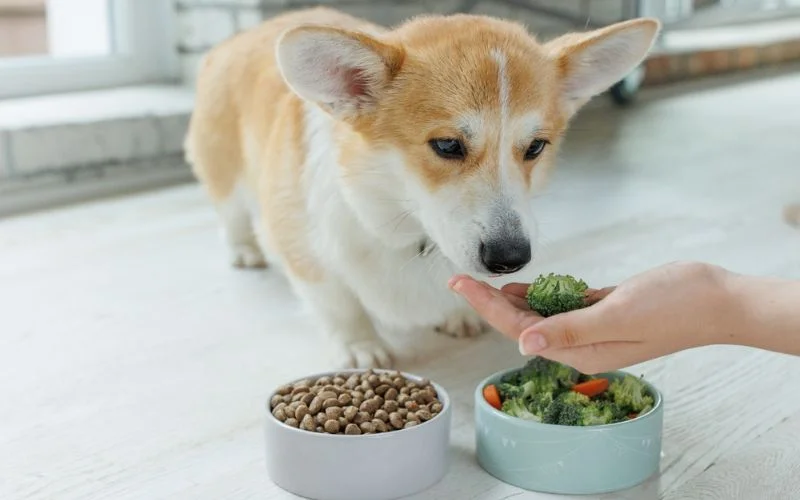
Feeding your puppy the right food is essential for their growth and development. With so many options available, it can be overwhelming to choose the best one. This article will discuss puppy food recommendations to help you make an informed decision.
One important factor to consider when selecting puppy food is the age of your furry friend. Puppies have different nutritional needs at various stages of their life. It is crucial to choose a food that is specifically formulated for puppies.
These foods are balanced with enough protein, fat, and carbohydrates to support their growth. When it comes to the ingredients, opt for high-quality protein sources such as chicken, beef, or fish.
Avoid foods that contain fillers or by-products, as they do not provide the necessary nutrients for your puppy. Look for foods that list meat as the first ingredient, and avoid those with artificial colors or preservatives.
Another aspect to consider is the size of your puppy. Small-breed puppies have different dietary requirements compared to large-breed puppies.
Small-breed puppies need food that is higher in calories to support their fast metabolism. In contrast, large-breed puppies require controlled calcium and phosphorus levels to promote proper bone development.
It is also important to feed your puppy the right amount of food. Follow the feeding guidelines on the packaging, but remember these are just general recommendations.
Monitor your puppy’s weight and adjust the portion accordingly. Overfeeding can lead to obesity, while underfeeding can result in malnutrition.
In conclusion, choosing the right food for your puppy is crucial for their health and well-being. Consider their age, size, and nutritional needs when making your decision.
Consult with your veterinarian for specific recommendations based on your puppy’s requirements. Remember, a healthy diet is the foundation for a happy and active puppy.
How Much Should I Feed My Puppy?

Feeding your puppy the right amount of food is crucial for their growth and development. As a responsible pet owner, it’s important to understand their nutritional needs and provide them with a balanced diet. So, how much should you feed your puppy?
The amount of food your puppy needs depends on various factors such as their age, breed, size, and activity level.
Puppies grow rapidly, and their nutritional requirements change as they age. It’s recommended to consult with your veterinarian to determine the appropriate feeding guidelines for your specific puppy.
In general, puppies should be fed multiple small meals throughout the day rather than one large meal. This helps them digest their food better and prevents overeating.
As a rule of thumb, puppies should eat about 25% of their body weight in food each day. However, it’s important to note that this is just a guideline, and individual puppies may have different needs.
When selecting a puppy food, look for a high-quality brand specifically formulated for puppies. These foods are designed to provide the right balance of nutrients for their growing bodies. Avoid feeding your puppy adult dog food as it may not meet their nutritional requirements.
Monitor your puppy’s body condition and adjust their food intake accordingly. If they are gaining too much weight, reduce the food you feed them. Conversely, you may need to increase their portion size if they are not gaining enough weight.
Remember always to provide fresh water for your puppy and avoid feeding them table scraps or human food. These can be harmful to their health and lead to nutritional imbalances.
In conclusion, feeding your puppy the right amount of food is essential for their overall health and well-being. By understanding their specific needs and following the guidelines provided by your veterinarian, you can ensure that your puppy grows into a happy and healthy adult dog.
How Often Should I Feed My Puppy?

Feeding your puppy the right amount of time is crucial for their growth and development. As a responsible pet owner, you may wonder, “How often should I feed my puppy?” Well, the answer depends on various factors such as their age, breed, and size.
During the first few weeks of their life, puppies rely on their mother’s milk for nutrition. As they grow older and start weaning, gradually introducing them to solid food is important.
Puppies between 6 to 12 weeks of age should be fed three to four times daily. This frequent feeding schedule ensures they receive the nutrients for rapid growth.
Once your puppy reaches 3 to 6 months, you can reduce the number of feedings to three times daily. Their digestive system is developing at this stage, and they can handle larger meals.
It’s important to monitor their weight and adjust the portion size to prevent overfeeding or underfeeding.
From 6 months to 1 year of age, you can further reduce the number of feedings to twice a day. Most puppies will reach adulthood during this period, and their growth rate slows. Providing them with balanced meals will support their overall health and prevent obesity.
You can transition your puppy to an adult dog feeding schedule after your puppy turns one year old. This typically involves feeding them once or twice daily, depending on their activity level and metabolism. Remember to choose a high-quality dog food that meets their nutritional needs.
In conclusion, the frequency of feeding your puppy depends on their age, breed, and size. A consistent feeding schedule and balanced meals will ensure healthy growth and development.
Consult your veterinarian for specific recommendations based on your puppy’s needs.
How to Transition Puppy to Adult Food?
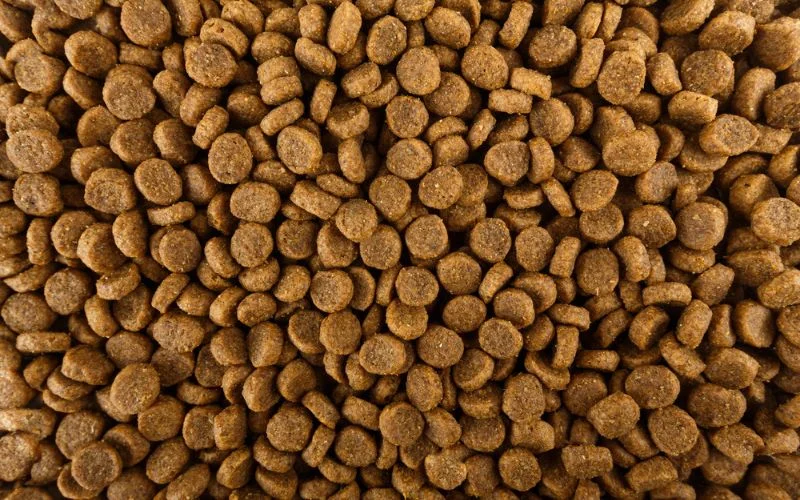
Transitioning your puppy from puppy food to adult food is an important process that requires careful consideration.
As your puppy grows, their nutritional needs change, and it’s crucial to provide them with the right balance of nutrients to support their development. Here are some tips on smoothly transitioning your puppy to adult food.
Firstly, it’s essential to start the transition gradually. Changing your puppy’s diet can lead to digestive upset, so it’s best to introduce the new food slowly.
Mix a small amount of the adult food with their current puppy food. Over a week, gradually increase the proportion of adult food while decreasing the amount of puppy food until your puppy is solely eating the adult food.
Monitoring your puppy’s weight during the transition is crucial. If you notice any sudden weight loss or gain, adjust the amount of food accordingly.
It’s important to consult your veterinarian to determine the appropriate portion size for your growing puppy.
Additionally, pay attention to your puppy’s stool during the transition. A sudden change in diet can cause loose stools or diarrhea. If this occurs, slow the transition process and give your puppy’s digestive system more time to adjust.
Remember to choose a high-quality adult dog food that meets the nutritional needs of your specific breed.
Look for a product that contains essential nutrients like protein, fats, carbohydrates, vitamins, and minerals. Consulting with your veterinarian can help you select the best food for your puppy’s needs.
In conclusion, transitioning your puppy to adult food requires patience and careful monitoring. You can ensure a smooth transition by gradually introducing the new food and monitoring your puppy’s weight and stool.
Remember to choose a high-quality adult dog food that meets your puppy’s nutritional needs.
What Ingredients Should I Look for in Puppy Food?
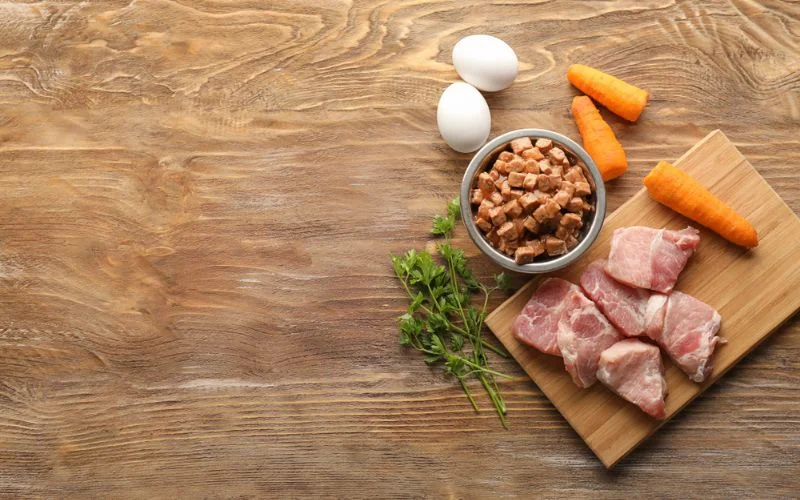
When choosing the right food for your puppy, it’s essential to prioritize their nutritional needs.
The ingredients in puppy food play a crucial role in their growth and development. To ensure your furry friend gets the best start in life, here are some key ingredients to consider when selecting puppy food.
High-quality protein: Protein is vital for your puppy’s muscle growth and overall development. Look for puppy food that lists a high-quality source of protein, such as chicken, beef, or fish, as the first ingredient. Avoid foods that contain meat by-products or fillers, as these may not provide the necessary nutrients.
Whole grains: Whole grains like brown rice and oats are a good source of carbohydrates and fiber. They provide energy and help support your puppy’s digestive system. Look for puppy food that includes whole grains rather than refined grains or excessive corn or wheat.
Fruits and vegetables: Including fruits and vegetables in your puppy’s diet can provide essential vitamins, minerals, and antioxidants. Look for puppy food containing sweet potatoes, carrots, blueberries, or spinach. These ingredients contribute to your puppy’s overall health and immune system.
Essential fatty acids: Omega-3 and omega-6 are crucial for your puppy’s brain development and healthy skin and coat. Look for puppy food that includes sources of these fatty acids, such as fish oil or flaxseed.
Probiotics: Probiotics are beneficial bacteria that support your puppy’s digestive health. Look for puppy food that includes probiotics like Lactobacillus acidophilus or Bifidobacterium animalis.
You can ensure your furry friend receives a well-balanced and nutritious diet by choosing puppy food with these essential ingredients. Remember to consult with your veterinarian to determine the specific nutritional needs of your puppy based on their breed, size, and age.
Should I Feed My Puppy Wet or Dry Food?

When it comes to feeding your puppy, one of the most common questions is whether to opt for wet or dry food. Both options have advantages and disadvantages, and it’s important to consider your puppy’s specific needs and preferences.
Wet food, also known as canned food, is often favored by puppy owners due to its higher moisture content. This can benefit puppies who may not drink enough water, as it helps keep them hydrated.
Additionally, wet food tends to have a stronger aroma and flavor, enticing picky eaters and encouraging them to eat. It also tends to be easier to chew, making it a good option for puppies with dental issues.
On the other hand, dry food, also known as kibble, offers its own set of benefits. It is more convenient and cost-effective, as it can be easily stored and has a longer shelf life.
Dry food also helps promote dental health, as chewing helps remove plaque and tartar buildup. It is also a more balanced option, as it contains all the necessary nutrients in the right proportions.
Choosing between wet and dry food depends on your puppy’s needs and preferences.
Some puppies may thrive on wet food, while others may prefer the crunchiness of dry food. It’s important to consult with your veterinarian to determine the best option for your puppy’s specific dietary requirements.
In conclusion, there is no one-size-fits-all answer to the wet versus dry food debate. Each option has advantages and disadvantages, and it’s important to consider your puppy’s needs and preferences.
By working closely with your veterinarian, you can ensure your puppy receives a balanced and nutritious diet that promotes overall health and well-being.
When Should I Switch to Adult Dog Food?

As a responsible dog owner, providing your furry friend with the proper nutrition at every stage of their life is important.
One common question many pet owners have is, “When should I switch to adult dog food?” The answer to this question depends on several factors, including your puppy’s breed, size, and overall health.
Most puppies can start transitioning to adult dog food between 12 and 18 months of age. However, it’s important to consult with your veterinarian to determine the best time for your specific pup.
They will consider factors such as the breed’s growth rate and any underlying health conditions affecting their dietary needs.
During the first year of a puppy’s life, its nutritional requirements differ from those of adult dogs. Puppy food is specially formulated to support their rapid growth and development.
It contains higher protein, fat, and essential nutrients that puppies need to thrive. As they approach adulthood, their growth rate slows, and their nutritional needs change.
Switching to adult dog food too early can deprive your puppy of the essential nutrients for proper development.
On the other hand, switching too late can lead to overfeeding and weight gain. Finding the right balance is essential to ensure your dog maintains a healthy weight and receives nutrients.
When making the transition, it’s important to do it gradually. Start by mixing a small amount of adult dog food with their puppy food, gradually increasing the proportion over a week or two. This gradual transition will help avoid any digestive upset that sudden changes in diet can cause.
Remember, every dog is unique, and their nutritional needs may vary. Always consult your veterinarian to determine the best time for your furry friend to switch to adult dog food. You can help ensure they lead a long, healthy, and happy life by providing the right nutrition.
Can I Give My Puppy Human Food?

As a responsible pet owner, it’s natural to want to share your food with your furry friend. However, when it comes to feeding your puppy, it’s important to understand that not all human foods are safe to consume.
While some human foods can be healthy and beneficial for puppies, others can be harmful and even toxic.
One NLP keyword commonly associated with puppy food recommendations is “safe foods for puppies.” Knowing which human foods are safe for your puppy to eat is crucial.
Some examples of safe foods include lean meats like chicken and turkey, fruits like apples and bananas, and vegetables like carrots and green beans.
These foods can provide essential nutrients and vitamins to your puppy’s health and well-being.
Another important keyword is “toxic foods for puppies.” Certain human foods can be extremely dangerous for your puppy and should be avoided at all costs.
Foods like chocolate, onions, garlic, grapes, and avocados can be toxic and potentially fatal to your furry friend. It’s crucial to keep these foods out of your puppy’s reach and ensure they don’t accidentally consume them.
It’s also important to note that while some human foods are safe for puppies, they should only be given in moderation.
Puppies have specific dietary needs, and their main source of nutrition should come from high-quality puppy food specifically formulated for their needs. Human food should never replace regular meals but can be given as an occasional treat or supplement.
In conclusion, while sharing your food with your puppy may be tempting, being cautious and knowledgeable about what is safe for them to eat is essential.
Stick to puppy-specific foods as the main source of nutrition and only offer human food as an occasional treat. By doing so, you can ensure that your puppy stays healthy and happy.
Conclusion
Regarding puppy food recommendations, there are several key points to consider. Throughout this post, we have covered important topics such as what to feed your puppy, how much to feed them, and how often to feed them.
We have also discussed transitioning your puppy to adult food and the ingredients to look for in puppy food.
One of the most important takeaways from this post is the significance of providing your puppy with a balanced and nutritious diet.
Puppies have specific dietary needs to support their growth and development, and choosing the right food is crucial in ensuring their overall health and well-being.
Additionally, we have explored the debate between wet and dry food for puppies. Both options have advantages, depending on your puppy’s needs and preferences.
However, it is important to note that you must always provide your puppy with fresh water, whichever option you choose.
As your puppy grows, it is important to transition them to adult dog food gradually. This process should be done slowly to avoid any digestive issues.
It is recommended to consult with your veterinarian for guidance on when and how to make this transition.
Lastly, we have briefly touched upon feeding puppies human food. While sharing your meals with your furry friend may be tempting, it is important to be cautious, as some human foods can harm dogs.
It is always best to stick to a well-balanced puppy food diet. There may be future developments and trends in puppy food recommendations.
As research continues to evolve, we may see advancements in puppy nutrition and the development of specialized diets to cater to specific breeds or health conditions.
Thank you for taking the time to read this post on puppy food recommendations. We hope you have found the information helpful in providing the best nutrition for your furry companion.
Please comment below if you have further questions or want to share your experiences. Your feedback is valuable to us.
