

Best Apartment Dogs: The Perfect Companion for Your Lifestyle
Living in an apartment doesn’t mean you can’t enjoy the company of a furry friend. Many dog breeds are well-suited to apartment living, thriving in smaller spaces and adapting to a more urban lifestyle.
Whether you’re a busy professional or prefer the convenience of apartment living, plenty of dogs can bring joy, companionship, and love into your life.
There are several factors to consider when finding the best apartment dogs. Size is an obvious consideration, as larger breeds may struggle with limited space.
However, it’s important to note that size alone doesn’t determine a dog’s suitability for apartment living. Energy level, temperament, and exercise needs are equally important factors.
One of the most popular apartment dog breeds is the French Bulldog. With their small size, low exercise requirements, and friendly nature, French Bulldogs are ideal companions for apartment dwellers.
Another excellent choice for apartment living is the Cavalier King Charles Spaniel. These charming little dogs are known for their friendly and adaptable nature.
They are content with moderate exercise and are often described as eager to please. Their small size and gentle temperament make them perfect for apartment living.
The Bichon Frise is an excellent option if you’re looking for a small and hypoallergenic dog. These fluffy white dogs are adorable, highly adaptable, and friendly. They thrive on human companionship and are known for their social and affectionate nature.
In conclusion, finding the best apartment dog involves considering various factors, including size, energy level, and temperament.
So, if you’re ready to welcome a furry friend into your apartment, consider these breeds and prepare for a lifetime of love and joy.
What are the best apartment dogs?
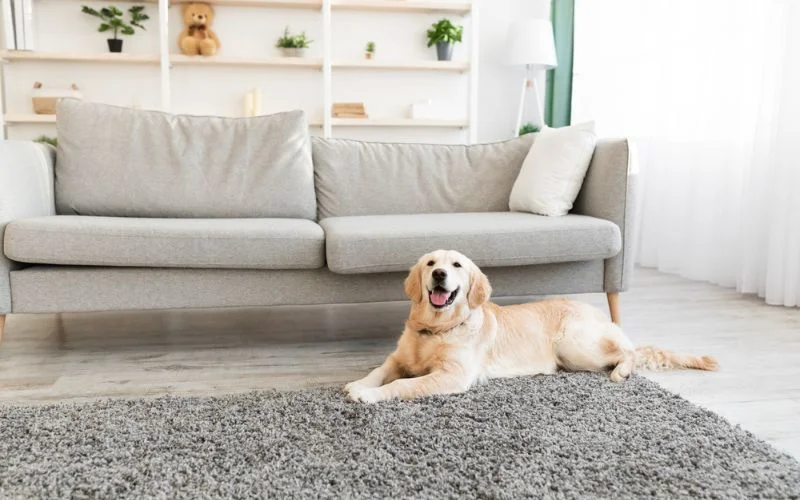
Apartment living can be a wonderful experience, but choosing a dog breed well-suited to this lifestyle is important.
These dogs are typically smaller, have lower energy levels, and are more adaptable to living in close quarters.
One of the best apartment dogs is the French Bulldog. Known for their friendly and easygoing nature, these dogs are great companions for apartment dwellers.
They don’t require a lot of exercise and are content with short walks and playtime indoors. Another popular choice is the Cavalier King Charles Spaniel.
These dogs are small, affectionate, and adapt well to apartment living. They are also known for their gentle and friendly disposition, making them great family pets.
The Greyhound is an excellent choice if you’re looking for a slightly larger breed. Despite their size, Greyhounds are surprisingly low-energy dogs known for their calm and gentle nature.
They are content with a daily walk and enjoy spending most of their time lounging around the house. Another larger breed that does well in apartments is the Basset Hound. These dogs are easygoing, low-energy, and are known for their love of lounging on the couch.
When it comes to apartment living, choosing a dog that fits your lifestyle is important. While these breeds are well-suited to apartment living, it’s important to remember that every dog is an individual and may have different needs and preferences.
Spending time with a dog before bringing it into your apartment is always a good idea to ensure it will fit your living situation well.
In conclusion, if you’re looking for the best apartment dogs, consider breeds like the French Bulldog, Cavalier King Charles Spaniel, Greyhound, and Basset Hound. These dogs are well-suited to apartment living and will make great companions for you and your family.
Are small dogs better for apartments?
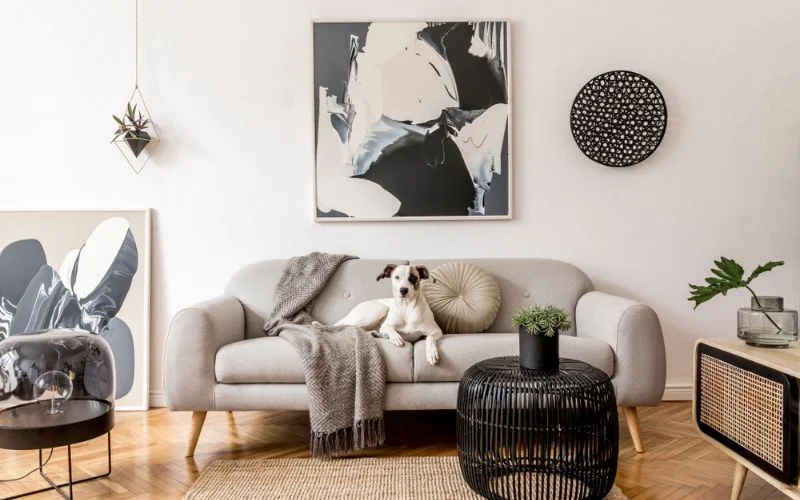
When choosing a dog for apartment living, many wonder if small dogs are better suited for this environment. While small dogs have some advantages, it ultimately depends on the individual dog and its needs.
One of the main benefits of small dogs in apartments is their size. They occupy less space, which can be a significant advantage in a smaller living area.
Small dogs are also generally easier to handle and control, especially in tight spaces such as elevators or staircases.
Additionally, their smaller size means they require less exercise than larger breeds, making them more manageable in an apartment setting.
However, it’s important to note that not all small dogs are well-suited for apartment living. Some small breeds are known for their high energy levels and may require more exercise and mental stimulation than others.
Researching and choosing a small breed that matches your lifestyle and living situation is crucial.
Another factor to consider is noise level. While small dogs may not have larger breeds’ deep, booming bark, they can still be quite vocal.
Some small breeds are prone to excessive barking, which can be problematic in an apartment complex where noise restrictions may apply.
Proper training and socialization are essential to prevent excessive barking and ensure a harmonious living environment for you and your neighbors.
Ultimately, the best dog for an apartment matches your lifestyle, regardless of size. It’s important to consider factors such as exercise needs, temperament, and adaptability when choosing a dog for apartment living.
Small dogs can be a great choice for apartments, but selecting the right breed and providing them with the necessary care and attention is crucial to thrive in a smaller space.
Are there any large breeds suitable for apartments?
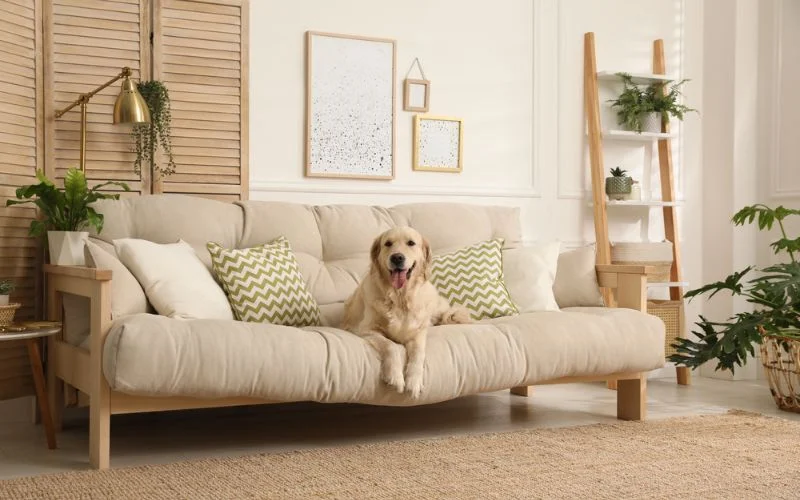
When finding the perfect apartment dog, size is often a major consideration. Due to limited space, many believe only small breeds are suitable for apartment living. However, several large species can thrive in an apartment setting.
One such breed is the Greyhound. Despite their size, Greyhounds are surprisingly low-energy dogs. They are known for their calm and gentle nature, making them ideal apartment companions. Additionally, Greyhounds are not prone to excessive barking, which is a bonus for apartment dwellers.
Another large breed that can adapt well to apartment living is the Bulldog. Bulldogs are known for their laid-back and easygoing personalities.
They are not overly active and are content with short walks and indoor playtime. Their small exercise requirements make them a good fit for apartment life.
The Basset Hound is another large breed that can thrive in an apartment. While they have a strong sense of smell and love to follow scents, Basset Hounds are generally low-energy and enjoy lounging around. They can be happy in an apartment if they get regular walks and mental stimulation.
The Great Dane can make a surprisingly good apartment dog despite its imposing size. They are known for their gentle and friendly nature and are generally calm and well-behaved indoors. Great Danes are not overly active and are happy with moderate exercise.
In conclusion, while small breeds are often considered more suitable for apartment living, several large species can adapt well to this lifestyle.
Greyhounds, Bulldogs, Basset Hounds, and Great Danes are all examples of large species that can thrive in apartments. With the right amount of exercise, mental stimulation, and love, these dogs can make wonderful companions for apartment dwellers.
Do apartment dogs require less exercise than other dogs?
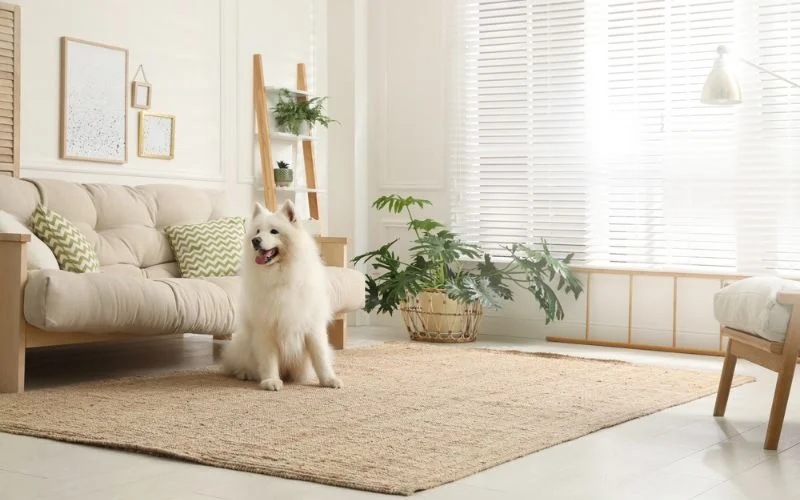
When choosing a dog suitable for apartment living, one of the most common questions is whether apartment dogs require less exercise than other dogs. The answer to this question can vary depending on the breed and individual dog, but there are some general considerations to remember.
Firstly, it’s important to note that all dogs need regular exercise to stay healthy and happy regardless of their living situation.
Training is not only essential for physical fitness but also for mental stimulation. Lack of exercise can lead to obesity, behavioral problems, and overall poor well-being.
Some dog breeds are better suited for apartment living and may require less exercise than others. These breeds tend to have lower energy levels and are generally more adaptable to living in smaller spaces. Such species include the Cavalier King Charles Spaniel, French Bulldog, and Shih Tzu.
However, it’s crucial to remember that even these breeds still need daily exercise to some extent. A short walk or playtime in the apartment can help meet their exercise needs. Additionally, mental stimulation through interactive toys and training sessions can be beneficial.
Ultimately, the exercise requirements of an apartment dog will depend on various factors, including the breed, age, and individual temperament. It’s essential to consider these factors when choosing a dog for apartment living and to provide them with the exercise they need to thrive.
In conclusion, while some dog breeds may require less exercise than others, all dogs, including apartment dogs, need regular exercise for their overall well-being.
It’s important to choose a species suitable for apartment living and provide them with the necessary training and mental stimulation to lead a happy and healthy life.
Which dog breeds are known for being quiet?

When living in an apartment, noise can be a major concern. A quiet dog can make all the difference in maintaining a peaceful living environment.
If you’re looking for a furry companion that won’t disturb your neighbors, consider these dog breeds known for being quiet.
Basenji: This breed is often called the “barkless dog” due to its unique vocalization. Instead of barking, Basenjis make a yodel-like sound, which is much quieter and less likely to disturb others.
Cavalier King Charles Spaniel: These gentle and affectionate dogs are known for their calm and quiet nature. They are not prone to excessive barking and are generally well-behaved in an apartment setting.
Greyhounds: Despite their size, Greyhounds are surprisingly quiet dogs. They are known for their calm and laid-back demeanor, making them well-suited for apartment living.
Bichon Frise: These small and fluffy dogs are adorable and quiet. They are not known for excessive barking and can adapt well to apartment life.
Shih Tzu: Shih Tzu is known for their friendly and gentle nature. They are generally quiet dogs and are unlikely to disturb your neighbors with excessive barking.
Pomeranian: While Pomeranians can be energetic, they are not typically noisy dogs. Proper training and socialization allow them to be well-behaved and quiet in an apartment setting.
Remember, every dog is unique, and individual personalities can vary. It’s important to consider each breed’s needs and temperament before deciding.
However, these dog breeds are generally known for their quiet nature, making them great choices for apartment living.
So, if you’re looking for a four-legged friend who won’t disrupt the peace in your apartment, consider one of these quiet dog breeds.
Are there any hypoallergenic dog breeds suitable for apartments?

Living in an apartment doesn’t mean you have to give up on the idea of having a furry companion. But for those who suffer from allergies, finding a hypoallergenic dog breed becomes crucial.
Hypoallergenic dogs are breeds that produce fewer allergens, making them a great choice for people with allergies. This article will explore some hypoallergenic dog breeds that are well-suited for apartment living.
One popular hypoallergenic dog breed is the Bichon Frise. Known for their friendly and affectionate nature, Bichon Frises are also hypoallergenic, as they have hair instead of fur.
Their hair grows continuously, similar to human hair, which reduces the amount of shedding and dander in the environment.
Another hypoallergenic breed suitable for apartments is the Shih Tzu. These small dogs are known for their long, flowing hair, which requires regular grooming to prevent matting. Shih Tzus are friendly and adaptable and great companions for apartment dwellers.
The Maltese is another hypoallergenic breed that thrives in apartment settings. These small dogs have a silky, hypoallergenic coat that requires regular grooming.
Maltese dogs are known for their playful and affectionate nature, making them a great choice for families living in apartments.
The Portuguese Water Dog is an excellent option if you prefer a slightly larger dog. These dogs have a curly, hypoallergenic coat that sheds minimally. They are intelligent, active, and adaptable, making them suitable for apartment living.
In conclusion, several hypoallergenic dog breeds are well-suited for apartment living. Whether you prefer a small or larger dog, options are available that will fit your lifestyle and accommodate your allergies. Consider these hypoallergenic breeds when searching for the perfect apartment dog.
Can apartment dogs be left alone for long periods?
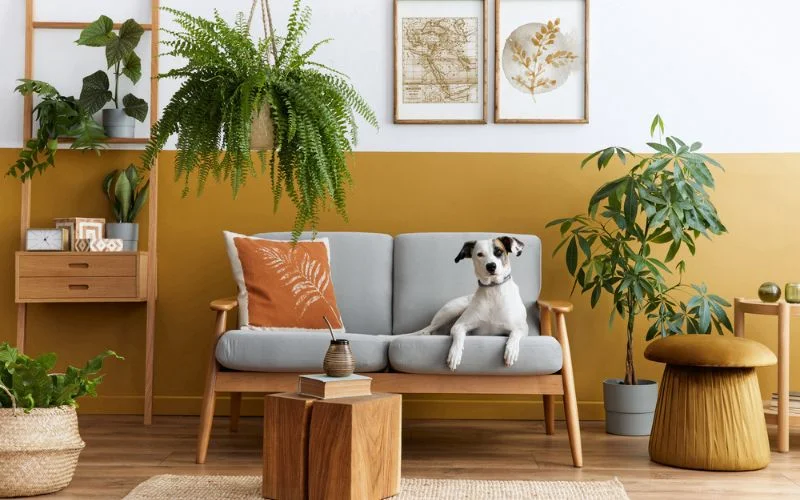
Living in an apartment can present unique challenges for dog owners, especially when leaving their furry friends alone for extended periods.
Many potential dog owners wonder if apartment dogs can be left alone for long hours. The answer to this question depends on various factors, including the dog’s breed, temperament, and training.
Certain dog breeds are better suited for apartment living and can tolerate being alone for longer periods.
Small breeds such as the French Bulldog, Cavalier King Charles Spaniel, and Shih Tzu are known to be more independent and can adapt well to spending time alone. These dogs are generally low-energy and do not require as much exercise or stimulation as larger breeds.
However, it is important to note that even the most independent apartment dogs still need regular exercise, mental stimulation, and social interaction.
Leaving a dog alone for too long can lead to boredom, anxiety, and destructive behavior. Apartment dog owners must provide their pets with outlets for physical and mental stimulation, such as toys, puzzles, and interactive games.
Additionally, proper training and socialization are key factors in ensuring that apartment dogs can handle being left alone.
Dogs that are well-trained and have positive experiences with being alone from an early age are more likely to be comfortable and content when their owners are away.
In conclusion, while some apartment dogs can handle being left alone for long periods, owners must consider their dog’s breed, temperament, and training.
Providing appropriate exercise, mental stimulation, and social interaction is crucial for the well-being of apartment dogs.
It is always recommended to consult with a veterinarian or professional dog trainer for personalized advice on how to meet the specific needs of your apartment dog.
Are there any specific breeds that are not recommended for apartments?

When it comes to finding the perfect dog for your apartment, there are plenty of factors to consider. While many breeds can thrive in smaller living spaces, a few may not fit best. Here, we will explore some species that may not be recommended for apartments.
One breed that may not be well-suited for apartment living is the Siberian Husky. Known for their high energy levels and need for ample exercise, Huskies may become restless and destructive in a confined space.
Without proper outlets for their energy, they may resort to destructive behaviors such as chewing furniture or excessive barking.
The Border Collie is another breed that may not be ideal for apartment living. These intelligent and active dogs require a lot of mental and physical stimulation.
Without enough space to run and play, they may become bored and exhibit undesirable behaviors such as excessive barking or digging.
Similarly, breeds like the Dalmatian and the Weimaraner are known for their high energy levels and may not do well in apartments. These breeds thrive in larger spaces where they can run freely and burn off their energy.
It’s important to note that every dog is an individual, and there may be exceptions to these generalizations. Some dogs of these breeds may adapt well to apartment living with enough exercise and mental stimulation.
In conclusion, while many breeds can thrive in apartments, certain breeds may not be the best fit due to their high energy levels and need for ample exercise. It’s important to consider your dog’s needs and provide the appropriate environment for their wellbeing.
Conclusion
Choosing the best apartment dog requires careful consideration of various factors. Throughout this post, we have explored several key topics related to finding the perfect canine companion for apartment living.
Firstly, we discussed the different breeds known to excel in apartment environments. From small species like Chihuahuas and Shih Tzus to larger species like Greyhounds and Great Danes, there is a wide range of options available for apartment dwellers.
We also touched upon the exercise requirements of apartment dogs. Contrary to popular belief, apartment dogs do not necessarily require less exercise than other dogs. Regular physical activity is essential for their overall well-being and helps prevent behavioral issues from pent-up energy.
For those with allergies, we explored the possibility of having a hypoallergenic dog breed in an apartment. While no dog is completely hypoallergenic, there are breeds like Poodles and Bichon Frises that produce fewer allergens and may be more suitable for allergy sufferers.
We also addressed the concern of leaving apartment dogs alone for extended periods. While all dogs require social interaction and mental stimulation, some breeds are more independent and can handle being alone for longer periods.
In conclusion, finding the best apartment dog involves considering the dog’s size, exercise needs, noise levels, hypoallergenic qualities, and temperament. Choosing a breed that fits well with your lifestyle and living situation is crucial.
As for future developments, we anticipate that the popularity of apartment living will continue to rise, leading to a greater demand for apartment-friendly dog breeds.
Thank you for taking the time to read this post. We hope the information provided has been helpful in your search for the best apartment dog. We would love to hear from you if you have any comments or feedback.