

Dog Food Allergies: Understanding the Hidden Culprits
Dog food allergies are a common concern among pet owners, yet they often go undiagnosed or misinterpreted. A responsible dog owner must know the signs, causes, and possible solutions for this condition.
In this article, we will delve into the world of dog food allergies, exploring the intricacies of this often perplexing issue.
Regarding dog food allergies, the symptoms can be diverse and misleading. Your furry companion may exhibit itching, gastrointestinal upset, or chronic ear infections. These symptoms can easily be mistaken for other health issues, making it essential to understand the underlying cause.
The causes of dog food allergies can vary greatly. While some dogs may be genetically predisposed to developing allergies, others may develop sensitivities over time.
Common allergens in dog food include beef, dairy, chicken, wheat, and soy. Identifying the specific allergen can be challenging, requiring patience and careful observation.
Finding the right solution for your dog’s food allergies can be a trial-and-error process. Switching to a hypoallergenic diet or a limited-ingredient diet may be recommended by your veterinarian.
Additionally, homemade dog food recipes or commercial options specifically formulated for dogs with allergies can provide relief. It is essential to work closely with your veterinarian to determine the best course of action for your furry friend.
This article will explore various aspects of dog food allergies, including diagnosis, treatment options, and preventative measures. By understanding the intricacies of this condition, you will be better equipped to provide the best possible care for your beloved pet.
So, join us as we embark on a journey through the world of dog food allergies, unraveling the mysteries and finding solutions.
What Are the Common Symptoms of Dog Food Allergies?

Dog food allergies can be a common issue among our furry friends. Just like humans, dogs can develop allergies to certain foods, causing a range of symptoms that can be uncomfortable and distressing for them.
Dog owners must be aware of the common symptoms of dog food allergies to take appropriate action and provide their pets with the necessary care.
One of the most common symptoms of dog food allergies is itching and scratching. Dogs with food allergies may constantly scratch themselves, bite at their skin, or rub against furniture to relieve the itchiness. This can lead to red, inflamed skin and even the development of hot spots.
Another symptom to watch out for is gastrointestinal issues. Dogs with food allergies may experience diarrhea, vomiting, or excessive gas. These symptoms can be particularly distressing for dogs and lead to dehydration and discomfort.
In some cases, dog food allergies can also manifest as ear infections. Dogs with food allergies may develop red, itchy ears and shake their heads or scratch at their ears. If left untreated, these ear infections can become chronic and cause further discomfort for the dog.
Other symptoms of dog food allergies can include respiratory issues such as coughing or sneezing, as well as swollen paws or hives on the skin. It’s important to note that these symptoms can vary from dog to dog, and some dogs may display only a few of these symptoms while others may exhibit several.
If you suspect that your dog may have a food allergy, it’s important to consult with your veterinarian. They can help you identify the specific allergen and recommend a suitable diet for your dog.
Remember, early detection and proper management of dog food allergies can greatly improve the quality of life for your furry friend.
What Ingredients Are Most Likely to Cause Allergies?
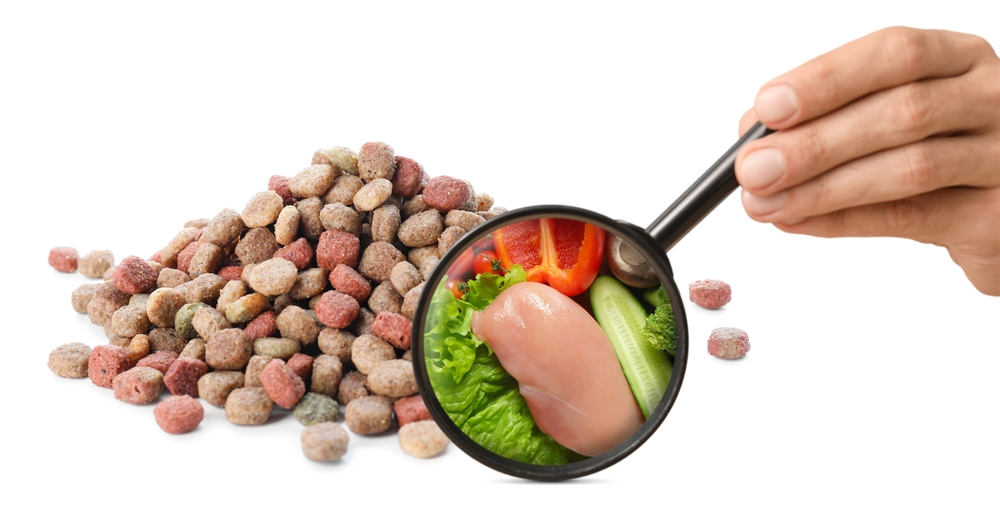
Regarding dog food allergies, certain ingredients are more likely to cause a reaction in our furry friends. Understanding these ingredients can help pet owners choose what to feed their dogs.
One common allergen is grains, such as wheat, corn, and soy. These ingredients are often used as fillers in dog food and can cause digestive issues and skin irritations in some dogs. While not all dogs are allergic to grains, it is a good idea to consider grain-free options if your dog has a sensitive stomach or skin.
Another culprit is protein sources like beef, chicken, and dairy. These ingredients are essential for a dog’s diet, but some dogs may develop allergies. Symptoms of protein allergies can include itching, diarrhea, and vomiting. If you suspect your dog is allergic to a specific protein source, you may need to switch to a different protein, such as fish or lamb.
Artificial additives and preservatives are also known to cause allergies in dogs. These can include artificial colors, flavors, and chemical preservatives like BHA and BHT. Opting for natural dog food options free from these additives can help reduce the risk of allergic reactions.
It’s important to note that every dog is unique, and what may cause an allergy in one dog may not affect another. If you suspect your dog has a food allergy, it’s best to consult with your veterinarian.
They can help you identify the specific ingredient causing the reaction and recommend a suitable diet for your dog.
In conclusion, being aware of the ingredients that are most likely to cause dog allergies can help pet owners choose the right food for their furry friends.
By avoiding common allergens like grains, certain proteins, and artificial additives, you can help keep your dog healthy and allergy-free.
Can Dogs Develop Allergies to Their Current Food?

Dog food allergies are a common concern among pet owners. Many dog owners wonder if their furry friends can develop allergies to the food they have been eating for a long time. The answer is yes; dogs can develop allergies to their current food.
Food allergies in dogs occur when their immune system reacts to certain ingredients in their food. Common allergens include beef, chicken, dairy, wheat, and soy. Dogs may develop an allergy to their current food if they have been exposed to these ingredients for a prolonged period.
Symptoms of food allergies in dogs can vary and may include itching, skin rashes, gastrointestinal issues, and ear infections. If you notice any of these symptoms in your dog, it is important to consult with a veterinarian to determine the cause and provide appropriate treatment.
It is worth noting that dogs can develop allergies to any food at anytime, even if they have been eating it for years without any issues. This is known as an acquired food allergy. The immune system can become sensitized to certain ingredients over time, leading to an allergic reaction.
To diagnose a food allergy, your veterinarian may recommend an elimination diet. This involves feeding your dog a novel protein and carbohydrate source for some time and gradually reintroducing different ingredients to identify the allergen.
If your dog is diagnosed with a food allergy, it is best to avoid feeding them the allergenic ingredient. There are many hypoallergenic dog food options available that are formulated with alternative protein and carbohydrate sources to minimize the risk of allergies.
In conclusion, dogs can develop allergies to their current food, even if they have been eating it for a long time. If you suspect that your dog has a food allergy, it is important to consult with a veterinarian for proper diagnosis and treatment.
How Can I Determine if My Dog Has a Food Allergy?

Food allergies in dogs can be a cause of concern for pet owners. Identifying the signs and symptoms of a food allergy in your furry friend is essential. By paying close attention to their behavior and monitoring their diet, you can determine if your dog has a food allergy.
One common sign of a food allergy in dogs is skin-related issues. If your dog frequently scratches, licks, or bites their skin, it could indicate an allergic reaction. Other symptoms may include redness, rashes, or hot spots on their skin. Additionally, gastrointestinal issues like vomiting, diarrhea, or excessive gas can indicate a food allergy.
You can try an elimination diet to determine if your dog has a food allergy. This involves removing certain ingredients from their diet and reintroducing them individually to identify the culprit.
Start by feeding your dog a limited-ingredient diet consisting of a novel protein source and a carbohydrate they have not been exposed to before.
Monitor their symptoms closely during this time. You can gradually reintroduce different ingredients to pinpoint the specific allergen if their symptoms improve.
Another option is to consult with a veterinarian who can perform allergy testing. This can be done through blood tests or intradermal skin testing. These tests can help identify specific allergens that may be causing the allergic reactions in your dog.
Remember, it is crucial to consult with a veterinarian before making significant changes to your dog’s diet or attempting an elimination diet. They can provide guidance and ensure your dog receives the necessary nutrition during the process.
You can determine if your dog has a food allergy by being attentive to your dog’s behavior, monitoring its diet, and seeking professional advice. Identifying and managing food allergies can improve your dog’s quality of life and overall well-being.
What Should I Do if My Dog Has a Food Allergy?
Food allergies in dogs can be a frustrating and challenging issue to deal with. If you suspect that your furry friend is suffering from a food allergy, there are a few steps you can take to help alleviate their discomfort.
First and foremost, it’s important to identify the specific ingredient or ingredients causing the allergic reaction.
This can be done through an elimination diet, where you gradually remove certain foods from your dog’s diet to see if their symptoms improve. Remember that it may take several weeks to notice any changes, so patience is key.
Once you have identified the allergen, eliminating it from your dog’s diet is the next step. This means carefully reading ingredient labels and avoiding food containing the allergen. Many hypoallergenic dog food options can help provide a balanced diet without triggering an allergic reaction.
In addition to changing their diet, you may also want to consider consulting with a veterinarian. They can guide and recommend appropriate treatment options for your dog’s needs. This may include medications to manage symptoms or further allergy testing to pinpoint the allergen.
It’s important to note that while food allergies can cause discomfort for your dog, they are usually not life-threatening. However, it’s still crucial to address the issue to ensure your furry friend’s overall well-being and quality of life.
In conclusion, if you suspect your dog has a food allergy, taking the necessary steps to identify and eliminate the allergen from their diet is important.
Consulting with a veterinarian can provide additional support and guidance throughout the process. Remember, your dog’s health and happiness are worth the effort.
Are There Special Diets for Dogs with Food Allergies?

Finding the right diet for your furry friend can be challenging regarding dog food allergies. Like humans, dogs can develop allergies to certain foods, causing uncomfortable symptoms.
But fear not; there are special diets available that can help alleviate these issues and keep your pup healthy and happy.
One common diet for dogs with food allergies is a limited-ingredient diet. These diets are formulated with minimal ingredients, making identifying and avoiding potential allergens easier. They typically contain a single source of protein, such as duck or salmon, and a limited number of carbohydrates.
By eliminating common allergens like beef, chicken, and grains, these diets can help reduce the risk of allergic reactions.
Another option for dogs with food allergies is a novel protein diet. This diet type uses proteins your dog hasn’t been exposed to, such as venison or rabbit. Introducing novel proteins can minimize the chances of an allergic reaction.
These diets often come in the form of dry kibble, canned food, or even freeze-dried options, providing a variety of choices to suit your dog’s preferences.
Some dogs with food allergies may also benefit from a hydrolyzed protein diet. These diets use proteins broken down into smaller components, making them less likely to trigger an allergic response. While these diets may not be as palatable as others, they can be a lifesaver for dogs with severe allergies.
In conclusion, if your dog is suffering from food allergies, there are special diets available that can help. Finding the right option for your furry friend is essential, whether it’s a limited-redient diet, a novel protein diet, or a hydrolyzed protein diet. Consult your veterinarian to determine the best diet for your dog’s needs.
Can Dog Food Allergies Be Cured?
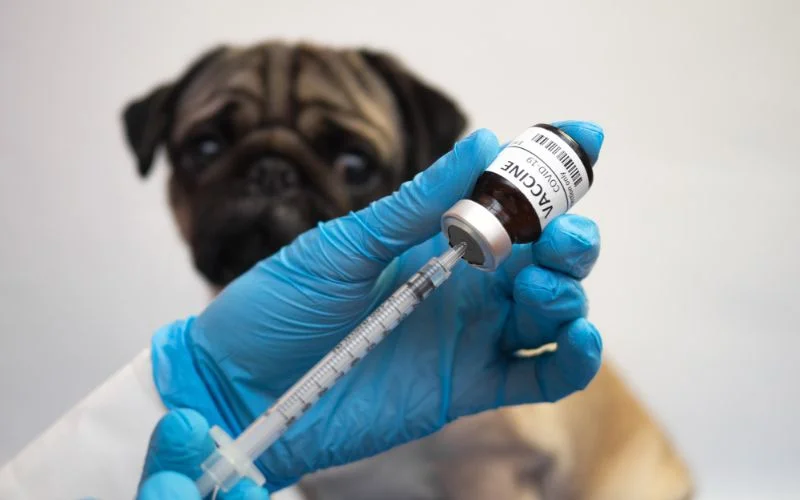
Dog food allergies are a common concern among pet owners. Many dogs suffer from allergies to certain ingredients in their food, causing uncomfortable symptoms and distress. But can these allergies be cured? Let’s explore this question further.
Firstly, it’s important to understand that dog food allergies cannot be completely cured. However, they can be managed effectively. The key is identifying the specific ingredients causing the allergic reaction and eliminating them from the dog’s diet. This process may require trial and error, as dogs may have different sensitivities.
One way to identify food allergies is through an elimination diet. This involves feeding the dog a limited-ingredient diet of novel proteins and carbohydrates they have not been exposed to before. Gradually reintroducing different ingredients makes pinpointing the allergen and removing it from the dog’s diet easier.
Another approach is to switch to a hypoallergenic dog food. These special formulas are made with hydrolyzed proteins, broken down into smaller molecules less likely to trigger an allergic response. They are also formulated to be highly digestible, reducing the risk of gastrointestinal issues.
Supplements such as omega-3 fatty acids and probiotics can also help manage dog food allergies. Omega-3 fatty acids have anti-inflammatory properties that can alleviate skin and coat issues, while probiotics promote a healthy gut and immune system.
While dog food allergies cannot be cured, with proper management and a tailored diet, dogs can live a comfortable and symptom-free life. Pet owners must work closely with their veterinarian to develop a suitable diet plan and monitor their dog’s progress.
In conclusion, while dog food allergies cannot be cured, they can be effectively managed through elimination diets, hypoallergenic food, and supplements.
By identifying and eliminating the allergen from the dog’s diet, pet owners can ensure their furry friends live a happy and healthy life.
How Can I Prevent Dog Food Allergies?

If you have a dog with food allergies, you know how challenging it can be to find the right diet. Food allergies in dogs can cause various symptoms, including itching, gastrointestinal upset, and skin infections. However, there are steps you can take to prevent dog food allergies and keep your furry friend healthy and happy.
One of the most effective ways to prevent dog food allergies is to identify the specific ingredients that trigger an allergic reaction in your pet. Common allergens for dogs include beef, chicken, dairy, wheat, and soy.
By carefully reading the labels of commercial dog foods and avoiding these ingredients, you can significantly reduce the risk of an allergic reaction.
Another option is to prepare homemade meals for your dog. This gives you full control over the ingredients and ensures your dog is not exposed to any potential allergens.
Consult a veterinarian or a canine nutritionist to create a balanced and nutritious homemade diet that meets your dog’s dietary needs.
Rotating your dog’s diet can also help prevent food allergies. Regularly switching between different brands or flavors of dog food can reduce the likelihood of your dog developing an allergy to a specific ingredient. This approach exposes your dog to a wider variety of ingredients and reduces the chance of sensitization.
Lastly, consider feeding your dog hypoallergenic or limited-ingredient diets. These specialized dog foods are formulated to minimize the risk of allergic reactions. They typically contain novel protein sources and limited ingredients, making them less likely to trigger allergies.
By implementing these preventive measures, you can reduce the risk of dog food allergies and ensure your furry friend stays healthy and happy. Remember to consult your veterinarian for personalized advice based on your dog’s needs.
In conclusion, dog food allergies are a common issue that many pet owners face. Understanding the symptoms and causes of these allergies is crucial in providing the best care for our furry friends.
Throughout this post, we have covered various topics related to dog food allergies, including common symptoms, allergenic ingredients, diagnosing and treating food allergies, special diets, prevention, and potential future developments.
One of the key takeaways from this post is recognizing the common symptoms of dog food allergies. These can include skin irritations, digestive issues, and even behavioral changes. By being aware of these signs, pet owners can take the necessary steps to address the problem promptly.
We have also discussed the ingredients most likely to cause dog allergies. Proteins such as beef, chicken, and dairy are often the culprits. By carefully reading and understanding the ingredient labels of dog food, pet owners can make informed choices and avoid triggering their dog’s allergies.
Determining if your dog has a food allergy can be a challenging process. However, we have guided how to do it, including elimination diets and allergy testing. It is essential to consult a veterinarian to ensure an accurate diagnosis and appropriate treatment plan.
Treating dog food allergies often involves switching to a hypoallergenic diet or homemade meals. We have discussed the importance of consulting with a veterinarian or veterinary nutritionist to ensure a balanced and nutritious diet for your dog.
While there is no cure for dog food allergies, managing them through proper diet and lifestyle changes can greatly improve a dog’s quality of life. Additionally, we have mentioned potential future developments, such as advancements in hypoallergenic dog food options and allergy testing methods.
conclusion
We thank you for taking the time to read this post. We hope the information has helped you understand dog food allergies and how to best care for your pet.
We encourage you to leave any comments or feedback and share your experiences with dog food allergies. Together, we can continue to learn and improve the well-being of our furry companions.
