

Variety is the Spice of Life: A Key to Your Dog’s Health
When it comes to our furry companions, there is no denying the joy they bring to our lives. Our dogs are more than just pets; they are family members who deserve the best care and attention. And one crucial aspect of their well-being that often goes overlooked is the importance of variety in their lives. Just like humans, dogs thrive on diversity and stimulation, and this variety truly spices up their lives and promotes their overall health.
From their diet to their exercise routine, dogs benefit immensely from diverse experiences. Let’s start with their food. While it may be convenient to stick to a single type of kibble or canned food, offering various options can greatly enhance their nutritional intake. Just like humans, dogs need a balanced diet that includes a mix of proteins, carbohydrates, and fats. By incorporating different types of meats, vegetables, and grains into their meals, we can ensure they receive a wide range of essential nutrients.
But variety is not just limited to their food. Dogs also thrive on mental and physical stimulation. Just like us, they can get bored with the same old routine day after day. We can keep their minds sharp and engaged by introducing new toys, puzzles, and games. Taking them on different routes during walks, exploring new parks or trails, and teaching them to other dogs can give them the socialization and excitement they crave.
Why should I give my dog a variety of foods?

When it comes to the health and well-being of our furry friends, providing them with a variety of foods is key. Just like humans, dogs can benefit greatly from a diverse diet. Type is often considered the spice of life, which also holds for our canine companions.
One of the main reasons why it’s important to give your dog a variety of foods is to ensure they receive a wide range of nutrients. Different foods contain different vitamins, minerals, and other essential nutrients for your dog’s overall health. By offering a variety of foods, you can help prevent nutrient deficiencies and promote optimal health.
Another reason to vary your dog’s diet is to prevent food allergies and sensitivities. Feeding your dog the same food day in and day out can increase the likelihood of developing allergies or intolerances to certain ingredients. Introducing different foods can reduce your dog’s risk of developing allergies and keep their immune system strong.
Variety in your dog’s diet can also help prevent boredom and encourage them to eat. Dogs, like humans, can get tired of eating the same thing every day. By offering different flavors and textures, you can keep mealtime exciting for your furry friend and ensure they get the nutrition they need.
In conclusion, providing your dog with various foods is essential for their health and well-being. A diverse diet is key, from ensuring they receive a wide range of nutrients to preventing allergies and keeping them engaged during mealtime. So, next time you’re shopping for your pup’s food, consider adding variety to their bowl and watch them thrive!
What are the benefits of feeding my dog a variety of foods?
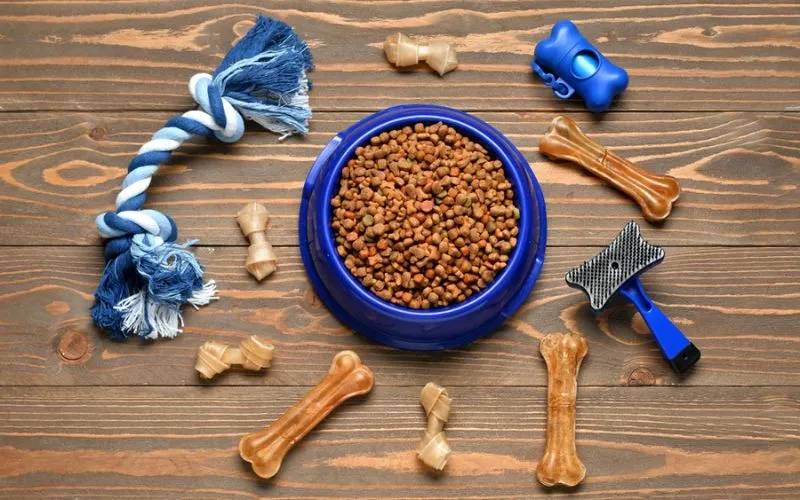
Feeding your dog various foods can benefit their overall health and well-being. Like humans, dogs thrive on a diverse diet that provides multiple nutrients and flavors. This article will explore the advantages of incorporating variety into your dog’s meals.
One of the key benefits of feeding your dog a variety of foods is that it helps prevent nutritional deficiencies. Different foods contain different vitamins, minerals, and antioxidants, and by offering your dog a mix of ingredients, you ensure they receive a balanced and complete diet. This can affect their immune system, energy levels, and overall vitality.
Variety in your dog’s diet can also help prevent picky eating habits. Dogs can quickly become bored with the same food day after day, leading to a loss of appetite and potential nutrient deficiencies. Introducing new flavors and textures regularly keeps your dog interested in their meals and reduces the risk of them becoming fussy.
Furthermore, a varied diet can support your dog’s digestive health. Certain foods can be easier to digest for some dogs, while others may provide more fiber or help regulate bowel movements. You can cater to your dog’s needs and promote a healthy gut by offering a range of foods.
Incorporating variety into your dog’s diet can also be mentally stimulating. Dogs, like humans, enjoy experiencing different tastes and textures. It can enrich them and prevent boredom, leading to a happier and more contented pet.
In conclusion, feeding your dog various foods offers numerous benefits, including preventing nutritional deficiencies, reducing picky eating habits, supporting digestive health, and providing mental stimulation. By submitting diverse ingredients, you can ensure your dog receives the nutrients they need while keeping mealtime exciting and enjoyable.
Can I switch my dog’s food too often?

Switching your dog’s food can be a topic of concern for many pet owners. You may wonder if changing your dog’s diet frequently is beneficial or can negatively affect their health. The answer to this question lies in understanding the importance of variety in your dog’s diet and how it can contribute to their overall well-being.
Variety is the spice of life, which also holds for our furry friends. Just like humans, dogs need a diverse range of nutrients to thrive. By providing them with different types of food, you ensure that they receive a balanced diet that meets all their nutritional needs. This can help prevent deficiencies and promote optimal health.
Switching your dog’s food regularly can prevent them from developing allergies or sensitivities. By exposing them to a variety of ingredients, you reduce the risk of their immune system becoming overly sensitive to certain foods. This can be especially important for dogs with known allergies or sensitivities.
To ensure your dog’s health and well-being, consult your veterinarian before significantly changing its diet. They can provide guidance based on your dog’s specific needs and help you create a meal plan that incorporates variety while maintaining their digestive health.
In conclusion, variety is the spice of life regarding your dog’s diet. You can promote their overall health and well-being by offering them diverse foods. However, it is essential to introduce new foods gradually and seek professional advice to ensure a smooth transition and avoid any digestive issues. Remember, a happy and healthy dog starts with a balanced and varied diet.
What are some examples of different dog food varieties?

When it comes to keeping your furry friend happy and healthy, variety is the spice of life. Like humans, dogs thrive on a diverse diet that provides various nutrients. But with so many options available, choosing the right dog food for your pet can be overwhelming. In this article, we will explore some examples of different dog food varieties to help you make an informed decision.
One popular type of dog food is kibble. This dry food is convenient and easy to store, making it a favorite among pet owners. Kibble is available in various flavors, such as chicken, beef, and fish, providing your dog with different tastes to enjoy.
Another option is wet dog food, which comes in cans or pouches. Wet food is often more palatable for dogs who are picky eaters or have dental issues. It also contains a higher moisture content, which can help keep your dog hydrated.
Frozen and freeze-dried options are available if you prefer to feed your dog a raw diet. These diets mimic a dog’s natural diet in the wild and are made from high-quality ingredients. Raw food diets can provide dogs with various health benefits, including improved digestion and a shinier coat.
There are also specialized dog food varieties for dogs with specific dietary needs. These include grain-free options for dogs with allergies or sensitivities and weight management formulas for dogs who need to shed a few pounds.
In conclusion, there are many different dog food varieties, each offering unique benefits. Providing your dog with a diverse diet ensures they receive all the nutrients they need for optimal health. Consult your veterinarian to determine the best diet for your furry friend.
How can a variety of foods improve my dog’s health?

As a dog owner, you want the best for your furry friend. Providing a variety of foods is not only a great way to keep your dog excited about mealtime, but it can also have significant health benefits. Like humans, dogs require a balanced diet to thrive; introducing different foods can help achieve this balance.
One of the main advantages of offering a variety of foods to your dog is that it ensures they receive a wide range of nutrients. Each type of food contains different vitamins, minerals, and antioxidants essential for your dog’s overall well-being. By rotating between other options, you can ensure your dog gets all the nutrients necessary for optimal health.
Another benefit of varying your dog’s diet is that it can help prevent food allergies and sensitivities. Dogs, like humans, can develop allergies or intolerances to certain ingredients. By exposing your dog to a variety of foods, you reduce the risk of them developing an adverse reaction to a specific element. This can help prevent digestive issues, skin problems, and other allergic reactions.
Furthermore, offering a variety of foods can also improve your dog’s mental and emotional well-being. Like humans, dogs can get bored with the same food daily. Introducing new flavors and textures keeps mealtime interesting and exciting for your dog. This can help stimulate their senses and prevent them from disinterested in their meals.
In conclusion, providing a variety of foods for your dog benefits their health and adds excitement to their daily routine. You can promote their overall well-being by ensuring a balanced diet with a wide range of nutrients. So, why not spice up your dog’s life and improve their health by offering them a diverse range of delicious foods?
Is it safe to give my dog different types of treats?

When treating our furry friends, it’s only natural to want to provide them with various tasty snacks. After all, variety is the spice of life, which also applies to our dogs! But is it safe to give our dogs different types of treats? Let’s explore this question further.
The answer is yes; giving your dog different treats is generally safe. Providing your dog with a diverse range of treats can have several benefits for its health. Just like humans, dogs need a balanced diet to thrive, and incorporating a variety of goodies can help achieve that balance.
You can ensure your dog receives a wide range of nutrients by offering different treats. For example, some charms may be high in protein, while others may be rich in vitamins and minerals. This variety can help support your dog’s overall health and well-being.
Additionally, giving your dog different types of treats can prevent them from getting bored with their snacks. Dogs, like humans, can grow tired of eating the same thing day after day. Introducing new flavors and textures lets you keep their taste buds excited and their mealtime enjoyable.
However, it’s important to note that not all treats are created equal. Some treats may be more suitable for certain dogs based on age, size, and dietary needs. It’s always a good idea to consult your veterinarian to determine which treats best fit your furry friend.
In conclusion, providing your dog with various treats can be safe and beneficial for their health. Remember to choose treats appropriate for your dog’s needs and consult your vet if you have any concerns. So spice up your dog’s life with various tasty treats!
What should I consider when introducing new foods to my dog?

Introducing new foods to your dog can be an exciting and beneficial experience. Variety is the spice of life, even for our furry friends. However, it’s important to consider a few key factors when introducing new foods to ensure your dog’s health and well-being.
First and foremost, it’s essential to consult with your veterinarian before changing your dog’s diet. They can provide valuable guidance and ensure the new foods you introduce are safe and suitable for your dog’s needs. Your vet may also be able to recommend certain foods that can address any particular health concerns your dog may have.
When introducing new foods, it’s important to do so gradually. Sudden changes in diet can upset your dog’s stomach and lead to digestive issues. Start by mixing a small amount of the new food with their regular food and gradually increase the proportion over several days. This will give your dog’s digestive system time to adjust and minimize the risk of any adverse reactions.
It’s also crucial to consider the nutritional value of the new foods you plan to introduce. Ensure they provide a balanced diet and meet your dog’s dietary requirements. Look for high-quality ingredients and avoid foods high in fillers, artificial additives, or preservatives. Natural and organic options are often a healthier choice for your dog.
Lastly, pay attention to your dog’s response to the new foods. Monitor their behavior, energy levels, and overall well-being. If you notice any negative reactions, such as vomiting, diarrhea, or allergic symptoms, immediately discontinue the new food and consult your veterinarian.
Remember, variety is indeed the spice of life, but it’s essential to introduce new foods to your dog carefully and carefully. Following these guidelines and working closely with your veterinarian ensures your dog enjoys a diverse and healthy diet.
Are there any risks associated with feeding my dog a variety of foods?

Feeding your dog a variety of foods can indeed be beneficial for their overall health and well-being. However, it is important to be aware of the potential risks of introducing different types of food into their diet.
One of the main risks is digestive upset. Dogs have sensitive stomachs, and sudden changes in their diet can lead to gastrointestinal issues such as diarrhea or vomiting. To minimize this risk, it is recommended to introduce new foods and monitor your dog’s reaction gradually. If you notice any digestive issues, it may be best to stick to a more consistent diet.
Another risk is nutritional imbalance. While variety can provide a range of nutrients, ensuring your dog is still receiving a balanced diet is important. Each food should be carefully selected to meet their specific nutritional needs. Consult your veterinarian to determine the appropriate balance of proteins, carbohydrates, fats, vitamins, and minerals for your dog’s breed, age, and activity level.
Food allergies and sensitivities are also a concern when introducing new foods. Some dogs may have allergies or intolerances to certain ingredients, such as grains or specific proteins. If you notice any signs of an allergic reaction, such as itching, redness, or gastrointestinal distress, it is important to identify and eliminate the problematic food from your diet.
In conclusion, while feeding your dog various foods can be beneficial, it is important to do so cautiously. Gradual introductions, monitoring for digestive issues, ensuring a balanced diet, and being aware of potential allergies or sensitivities are all important factors to consider. By taking these precautions, you can provide your dog with a diverse and nutritious diet while minimizing the risks associated with variety.
Conclusion
Variety is the spice of life regarding your dog’s health. Throughout this post, we have explored the importance of giving your dog various foods and the numerous benefits it can bring.
Providing your dog with various foods ensures they receive a wide range of essential nutrients. This can help support their overall health and well-being, from promoting a healthy coat and skin to boosting their immune system.
While offering your dog different food varieties is important, it is equally important to do so in moderation. Switching their food too often can cause digestive issues, so making gradual transitions and monitoring their response is best.
There are many options when it comes to different dog food varieties. From dry kibble to wet food, homemade meals to raw diets, there is something to suit every dog’s preferences and dietary needs. It is important to consult with your veterinarian to determine the best options for your furry friend.
Introducing a variety of foods can greatly improve your dog’s health. It can prevent them from becoming picky eaters and help prevent allergies or sensitivities from developing. Additionally, it can provide mental stimulation and avoid boredom, which is especially important for active and intelligent breeds.
When introducing new foods or treats to your dog, it is crucial to do so gradually. This will allow their digestive system to adjust and minimize the risk of any adverse reactions. Always monitor their response and consult your vet if you have any concerns.
Thank you for taking the time to read this post. We hope you have found it informative and helpful. Please comment below if you have any questions or want to share your experiences. Your feedback is valuable to us. Remember, variety is the spice of life for your dog’s health.
