

Why do Dogs Eat Grass: Should I be Worried?
First and foremost, it’s important to understand that dogs are natural scavengers. They have a keen sense of smell and are constantly exploring their environment. Eating grass is just one way to satisfy their curiosity and engage with the world around them. It’s common to see dogs sniffing and nibbling at various plants, including grass.
One theory suggests that dogs eat grass to alleviate digestive discomfort. When they have an upset stomach or are experiencing indigestion, they may instinctively turn to grass as a natural remedy. The rough texture of the grass can help stimulate vomiting, which in turn may help them feel better.
Another possible explanation is that dogs enjoy the taste and texture of grass. Some dogs find the act of chewing on the grass to be satisfying and pleasurable. It’s similar to how humans may enjoy chewing gum or snacking on certain foods for sensory experience.
So, should you be worried if your dog eats grass? In most cases, the answer is no. Eating grass is generally harmless and can be considered normal dog behavior. However, there are a few instances where it may be cause for concern. Suppose your dog is eating excessive grass or showing signs of distress after eating it. In that case, it’s best to consult your veterinarian to rule out any underlying health issues.
In conclusion, the question of why dogs eat grass is a complex one. While there are various theories and explanations, the behavior is generally harmless. As responsible dog owners, observing our pets’ behaviors and consulting with professionals if we have any concerns is important. So the next time you see your furry friend munching on some grass, you can rest assured, knowing it’s likely just a natural part of their canine curiosity.
Why Do Dogs Eat Grass?
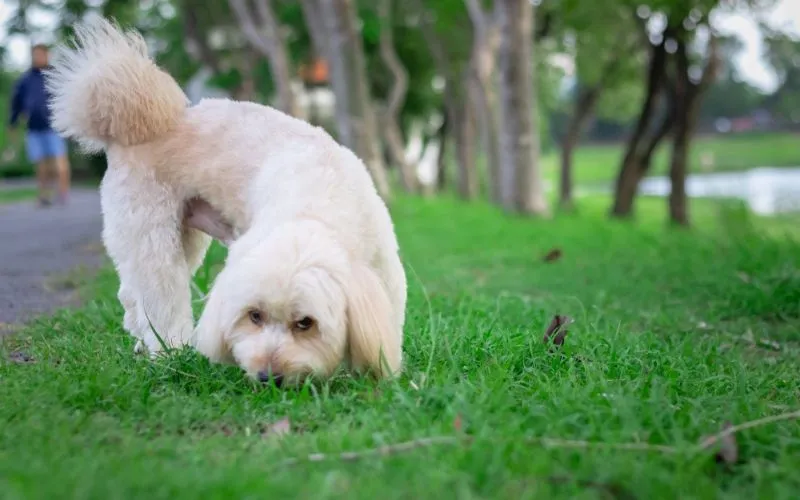
Dogs are known for their curious eating habits, and one behavior that often leaves owners puzzled is their tendency to eat grass. If you’ve ever caught your furry friend munching on a patch of greenery, you may have wondered why they do it and whether or not it’s something to be concerned about.
One theory suggests that dogs eat grass to alleviate an upset stomach. Grass acts as a natural emetic, causing dogs to vomit and potentially expel any indigestible substances that may be causing discomfort. This behavior is instinctual and can be seen in wild canines as well. However, it’s important to note that not all dogs vomit after eating grass, so this theory may not apply to every case.
Another possibility is that dogs eat grass simply because they enjoy the taste or texture. Just like humans crave certain foods, dogs may have an innate desire for grass. Some experts believe that dogs may be drawn to the freshness and moisture of grass, especially if their regular diet lacks these qualities.
While eating grass is generally considered normal behavior for dogs, there are a few instances where it may be a cause for concern. If your dog suddenly starts eating grass excessively and exhibits signs of distress such as vomiting, diarrhea, or lethargy, it’s best to consult your veterinarian. These symptoms could indicate an underlying health issue that requires medical attention.
In conclusion, dogs eating grass is a common behavior with various explanations. Whether it’s an instinct to alleviate an upset stomach or simply a preference for the taste, it’s generally not a cause for concern. However, if your dog’s grass-eating habits become excessive or are accompanied by other concerning symptoms, it’s always best to seek professional advice.
Is It Normal Behavior?

Many dog owners have witnessed their furry friends munching on grass at some point. It’s a common behavior that often leaves owners puzzled and wondering if they should be worried. So, why do dogs eat grass?
There are several theories as to why dogs engage in this behavior. One possibility is that dogs eat grass to fulfill a nutritional need. Grass contains essential vitamins and minerals that may be lacking in their regular diet. However, this theory is debated among experts, as dogs are not natural herbivores and have no biological requirement for grass.
Another theory suggests that dogs eat grass to induce vomiting. When dogs have an upset stomach or feel nauseous, they may instinctively eat grass to trigger vomiting, which helps them feel better. This behavior is commonly observed in both domesticated and wild canines.
Some experts believe dogs eat grass simply because they enjoy the taste and texture. Dogs explore the world through their mouths, and grass may provide a sensory experience that they find enjoyable. Additionally, dogs may eat grass out of boredom or to alleviate stress or anxiety.
While eating grass is generally considered normal behavior, there are instances when it can be a cause for concern. If your dog suddenly starts eating large amounts of hay or exhibits other unusual symptoms such as vomiting, diarrhea, or lethargy, it’s important to consult with your veterinarian. These signs could indicate an underlying health issue that requires medical attention.
In conclusion, dogs eating grass is a common behavior with various explanations. While it’s generally considered normal, monitoring your dog’s grass-eating habits and being aware of any changes in behavior or accompanying symptoms is essential. If you have any concerns, it’s always best to consult your veterinarian to ensure your dog’s health and well-being.
Can It Be Harmful?
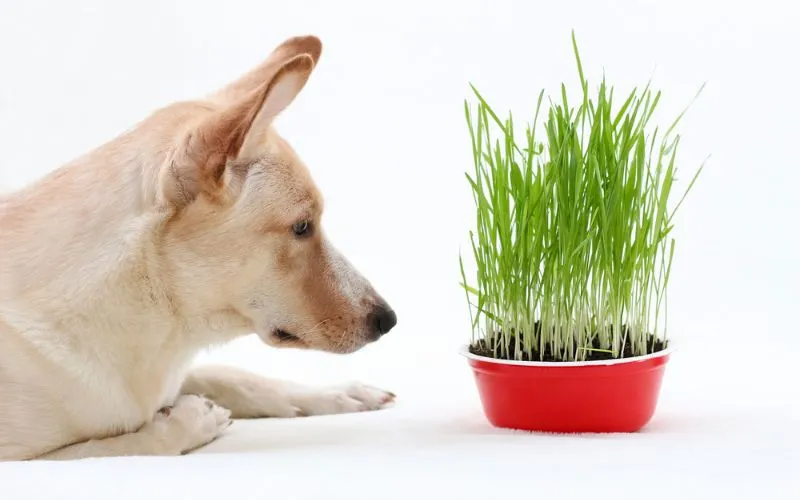
Dogs are known for their curious eating habits, and one of the most common questions dog owners have is why dogs eat grass.? Should you be worried about this behavior? Let’s take a closer look.
There are several theories as to why dogs eat grass. One possibility is that they eat grass to induce vomiting when they have an upset stomach. Grass can act as a natural emetic, helping dogs expel unwanted substances from their digestive system. Another theory suggests that dogs eat grass simply because they enjoy the taste and texture.
While it is generally considered normal for dogs to eat grass in moderation, some potential risks are associated with this behavior. Firstly, the grass could be contaminated with pesticides, herbicides, or other chemicals that could harm your dog. It’s important to ensure that the grass your dog has access to is free from any potentially toxic substances.
Additionally, some dogs may have allergies or sensitivities to certain types of grass. If you notice that your dog is frequently vomiting after eating grass or if they have diarrhea or other digestive issues, it’s best to consult with your veterinarian to rule out any underlying health problems.
In conclusion, while dogs do not uncommonly eat grass, monitoring their behavior and ensuring their safety is important. If your dog is eating grass excessively or experiencing any negative symptoms, it is best to seek professional advice. Remember, every dog is unique, and what may be harmless for one dog could be harmful to another.
So, the next time you see your furry friend munching on grass, keep a watchful eye and make sure they are not putting themselves at risk.
Is There a Medical Explanation?

Many dog owners have witnessed their furry friends munching on grass at some point. This peculiar behavior often leaves owners wondering why dogs eat grass and whether they should be concerned. While there isn’t a definitive answer, several theories suggest a medical explanation behind this behavior.
One theory is that dogs eat grass to induce vomiting. When dogs have an upset stomach or feel nauseous, they may instinctively turn to grass as a natural remedy. The grass blades tickle the throat and stomach lining, triggering the urge to vomit and potentially relieving their discomfort.
Another possible explanation is that dogs eat grass to fulfill a nutritional deficiency. Grass contains fiber, which aids digestion and helps regulate bowel movements. Some experts believe dogs may seek out grass when their diet lacks sufficient fiber or other essential nutrients.
While eating grass is generally considered harmless, there are instances when it can be a cause for concern. If your dog is excessively eating grass and showing signs of distress, such as vomiting, diarrhea, or lethargy, it’s advisable to consult a veterinarian. These symptoms could indicate an underlying medical condition that requires attention.
In conclusion, the reasons why dogs eat grass can vary. It may be an instinct to induce vomiting, a way to fulfill a nutritional deficiency, or simply a personal preference. As long as your dog’s grass-eating behavior is occasional and doesn’t cause any adverse effects, there’s usually no need to worry. However, if you notice any concerning symptoms, it’s always best to seek professional advice from a veterinarian.
Should I Be Worried?

Have you ever caught your furry friend munching on grass and wondered why? It’s a common behavior among dogs, but should you be worried? Let’s delve into the world of canine grass-eating and find out.
One possible reason why dogs eat grass is simply because they enjoy the taste. Just like humans crave certain foods, dogs may naturally have a natural inclination towards grass. It could be their way of adding variety to their diet or satisfying a nutritional need.
Another theory suggests that dogs eat grass to induce vomiting. When they have an upset stomach or feel nauseous, they may instinctively turn to grass as a natural remedy. The rough texture of the grass can tickle their throat and stomach lining, triggering the urge to vomit and relieve their discomfort.
However, if your dog regularly eats grass and shows signs of distress or illness afterward, it’s important to consult your veterinarian. It could be a sign of an underlying health issue that needs to be addressed.
While occasional grass-eating is generally harmless, there are some precautions to remember. Ensure the grass your dog has access to is free from pesticides or chemicals that could be harmful if ingested. Additionally, be cautious of plants that are toxic to dogs, such as lilies or daffodils, as they can cause serious health problems if consumed.
In conclusion, if your dog occasionally munches on grass and shows no signs of distress, there’s usually no need to worry. However, if the behavior becomes excessive or is accompanied by other concerning symptoms, it’s best to seek professional advice. Remember, understanding your furry friend’s habits and behaviors is important to being a responsible pet owner.
What Can I Do to Prevent It?
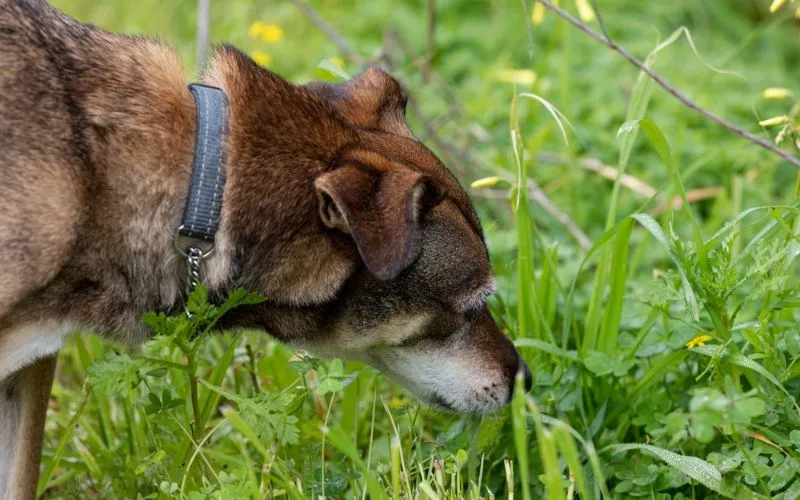
If you’re concerned about your dog eating grass, there are several steps you can take to try and prevent it. While it’s normal for dogs to eat grass occasionally, excessive grass consumption can cause concern. Here are some suggestions to help address this behavior:
1. Provide a balanced diet: Ensure your dog receives a nutritionally balanced diet. Sometimes, dogs may eat grass if they have a dietary deficiency. Consult with your veterinarian to ensure your dog’s nutritional needs are met.
2. Increase physical and mental stimulation: Dogs may eat grass out of boredom or to seek inspiration. Engage your dog in regular exercise and provide mentally stimulating toys and activities to keep them occupied and satisfied.
3. Monitor outdoor access: If your dog has access to a yard, ensure it’s free from toxic plants or chemicals. Maintain a safe and secure environment to minimize the chances of your dog ingesting harmful substances.
4. Address any underlying health issues: Dogs may eat grass to self-medicate if they’re experiencing digestive issues or discomfort. If other symptoms like vomiting or diarrhea accompany your dog’s grass-eating behavior, consult your veterinarian to rule out any underlying health problems.
5. Train and redirect: Teach your dog a “leave it” or “drop it” command to discourage them from eating grass. Redirect their attention to more appropriate behavior, such as playing with a toy or engaging in training exercises.
Remember, occasional grass consumption is generally harmless, but if your dog eats grass excessively or shows signs of distress, it’s best to consult your veterinarian. They can provide personalized advice and address any specific concerns you may have.
Implementing these preventive measures can help ensure your dog’s well-being and minimize their grass-eating behavior.
When Should I Consult a Veterinarian?

As a dog owner, you may have wondered why your furry friend occasionally munches on grass. While this behavior is common among dogs, it can sometimes raise concerns. So, when should you consult a veterinarian about your dog’s grass-eating habits?
One of the main reasons dogs eat grass is to induce vomiting. When they have an upset stomach or feel nauseous, they instinctively turn to grass as a natural remedy. However, if your dog repeatedly eats grass and vomits excessively, it could be a sign of an underlying health issue. It is best to consult a veterinarian to rule out any serious problems in such cases.
Another reason dogs eat grass is for dietary supplementation. Grass contains essential nutrients and fiber that can aid in digestion. However, if your dog’s diet is well-balanced and they are still excessively consuming grass, it could indicate a nutritional deficiency. A veterinarian can help identify weaknesses and recommend appropriate dietary changes or supplements.
Sometimes, dogs may eat grass out of boredom or because of anxiety. Suppose your dog exhibits other behavioral issues, such as destructive behavior or excessive barking. In that case, it is advisable to consult a veterinarian who can guide them in managing their anxiety or boredom.
Additionally, certain pesticides or chemicals used on grass can be toxic to dogs. If you suspect your dog has ingested harmful substances while eating grass, it is crucial to seek immediate veterinary attention.
In conclusion, while occasional grass-eating is usually harmless, there are situations where it is necessary to consult a veterinarian. Excessive vomiting, persistent grass-eating, signs of nutritional deficiencies, behavioral problems, or exposure to toxic substances are all valid reasons to seek professional advice. Remember, your veterinarian is the best person to assess your dog’s health and provide appropriate guidance.
Are There Any Natural Remedies to Stop It?
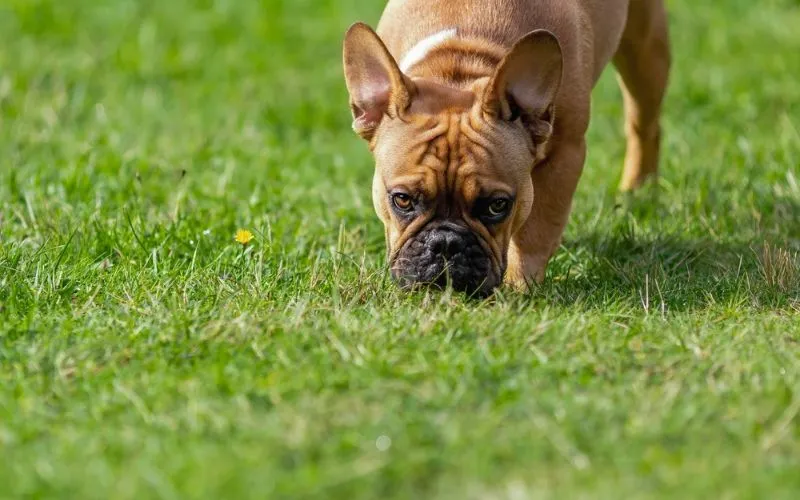
Dogs are known for their curious nature, sometimes leading them to eat things that may seem unusual to humans. One common behavior that perplexes dog owners is their tendency to eat grass. If you’re wondering why your furry friend indulges in this behavior and whether or not you should be worried, you’re not alone. Many dog owners have the same concerns.
While it may seem strange, eating grass is quite common among dogs. There are several theories as to why dogs engage in this behavior. Some experts believe that dogs eat grass to fulfill a nutritional deficiency in their diet, while others suggest that it may be a way for dogs to alleviate gastrointestinal discomfort. Additionally, some dogs enjoy the taste and texture of grass.
If your dog’s grass-eating habit is causing you concern, you may wonder if there are any natural remedies to stop it. While no foolproof method exists to eliminate this behavior, you can try a few things.
One approach is to ensure that your dog’s diet is well-balanced and provides all the necessary nutrients. Speak to your veterinarian about the best diet for your dog’s needs. Additionally, plenty of exercise and mental stimulation can help redirect your dog’s attention away from grass.
Another natural remedy is to offer your dog alternative greens to chew on. Some dog owners have successfully provided their pets wheatgrass or other safe, dog-friendly plants. These alternatives satisfy your dog’s desire to chew on grass without the potential risks of ingesting pesticides or other harmful substances.
It’s important to note that if your dog’s grass-eating behavior becomes excessive or is accompanied by other concerning symptoms, such as vomiting or diarrhea, it’s best to consult with your veterinarian. They can help determine if an underlying medical issue needs to be addressed.
Conclusion
While eating grass is a common behavior in dogs, it’s important to monitor your furry friend’s habits and ensure their safety. By providing a well-balanced diet, plenty of exercise, and offering safe alternatives, you can help manage this behavior and keep your dog healthy and happy.
In conclusion, the topic of why dogs eat grass and whether or not we should be worried about it is complex. Throughout this post, we have explored various aspects of this behavior and its potential implications for our furry friends.
We have learned that dogs eat grass for various reasons, including instinctual behavior, nutritional deficiencies, or simply because they enjoy the taste. While it is considered normal behavior, monitoring their grass-eating habits and ensuring they do not consume harmful substances is essential.
Although eating grass is generally harmless, it can occasionally lead to gastrointestinal issues such as vomiting or diarrhea. If your dog exhibits any concerning symptoms or starts consuming grass excessively, it is crucial to consult with a veterinarian to rule out any underlying medical conditions.
While there is no foolproof method to prevent grass-eating entirely, you can take steps to minimize the risk. Providing a well-balanced diet, ensuring regular exercise, and keeping your yard free from pesticides or toxic plants can help reduce the likelihood of your dog ingesting harmful substances while grazing.
Thank you for taking the time to read this post. We hope it has provided valuable insights into why dogs eat grass and whether or not you should be worried about it. We encourage you to leave any comments or feedback, as your input is greatly appreciated.
