

Why Can Amphetamines Be Used to Treat Adhd in Children?
You might wonder why doctors prescribe amphetamines, known for their stimulant properties, to manage ADHD in children. It's because these drugs increase dopamine and norepinephrine in the brain, essential neurotransmitters that play a significant role in attention and behavioral control. While it's true that about 70-80% of children experience a marked improvement in symptoms, the use of these medications isn't without controversy or potential side effects. This juxtaposition of high efficacy with considerable risks presents a complex scenario that you'll want to understand more about, especially if you're considering this treatment option for a child.
Key Takeaways
- Amphetamines increase dopamine and norepinephrine levels, enhancing attention and impulse control in ADHD patients.
- These medications help improve motivation and the perception of tasks, reducing inattentiveness.
- Amphetamines are effective in 70-80% of children, showing rapid improvement in attention spans and hyperactivity.
- They alter brain activity in areas like the nucleus accumbens, leading to better emotional regulation and reduced impulsivity.
- When combined with behavioral therapies, amphetamines provide a comprehensive approach to managing ADHD symptoms.
ADHD Overview
Attention Deficit Hyperactivity Disorder (ADHD) impacts 5-10% of children worldwide, manifesting as ongoing issues with inattention, hyperactivity, and impulsivity.
If you're noticing your child frequently struggling to focus, constantly in motion, or making hasty decisions, they might be exhibiting classic symptoms of ADHD. This condition doesn't just fade away with the end of childhood; it can persist into adulthood, influencing academic success, social interactions, and even career achievements.
Diagnosing ADHD isn't simply a matter of observing behaviors for a few minutes. It involves detailed behavioral assessments and standardized questionnaires that evaluate how these symptoms affect daily life.
Knowing the extent of ADHD's impact helps in crafting a tailored treatment plan.
Treatment typically includes both behavioral therapy and medication. Amphetamines are often a top choice for managing ADHD symptoms because they're effective in helping control hyperactivity and impulsivity while improving focus.
Early intervention is vital. By addressing ADHD symptoms early with a thorough approach, you can greatly enhance your child's quality of life, helping them develop effective coping mechanisms and succeed in various stages of life.
Amphetamines Mechanism
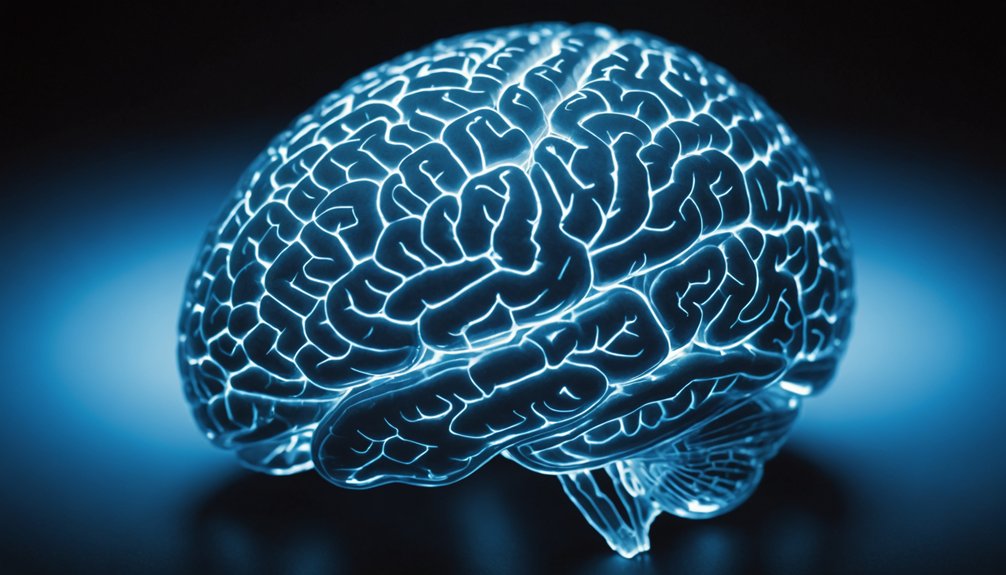
Amphetamines effectively boost neurotransmitter activity in the brain, fundamentally enhancing the levels of dopamine and norepinephrine. This increase is essential because dopamine and norepinephrine are vital for attention and impulse control, which are often lacking in children with ADHD. By increasing the release and blocking the reuptake of these neurotransmitters, amphetamines help maintain higher levels in the brain. This leads to improved motivation and perception of tasks as more rewarding, which in turn helps children focus better on their activities.
Amphetamines also modulate activity in specific brain regions involved in impulse control and attention. For instance, they impact the nucleus accumbens, a key area linked with cognitive performance. This alteration in brain activity helps reduce hyperactivity and impulsive behaviors, allowing for better emotional and behavioral regulation.
Here's how amphetamines influence various aspects of ADHD:
| Brain Function Improved | Resulting Benefit for ADHD |
|---|---|
| Neurotransmitter Levels | Enhanced focus and attention |
| Impulse Control | Reduced impulsivity |
| Cognitive Performance | Improved task management |
| Hyperactivity | Decreased restlessness |
Treatment Efficacy

Building on the understanding of how amphetamines impact brain chemistry and function, it's important to explore their actual effectiveness in managing ADHD symptoms in children. These medications modify neurotransmitter activity in the brain, essential for enhancing impulse control and attention.
You might find it surprising that around 70-80% of children with ADHD experience a noticeable reduction in symptoms with amphetamine treatment. This includes better attention spans and impulse control, which can manifest within just a few hours after taking the medication. Not only do these improvements appear quickly, but they also tend to last. Long-term studies have shown that many children continue to benefit from sustained symptom control over extended periods.
However, treatment isn't one-size-fits-all. Dosage adjustments are often necessary to fine-tune the effects of amphetamines, catering to individual needs and maximizing treatment efficacy.
Furthermore, when you combine these medications with behavioral therapy, the overall outcomes for children can greatly improve. This integrated approach helps in tackling ADHD thoroughly, ensuring that the children receive the most benefit from their treatment plan.
Potential Side Effects

While amphetamines can greatly improve ADHD symptoms in children, they also bring a range of potential side effects that can't be ignored. You might notice your child experiencing less hunger than usual, a side effect known as appetite suppression. This might lead to weight loss or growth issues if amphetamines are used for an extended period.
Additionally, insomnia is a common concern. It could disrupt your child's sleep patterns, affecting their overall well-being and ability to concentrate during the day.
Mood swings or irritability are other side effects you might observe, which can impact not just your child's emotional regulation but also their social interactions.
There's also a need to watch for signs of anxiety or an increased heart rate, as these could indicate underlying cardiovascular stress.
Most worryingly, the risk of dependency can't be overlooked. Adolescents, in particular, are at a higher risk, making it essential for healthcare providers to conduct regular assessments to prevent misuse of amphetamines.
Consideration of Alternatives

Given the potential side effects of amphetamines, it's important to contemplate alternative treatments for managing ADHD in children. While amphetamines can be effective, exploring non-stimulant alternatives that may offer a better fit for certain individuals is vital.
These alternatives not only help manage symptoms but also align with personalized treatment approaches, taking into account individual needs and responses.
Here are three notable alternative strategies:
- Non-Stimulant Medications: Medications like atomoxetine target neurotransmitter activity, specifically norepinephrine reuptake, and are suitable for those at risk of stimulant misuse.
- Behavioral Therapy: Approaches such as cognitive-behavioral therapy (CBT) and parent training are essential. They work alongside any medication to enhance symptom management by teaching coping skills and behavioral adjustments.
- Lifestyle Modifications: Implementing structured routines, engaging in regular physical activity, and maintaining a balanced diet are all lifestyle changes that greatly boost the effectiveness of ADHD treatments.
These alternatives to treat ADHD focus on a holistic approach, emphasizing the importance of tailoring interventions to the unique neurobiological and psychological profile of each child.
Future Research Directions
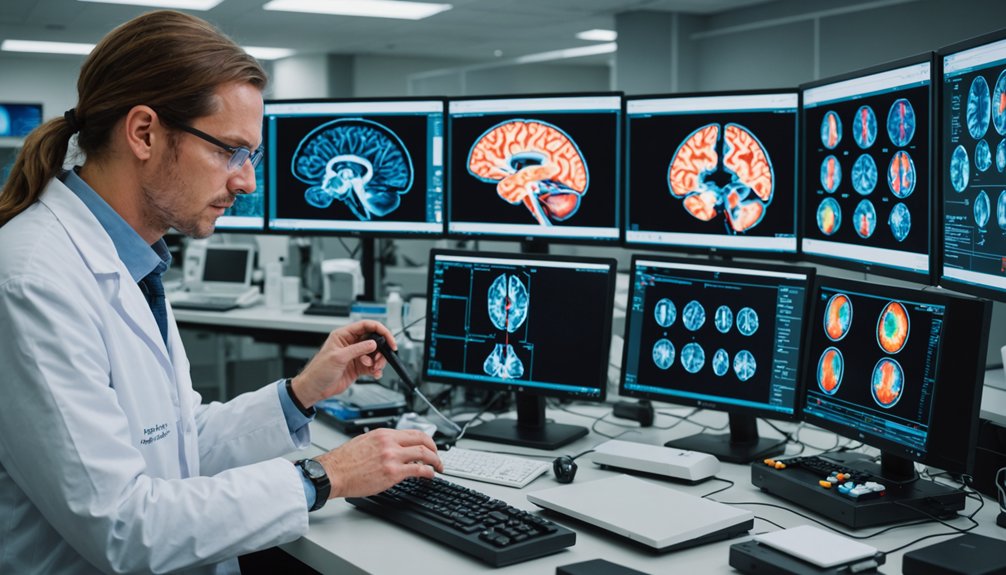
Exploring alternative treatments for ADHD, such as behavior therapy and lifestyle modifications, sets the stage for the next vital area of focus: the future of ADHD research.
As you investigate deeper, you'll find that understanding genetic factors is key. Researchers are zeroing in on how these factors affect individual responses to amphetamines. This could lead to tailored treatments that are more effective and have fewer side effects.
Moreover, the safety and efficacy of long-term amphetamine use in children is a major concern. Studies are underway to assess these aspects thoroughly, ensuring that amphetamines continue to be a viable option for managing ADHD symptoms.
Simultaneously, the development of new non-stimulant medications is progressing. These drugs aim to offer relief for those who don't fare well with traditional stimulant therapies. It's essential to have alternatives that can address the varied needs of children with ADHD.
Combining amphetamines with behavioral therapies is also on the research agenda. This approach seeks to enhance treatment outcomes by integrating medication with practical, skill-building techniques.
Additionally, examining how lifestyle changes like diet and exercise can impact neurotransmitter activity and complement amphetamine treatment is paving the way for a more holistic approach to ADHD management.
Conclusion
You've seen how amphetamines can be a game changer for managing ADHD in kids by boosting brain chemicals like dopamine and norepinephrine. They sharpen focus and regulate emotions, helping 70-80% of children markedly. While they're effective, you should also be aware of potential side effects and consider alternatives. Continuous research is vital to optimize treatment and minimize risks. Keep exploring options and stay informed to guarantee the best care for children dealing with ADHD.
