

Golden Shepherd: Health, Training, and Care Guide
The Golden Shepherd is a captivating breed that combines the intelligence and loyalty of the German Shepherd with the friendly disposition and golden coat of the Golden Retriever. This hybrid breed, known as the Golden Retriever German Shepherd Mix, has gained popularity for its winning combination of traits, making it an ideal companion for families and individuals. This article will delve deep into this unique and lovable breed’s characteristics, care requirements, training tips, and more.
Understanding the Golden Shepherd

The Golden Shepherd is a relatively recent designer breed believed to have originated in the United States. While the precise origins remain unclear, it’s thought to have emerged within the last few decades as the demand for mixed-breed dogs with desirable traits increased. This crossbreed blends the German Shepherd and the Golden Retriever, two highly popular and beloved breeds known for their intelligence, loyalty, and versatility. Combining these two breeds results in a dog that embodies the best of both worlds, making the Golden Shepherd an appealing choice for many prospective dog owners seeking a devoted companion with a friendly demeanor.
Origins and Background
The Golden Shepherd is a relatively new designer breed that likely originated in the United States. While the breed’s exact origins are unclear, it is believed to have emerged within the past few decades as demand for mixed-breed dogs with desirable traits has increased.
Physical Characteristics
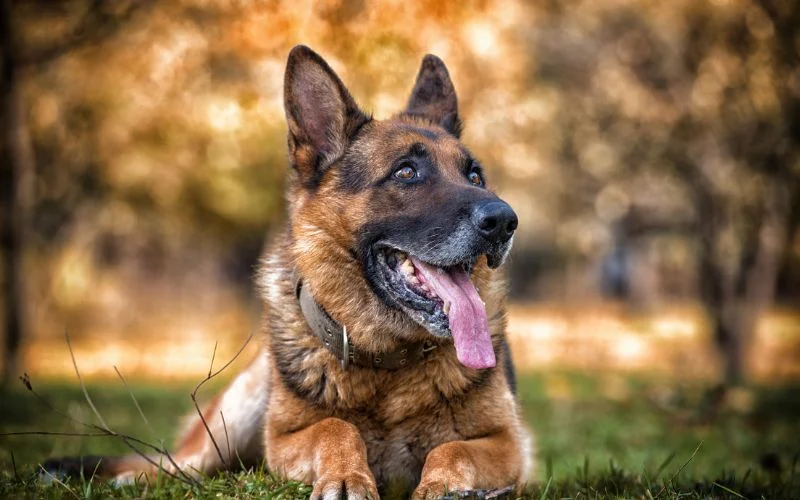
Golden Shepherds inherit traits from both parent breeds, resulting in a unique and charming appearance. They typically have a sturdy build reminiscent of the German Shepherd, coupled with the distinctive golden coat of the Golden Retriever. Their fur can vary in length and texture, ranging from medium to long, and they often feature a dense double coat that provides insulation and protection from the elements. Additionally, their ears may take after either parent breed, with some Golden Shepherds sporting the erect ears of the German Shepherd. In contrast, others have floppy ears, characteristic of the Golden Retriever.
Temperament and Personality
One of the most appealing aspects of the Golden Shepherd is its delightful temperament and affectionate personality. These dogs are renowned for their loyalty, intelligence, and eagerness to please, making them wonderful companions for individuals and families. They are known to form strong bonds with their owners and are highly protective of their loved ones. Golden Shepherds are typically friendly and sociable, getting along well with children and other pets when properly socialized from a young age. Their playful and outgoing nature makes them a joy to be around and ensures they thrive in various environments, from bustling households to more serene settings.
Care and Maintenance
Golden Shepherds require consistent care and maintenance to ensure their health and well-being.
Regular grooming is essential to keep their coat healthy and free of mats. Due to their dense double coat, they are prone to shedding, especially during seasonal changes. Therefore, it’s crucial to establish a grooming routine that includes brushing sessions at least two to three times a week. Use a slicker brush or undercoat rake to remove loose hair and prevent tangles. Focus on areas prone to matting, such as behind the ears and around the tail.
Grooming Needs
Golden Shepherds require regular grooming to ensure their coat remains healthy and mat-free. Due to their dense double coat, they are prone to shedding, especially during seasonal changes. Establishing a consistent grooming routine is essential, including brushing sessions at least two to three times a week using a slicker brush or undercoat rake to remove loose hair and prevent tangles. Focus on areas prone to matting, such as behind the ears and around the tail.
Exercise Requirements
As active and intelligent breeds, German Shepherds and Golden Retrievers need plenty of physical and mental stimulation to thrive, and the Golden Shepherd is no exception. Daily exercise such as brisk walks, runs, or play sessions in a fenced yard is essential to keeping them happy and healthy.
Nutritional Considerations
A balanced diet tailored to the Golden Shepherd’s size, age, and activity level is crucial for optimal health. High-quality dog food that meets their nutritional needs, supplemented with occasional treats for training purposes, can help support their overall well-being.
Training and Socialization
They are vital to raising a well-behaved and well-adjusted Golden Shepherd.
Training Tips
Golden Shepherds are highly intelligent and eager to please, making them relatively easy to train. However, consistency, patience, and positive reinforcement are key to successful training. Use rewards such as treats, praise, and playtime to motivate and reinforce desired behaviors. Start with basic obedience commands like sit, stay, come, and heel, and gradually progress to more advanced training tasks. Keep training sessions short, engaging, and fun to maintain your dog’s focus and enthusiasm. Additionally, consider enrolling your Golden Shepherd in obedience classes or working with a professional trainer to enhance their skills and effectively address behavioral issues.
Socialization Importance
Early socialization is crucial for Golden Shepherds to develop into well-rounded, confident dogs. Expose them to various people, animals, environments, and experiences from a young age to help them feel comfortable and confident in different situations. Arrange playdates with other dogs, introduce them to various sounds and sights, and take them on outings to new places. Positive experiences during the socialization period can prevent fearfulness, anxiety, and aggression later in life. Additionally, continue to expose your Golden Shepherd to new experiences throughout their life to reinforce social skills and prevent regression.
Health Considerations
Ensuring the health and well-being of your Golden Shepherd is essential for a long and happy life together.
Common Health Issues
Like all breeds, Golden Shepherds are susceptible to certain health conditions that may affect their quality of life. Some of the most common health issues seen in this breed include hip dysplasia, elbow dysplasia, progressive retinal atrophy, and certain types of cancer. Regular veterinary check-ups are crucial for early detection and management of these conditions. Additionally, maintaining a healthy weight, providing regular exercise, and feeding a balanced diet can help reduce the risk of certain health problems and promote overall well-being.
Life Expectancy
On average, Golden Shepherds have a life expectancy of 10 to 14 years when provided with proper care and attention. However, genetics, lifestyle, and environmental influences can all impact individual longevity. By prioritizing preventive care, including regular veterinary visits, vaccinations, parasite control, and dental care, you can help ensure your Golden Shepherd enjoys a long and healthy life by your side. Additionally, be vigilant for any changes in behavior, appetite, or mobility, as these may indicate underlying health issues that require prompt attention.
FAQs
1. Are Golden Shepherds suitable for families with children?
Golden Shepherds are known for their gentle and affectionate nature, making them excellent companions for families with children. However, supervision, proper training, and socialization are essential to ensure harmonious interactions between the dog and children.
2. Do Golden Shepherds require a lot of exercise?
Golden Shepherds are energetic and active breeds that require daily exercise to stay healthy and happy. Activities such as walks, runs, play sessions, and interactive games are necessary to fulfill their physical and mental needs.
3. Are Golden Shepherds easy to train?
Golden Shepherds are highly intelligent and trainable dogs that respond well to positive reinforcement techniques. Consistent training, patience, and rewards for desired behaviors can help shape them into obedient and well-mannered companions.