

Miniature Bernedoodles: Size, Temperament, and More
Miniature Bernedoodles are a loving hybrid of Bernese Mountain Dogs and Miniature Poodles. Famed for their clever minds, adaptability, and vibrant playfulness, they are ideal for diverse living environments. Surprising to many, these charming pets shed minimal fur—a boon to allergy sufferers. Their stature ranges from 18 to 22 inches at the shoulder, and their weight sits between 25 and 50 pounds, a manageable size for many households. A visit to our dedicated guide will open up more about Miniature Bernedoodles.
When choosing a miniature Bernedoodle as a pet, it’s essential to factor in their intelligence, exercise needs, grooming requirements, and potential health concerns such as hip dysplasia. Additionally, ensure that your living situation and lifestyle accommodate their activity level and social nature.
What is a Miniature Bernedoodle?
The Miniature Bernedoodle is an endearing blend of the Bernese Mountain Dog and the Miniature Poodle. They are known for their intelligence, playfulness, and remarkable adaptability.
Intelligence: This crossbreed inherits the intelligence of both parent breeds, making them quick learners and highly trainable. Their ability to comprehend commands and adjust to situations makes them ideal companions for various living environments.

- Playful Nature: Miniature Bernedoodles are brimming with energy and relish playtime, making them excellent choices for families with active lifestyles. Their playful demeanor also makes them wonderful companions for children, as they love to engage in games and activities.
- Adaptability: One of the key features of the Miniature Bernedoodle is its adaptability. Whether you live in a spacious home with a large yard or a cozy apartment, these dogs can thrive in various living environments. Their versatility makes them well-suited for individuals or families living in different settings.
Due to their wonderful temperament and affectionate demeanor, Miniature Bernedoodles have become increasingly popular as family pets. Their minimal shedding also makes them suitable for individuals with allergies, allowing more people to experience the joy of having a furry companion.
For example, some families who have never been able to consider having a pet due to allergy concerns have found that they can comfortably welcome a Miniature Bernedoodle into their homes without experiencing adverse reactions.
Some might argue that the rising popularity of Miniature Bernedoodles could lead to overbreeding or health issues within the breed. While it’s true that popularity can sometimes lead to unethical breeding practices, potential owners can ensure that they support responsible breeding efforts by choosing reputable breeders who prioritize health screenings and ethical breeding practices.
Size & Appearance of Fully Grown Miniature Bernedoodles
Fully grown Miniature Bernedoodles possess an irresistible charm that complements their manageable size. At 18 to 22 inches tall at the shoulder and weighing around 25-50 pounds, they strike a perfect balance between being sturdy for playtime and small enough for a cozy cuddle on the couch.
Their coat is a sight to behold, often described as wavy or curly, giving them a delightful, teddy bear-like appearance. This beautiful coat can come in various colors, with black, brown, white, or a combination of these colors being the most common. The distinctive black, white, and rust tricolor pattern creates a striking contrast that adds to their adorable appeal.
The fusion of various colors often culminates in unique and individualized patterns for each Miniature Bernedoodle—some may exhibit sable, phantom, merle, or brindle patterns that highlight the genetic diversity ingrained within the breed.
It’s like owning a box of assorted chocolates; every piece has its unique design and flavor. Similarly, each Miniature Bernedoodle boasts an exclusive coat pattern that sets it apart.
While some may argue that their varying appearances make it difficult to choose just one from the litter when adopting, others see this as an exciting opportunity to find a companion with an appearance as unique as their personality.
When deciding on a specific look or color, it’s crucial to remember that while aesthetics are important, assessing compatibility with your lifestyle and habits should be prioritized.
The distinct color variations and charming coats of fully grown Miniature Bernedoodles contribute significantly to their visual appeal. But there’s much more to these adorable dogs than meets the eye!
The Unique Coat & Color of the Miniature Bernedoodle
The coat of a Miniature Bernedoodle is a work of art. Each is unique, resembling a painting made with the finest brush strokes. Their fur can come in varying textures, ranging from curly to wavy, showcasing a stunning variety of colors. Picture witnessing soft waves of black, brown, white, or even a combination of these shades; it’s like observing an artist at work.
But it’s not just about beauty; it’s about practicality, too. One thing that sets Miniature Bernedoodles apart is their low-shedding and hypoallergenic coats. This makes them an excellent choice for people with allergies because they produce less dander, rendering them a sought-after breed for families with allergy concerns.
Coat Maintenance and Grooming Tips
However, proper grooming and regular brushing are imperative to keeping their coats looking beautiful and healthy. Just as humans need to brush their hair to avoid tangles, these furry friends require the same care to prevent their fur from matting. Regular grooming also aids in maintaining their low-shedding coat.
For instance, envision it’s akin to tending to a beautiful garden; regular maintenance is crucial to ensure it looks its best.
Your Miniature Bernedoodle’s coat isn’t merely about looks—it’s also vital for their comfort and health.
Understanding the uniqueness of their coat and color characteristics assists in their daily grooming needs, and owners should embrace this “artwork” they carry on their backs.
Unpacking the Personality: Intelligent, Playful & Friendly
When it comes to personality, Miniature Bernedoodles are truly a standout breed. Their intelligence sets them apart, making them quick learners who are easily trainable. This means they’re adorable and can be remarkably responsive and obedient, which is a big plus for any dog owner. They’ll likely catch on quickly if you teach them basic commands or more advanced tricks.
Another defining characteristic is their playful nature. They have a natural inclination for interactive games and activities; they love to have fun! Engaging toys and interactive play sessions provide vital mental stimulation that keeps them happy and thriving. Providing these engaging activities is important as they can become bored or anxious if left alone for long periods.
But it’s not about play; Miniature Bernedoodles exhibit remarkable friendliness and sociability. They have an innate ability to form strong bonds with their family members, including children and other pets. Their adaptable nature allows them to fit comfortably into various living environments, whether a bustling family home or a cozy apartment.
Miniature Bernedoodles are known for their loyalty and dedication to their owners. They prioritize building strong connections and offering heartfelt and rewarding steadfast companionship. This loyalty is a cherished bond that cements their position as beloved members of the family unit.
In essence, the blend of intelligence, playfulness, and friendliness sets Miniature Bernedoodles apart as charismatic companions with an innate ability to bring joy and warmth to every household they join.
Effective Training Tips for Your Miniature Bernedoodle
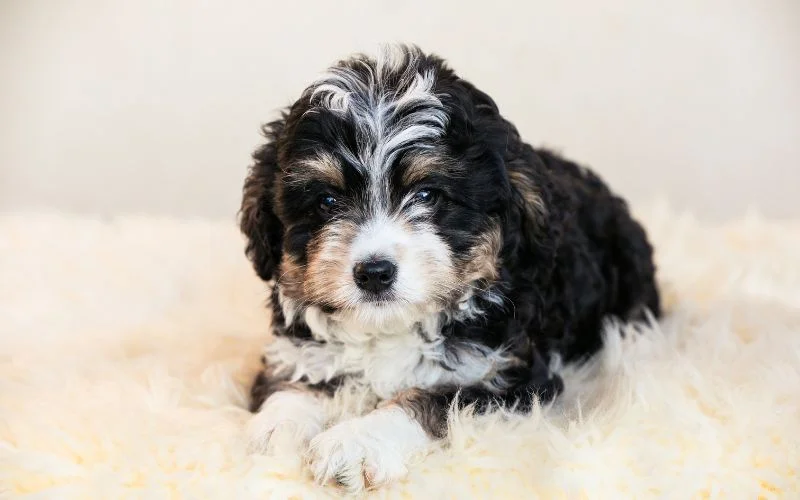
Training a Miniature Bernedoodle is a rewarding experience that demands patience, understanding, and consistency. These intelligent and social dogs thrive when presented with positive reinforcement, early socialization, and consistent training routines. Here are some effective training methods to bring out the best in your Miniature Bernedoodle.
Positive Reinforcement
Positive reinforcement is a powerful tool for shaping the behavior of your Miniature Bernedoodle. They respond eagerly to treats, praise, and rewards, making it an ideal method for reinforcing good behavior.
- Treats: When your furry friend listens to a command or behaves well during training sessions, reward them with small, healthy treats.
- Praise: Shower your Bernedoodle with verbal praise such as “Good job” or “Well done” to communicate approval and encourage desirable behavior.
- Rewards: Using toys and playtime as rewards can be highly effective for Bernedoodles as they love engaging activities.
By associating obedience with positivity, you instill good conduct and foster a trusting relationship with your pet. This approach should be used consistently throughout your dog’s life, from puppyhood through adulthood.
Early Socialization
Early socialization is paramount for a well-rounded and well-adjusted adult Miniature Bernedoodle. Introducing your pup to various people, pets, and environments from an early age is crucial.
Consistent exposure helps minimize anxiety and fear responses in new situations, creating a confident and well-behaved adult dog.
Consistency in Training Building, a routine through consistent training methods, creates predictability for your dog. This helps them understand their expectations and leads to more successful learning outcomes.
Positive reinforcement, early socialization, and consistent training form the foundation for nurturing good behavior in your Miniature Bernedoodle. Let’s explore further steps beyond obedience training to ensure the holistic development of your beloved pet.
Health, Grooming, and Exercise Requirements for Miniature Bernedoodles
When owning one, understanding and addressing a Miniature Bernedoodle’s unique health needs is paramount. While they are typically healthy dogs, they can be prone to certain health issues, such as hip and elbow dysplasia and eye problems. Regular veterinary check-ups play a vital role in monitoring and maintaining their health.
Hip dysplasia, for example, causes pain and lameness in affected limbs due to the thighbone not fitting snugly into the hip joint. Elbow dysplasia involves developmental abnormalities in the elbow joint that may contribute to arthritis. Eye problems range from minor irritations to more serious conditions requiring medical attention. Being vigilant about these issues ensures prompt treatment and helps maintain the overall well-being of your beloved canine companion.
Grooming Needs
The Bernedoodle’s beautiful coat is one of its most distinct features. Regular grooming is required to prevent matting and keep it healthy and tidy. This involves brushing a few times weekly to remove loose fur and prevent tangles. Occasional baths are necessary to keep them clean, while regular trimming helps manage their fur length and overall appearance.
The frequency of grooming can vary depending on the dog’s coat type. Those with curlier coats may require more frequent grooming than those with straighter or wavier coats. It’s essential to use the right grooming tools and products suited for the dog’s specific coat type to ensure comfort during grooming sessions.
Exercise Requirements
Understanding and meeting the health, grooming, and exercise needs of your Miniature Bernedoodle are vital components in ensuring their happy and healthy lifestyle. These practices help prevent potential health issues significantly contributing to their well-being and happiness.
Bernedoodles thrive on regular physical activity, needing 30-60 minutes of daily exercise for mental and physical stimulation. Whether it’s a brisk walk around the neighborhood, engaging playtime at the park, or mentally stimulating activities such as puzzle toys or training exercises—these activities cater to their social interaction needs and significantly impact their overall well-being.