

Bull Boxer Dog: Breed, Temperament And Training
Remarkable yet often overlooked, the Bull Boxer Dog is a testament to the beauty of crossbreeding. This unique blend of strong Bulldog and lively Boxer manifests in attention-grabbing looks and an equally engaging personality. In this blog post, let’s delve into everything you need to know about this underappreciated gem of a breed, from its distinctive characteristics and playful yet watchful temperament to responsive training methods. Get ready for an up-close and personal look at what it means to have a Bull Boxer Dog as your next furry family member.
The bullboxer, also known as a Pixoter or American Bullboxer, is a mixed breed dog resulting from crossing the Boxer and American Pit Bull Terrier breeds. These dogs inherit some of the best traits from both parents, such as loyalty, protectiveness, and affection towards family members. While they can be strong and sometimes stubborn, early socialization and reward-based training can bring out their best qualities. It should be noted that individual dogs may vary in their Friendliness towards other dogs, so socialization at an early age is crucial. Bullboxer dogs can be great companions and suitable for novice owners who are attentive and responsible pet parents.
Bull Boxer Dog
The Bullboxer Pit is a mixed breed dog, a cross between the Boxer and American Pit Bull Terrier breeds. They inherited some of the best traits from both parents. Often referred to as Pixoter or American Bullboxer, these dogs are becoming increasingly popular due to their fun-loving, protective temperament.
Bullboxer Pits can be loyal and protective companions and often bond well with children. However, socialization from a young age is essential due to their natural strength and a sometimes stubborn streak. Reward-based training works well with this mixed breed. An attentive and responsible pet parent will bring out the best in them.
When selecting a dog for an apartment, it’s not just about size but also considering factors like barking behavior and polite interaction with neighbors. Quiet, low-energy dogs with good manners are desirable in an apartment setting. Bullboxer Pits are suitable for novice owners as they have low sensitivity levels and can tolerate being alone in cold and hot weather.
They have an all-around friendliness and are affectionate with family members. However, not all dogs of the same breed will be equally affectionate. They are considered kid-friendly, but supervision is still necessary to ensure safety. Friendliness toward dogs can vary among individuals within the breed. Still, early socialization plays a significant role in how they interact with other dogs.
Breed Characteristics
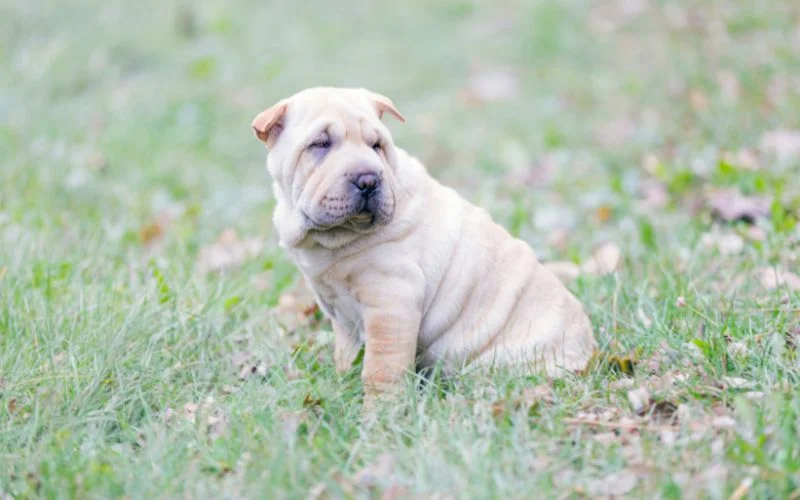
The bullboxer dog has short hair in various colors such as brindle (most common), white/brown, or black/brown combinations depending on the parent breeds’ coloring; hence, they have a unique look. Regarding size, bull boxers often weigh between 30 and 80 pounds and can reach heights of 20 to 26 inches at full-grown status.
Due to their muscular build and high energy levels, these dogs require regular exercise to prevent destructive behavior. Additionally, their expressive eyes and prominent ears make them prone to health issues like eye and ear infections. Therefore, it is important to maintain a regular hygiene routine to monitor any potential illnesses and see a vet when necessary.
Bull Boxer dogs’ temperaments are described as energetic, fun-loving, and loyal, yet protective. They carry traits from both parents, making them excellent pets for families with children or other animals. However, loyal and protective of their owners, bullboxer dogs require early socialization to prevent aggressive behaviors toward other dogs.
Unlike most breeds, bullboxer dogs are not generally motivated by food but need praise and affection from their owners. Positive reinforcement methods work best in training them. If they have room to exhaust their energy levels regularly, these dogs will respond well to their owner’s commands.
- The Bull Boxer dog is a unique breed with short hair and various color combinations. They are muscular, energetic dogs that require regular exercise to prevent destructive behavior. Maintaining a hygiene routine is important to monitor potential health issues. They have a fun-loving and loyal temperament, making them great family pets. Early socialization is necessary to prevent aggression towards other dogs. Positive reinforcement methods work best in training, and they respond well to their owner’s commands as long as they exercise enough.
Typical Temperament
The bullboxer dog is a mixed breed resulting from the crossbreeding between an American Pit Bull Terrier and a Boxer. This breed has inherited traits from both parents, making it an energetic, loyal, and protective companion. Overall, these dogs are known to be naturally friendly and affectionate towards their families, including children. Their playful and lively personality can light up any room, and they thrive on physical and mental stimulation beyond idle walks in the park.
However, as with any dog breed, temperament can vary depending on training, socialization, and genetics. Fortunately, early socialization with other dogs, people, and different environments can help your pup grow into a well-rounded adult dog.
For example, Bull Boxers might develop undesirable behaviors like hyperactivity or aggression if not correctly trained while young or not exposed early to various social settings with enough positive reinforcements for good behavior and results.
Exercise and Training Requirements
Bull Boxers are active dogs that enjoy spending time outdoors; thus, they need regular exercise to remain healthy and happy. The recommended minimum time for daily exercise is at least 60 minutes of walking or rigorous activities like agility training that challenge them intellectually.
Training should involve positive reinforcement techniques where good behavior is rewarded with treats or praise rather than punishment or negative associations. In addition to obedience training, Early training that focuses on leash manners helps reduce unruly behavior outside your home.
Remember that this breed has a natural urge to chase prey due to their history of bull-baiting instincts from their early Boxer ancestors. Think of it as telling a retriever not to bring their owner an object after fetching it. As such, while taking them off-leash in wooded areas might seem fun for you and them, it can lead to trouble since the Bull Boxer might bolt after a squirrel.
Another aspect to note is that Bull Boxer puppies – like any other puppy- have tiny bladders and will require frequent potty breaks. So, Housebreaking your new pet should be a priority when bringing them home.
Now that we understand the active and trainable friend that is the Bull Boxer dog let’s move on to how to care for them.
- According to a 2020 study, the American Pit Bull Terrier and Boxer mix, commonly known as Bullboxer Pits, rank among the top 50 most popular mixed breed dogs in the United States.
- According to the American Canine Association, approximately 60-80% of Bullboxer Pits exhibit strong loyalty and protective instincts due to their breeding lineage.
- Research shows that with proper training and socialization from a young age, up to 90% of Bullboxer Pits can adapt well to family environments, including those with children.
Caring for Your Bull Boxer Dog
Owning a bull boxer dog comes with the responsibility of adequate care, exercise, and proper training. Since this breed is part pitbull, they need regular activity to stay healthy physically and mentally. As a pet owner, you must provide daily exercise and socialization activities. In return, you’ll have a loyal and loving companion who reciprocates the time they receive from you.
A great example of physical exercise can be taking your bullboxer on long walks or playing fetch at the park. On the other hand, socializing your dog with other pets and people will train them to communicate effectively with others.
Additionally, following up with proper vaccinations and grooming is essential in preventing illnesses or infections in your pup. Grooming is especially necessary since these dogs are susceptible to skin allergies most commonly associated with environmental causes.
It’s important to note that caring for your bull boxers’ basic needs goes beyond providing timely meals or potty breaks; proper healthcare reinforces overall growth and productivity while making memories with them- something worth cherishing.
Nutritional Needs
Regarding nutrition, adult bull boxers require quality proteins from wholesome meat sources like fish or poultry. Their diet should also include vegetables and fruits with essential vitamins and minerals.
Please think of this process as building blocks; every nutritional supplement in your dog’s diet gives them the strength they need while avoiding dietary-related diseases.
When considering commercial dog foods, ensure you look for brands prioritizing quality sources of protein over fillers like corn or wheat gluten since this breed requires optimal protein intake.
Consulting your vet may come in handy when determining your puppy’s nutritional needs based on factors such as age, weight, and health condition,
Essential Socialization Tips
Socialization is crucial to raising any dog, especially the Bull Boxer. They are naturally loyal and protective companions, but early socialization will bring out the best in them. As puppies, Bull Boxers need exposure to various situations, people, other pets, and environments. It’s imperative to start this process early on – at around 3-4 weeks old – and ensure it continues throughout their adolescent years.
Begin by introducing your puppy to family members and friends. Gradually expose them to strangers and new surroundings. Start in quieter locations with little activity before progressing to busier venues like parks and markets.
It’s also vital that their interactions with other pets are monitored closely. Socializing your puppy with other dogs will help prevent aggressive tendencies later on.
Suppose your bullboxer encounters another dog who invades personal space on walks, triggering reactive behavior like growling or lunging. In that case, you should redirect their attention with the help of positive reinforcement training techniques like the “watch me” command.
Over time, with consistent socialization practices, Bull Boxers become more well-rounded adults who bond better with children and family members. One overlooked danger is assuming your dog is sufficiently socialized: this could lead to aggressive behavior when they interact with others outside what they’re familiar with.
Health and Breeding

Bull Boxers are generally healthy dogs given that they inherit traits from both parents’ breeds: the Pitbull Terrier and the Boxer. Potential owners must know about possible health issues to watch out for to ensure their furry companion leads a long and happy life.
Some common potential health problems for Bull Boxers include hip and elbow dysplasia, cancer, hypothyroidism, allergies, and heart disease.
“Bullboxer Pits are non-hypnotic, meaning they are not overly aggressive. Their short coats make grooming easy. They are generally quite healthy dogs, but owners should be aware of possible health problems like heart disease or allergies.”
Efforts to avoid these issues begin by ensuring proper breeding practices when selecting a puppy. Therefore, researching breeders carefully is essential before purchasing a Bull Boxer puppy.
Think of it as choosing the right fuel to power your car; selecting a responsible breeder is the first step toward raising a happy and healthy dog.
“Reputable breeders will usually carry out health checks on their puppies to ensure only healthy ones are sold as they strive to maintain their breeding lines,” states DogTime.
Possible Health Issues
No breed is entirely immune to health issues, and the Bull Boxer is no exception. Although they are generally robust and healthy dogs, certain health issues are more common in this breed than others. It’s important to be aware of these potential issues if you’re considering bringing a bullboxer into your family so that you can catch any problems early on.
Some common health issues in Bull Boxers include:
- Degenerative myelopathy: This nerve disease leads to paralysis of the lower limbs, and while there is no cure, treatment options such as canine wheelchairs and prescribed medicines can help improve the quality of life for affected dogs.
- Boxer Cardiomyopathy: A heart condition specific to the breed, which can result in an irregular heartbeat and fainting spells. Early diagnosis and treatment are key to managing this disease.
- Bloat: A condition where the gastrointestinal system swells, causing discomfort. Overeating is a common cause, so controlling your Bull Boxer’s diet can help prevent this condition.
- Hip dysplasia: A degenerative joint condition that affects mobility. Treatment often involves medication and finding exercises that don’t exacerbate the condition.
- Seizures: Bull Boxers are prone to seizures, especially grand mal seizures brought on by idiopathic epilepsy. Remaining calm during a seizure and seeking veterinary help afterward are important steps in managing this condition.
Where to Acquire Bull Boxer Dogs
If you’ve decided that a bullboxer is the right breed for you, the next step is finding one to bring into your family. The good news is that many avenues for acquiring a Bull Boxer are available due to their increasing popularity.
One option is through a local breeder. Researching reputable breeders in your area, checking references, and visiting the kennel can help ensure you get a healthy pup from a responsible breeder. Another option is to adopt a bulldog or boxer rescue organization.
Of course, it’s always essential to do your due diligence and research whichever avenue you choose thoroughly. It’s critical to check that any breeder you deal with is registered with relevant authorities and follows ethical breeding practices. Ask many questions beforehand to ensure that the puppy you bring home will be healthy and well-adjusted.
It can also be helpful to attend dog shows or events where bull boxer dogs are likely to be present to network with possible breeders or owners.
