

Best Low Fat Dog Food: Top Picks and Tips
When it comes to ensuring the health and well-being of our furry companions, choosing the right dog food is paramount. You’re in the right place if your four-legged friend needs a low-fat diet due to medical reasons or to maintain a healthy weight. This comprehensive guide will explore the world of low-fat dog food, helping you make informed decisions to keep your canine friend happy and healthy.
Why Choose Low-Fat Dog Food?
When it comes to the health and well-being of your furry companion, choosing the right dog food is a decision that shouldn’t be taken lightly. In some cases, selecting a low-fat dog food may be the best choice for your pet. Understanding the reasons behind this choice is essential for making informed decisions about your dog’s nutrition.
The Importance of Low-Fat Dog Food
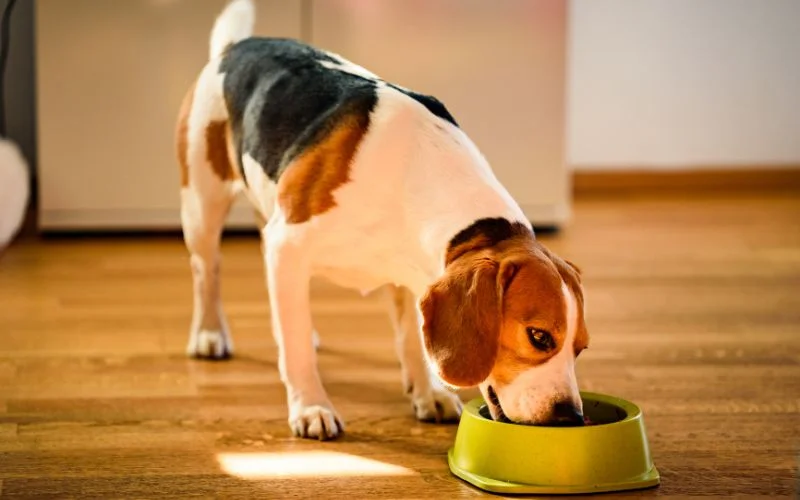
When it comes to dog nutrition, finding the right balance of nutrients is crucial. Fat is essential to a dog’s diet, providing energy and supporting various bodily functions. However, excessive fat intake can lead to obesity and related health issues in dogs like humans. Some common reasons for considering low-fat dog food include:
Medical Conditions
Dogs with certain medical conditions, such as pancreatitis or gastrointestinal issues, may require a low-fat diet. Excessive fat can exacerbate these conditions, causing discomfort and complications.
Weight Management
If your dog is overweight or prone to weight gain, a diet can help them shed excess pounds and maintain a healthy weight, reducing the risk of obesity-related health problems.
Aging Dogs
As dogs age, their metabolism may slow down, making it easier for them to gain weight. Dog food can be a good option to prevent weight gain while providing necessary nutrients.
Choosing the Best Low-Fat Dog Food
Now that we’ve established the importance of low-fat dog food, the next crucial step is selecting the best option for your beloved pet. With various brands and types of dog food available, making the right choice can be a bit overwhelming. However, you can confidently choose the ideal dog food by considering key factors and understanding your dog’s needs.
Understanding the Label
When choosing the best low-fat dog food for your furry companion, deciphering the information on the label is crucial. The label provides valuable insights into the nutritional content and quality of the dog food you’re considering. To make an informed decision, it’s essential to understand the key elements on the label:
- Fat Content: The primary factor to consider is the fat content. Ideally, it would be best to aim for dog food with a fat content of around 5-10% on a dry matter basis. Check the label for this information.
- Protein Content: Ensure that the dog food still provides adequate protein. Look for a protein content of at least 18-20% on a dry matter basis. Protein is essential for maintaining muscle mass and overall health.
- Ingredients: Check the ingredient list for high-quality, easily digestible ingredients. Avoid foods with excessive fillers, artificial additives, or by-products.
Types of Low-Fat Dog Food
When searching for the best low-fat dog food for your furry friend, you must be aware of the different types available. Each type of dog food serves specific purposes and caters to varying dietary requirements. Here, we’ll explore the three main types of dog food to help you make an informed decision for your beloved pet.
- Prescription Diets: If your dog has a specific medical condition that requires a low-fat diet, your veterinarian may recommend a prescription diet tailored to your pet’s needs.
- Commercial Low-Fat Dog Food: Many commercial dog food brands offer options. These can be suitable for dogs with mild dietary restrictions.
- Homemade Low-Fat Dog Food: If you prefer complete control over your dog’s diet, you can prepare homemade low-fat dog food. However, consulting with a veterinarian or canine nutritionist is crucial to ensure it meets your dog’s nutritional needs.
Blue Buffalo Basics Limited Ingredient Diet Grain-Free Natural Adult Dry Dog Food
- Fat Content: This dog food has a fat content of 10% on a dry matter basis.
- Protein Content: It provides 20% protein on a dry matter basis, promoting muscle health.
- Ingredients: Blue Buffalo prides itself on using high-quality, limited ingredients to minimize potential allergens.
Homemade Low-Fat Dog Food Recipes
Preparing homemade low-fat dog food can be rewarding for pet owners who want to take a hands-on approach to their dog’s nutrition. Homemade recipes give you complete control over the ingredients and ensure your furry friend gets the best meals possible. Here, we’ll provide a simple yet nutritious homemade low-fat dog food recipe to get you started.
Turkey and Sweet Potato Low-Fat Dog Food
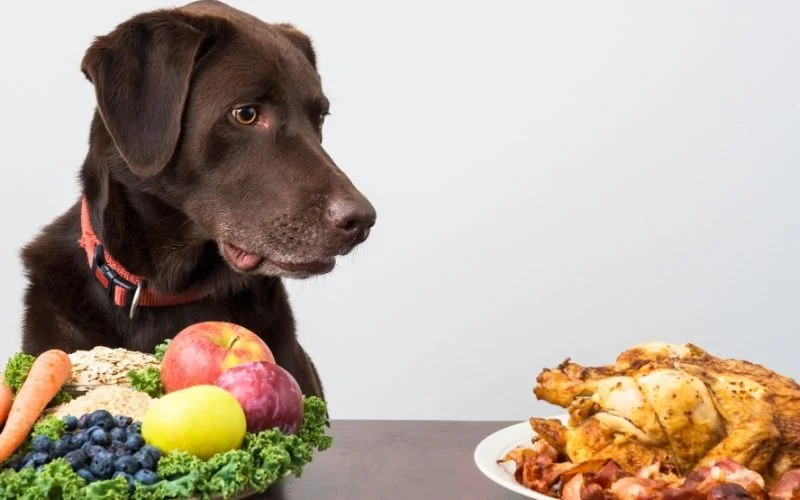
For pet owners looking to provide their furry friends with a homemade, dog food option, the Turkey and Sweet Potato recipe is a nutritious and easy-to-make choice that your dog will love.
Ingredients
- 2 cups of cooked, lean ground turkey
- 1 cup of cooked sweet potatoes, mashed
- 1/2 cup of cooked peas
- 1/2 cup of cooked carrots, diced
- 1/4 cup of low-sodium chicken broth
Instructions
- Combine all the ingredients in a large bowl.
- Mix thoroughly until well blended.
- Serve your dog an appropriate portion based on their size and dietary needs.
Conclusion
Choosing the best low-fat dog food is critical in ensuring your dog’s health and well-being. By understanding the importance of diet and selecting the right food, you can provide your furry friend with a balanced and nutritious meal that supports their specific needs. Consult your veterinarian for personalized guidance on your dog’s dietary requirements. Your pet can enjoy a healthy and happy life.
FAQs
1. Can I feed my dog low-fat human food?
While it’s possible to prepare low-fat homemade dog food, it’s essential to consult with a veterinarian or nutritionist to ensure it meets your dog’s specific dietary needs.
2. How do I transition my dog to a low-fat diet?
Gradually introduce the new low-fat food over several days, mixing it with their current food. This helps prevent digestive upset and allows your dog to adjust.
3. What are the signs of pancreatitis in dogs?
Signs of pancreatitis in dogs can include vomiting, diarrhea, abdominal pain, and loss of appetite. If you suspect your dog has pancreatitis, consult your vet immediately.
