

Can Dogs Eat Tomatoes? A Vet’s Guide to Safe Feeding
Can dogs safely eat tomatoes? It’s a simple enough question that might cause worry for pet parents whenever their furry friends are interested in this common kitchen staple. Where do tomatoes fit in the pallet of foods your dog can and cannot eat? Not all human foods are safe for canine consumption, but what about these juicy red fruits? Dive into our detailed guide, where we consult veterinary experts to comprehend the safety measures and potential benefits of feeding your dogs with tomatoes. Here’s the One-Stop Guide for understanding everything you need about dogs and tomatoes. The conclusion may surprise you!
Dogs can safely eat ripe red tomatoes in moderation as they are non-toxic and a good source of vitamins A and C. However, green parts of the tomato plant (stems, leaves, and unripe fruit) should be avoided as they contain harmful substances, such as solanine and tomatine, which can cause gastrointestinal upset or even tomatine poisoning in rare cases. It is best to keep ripe tomatoes out of reach from dogs and consider them an occasional treat rather than a regular part of their diet. If you have any concerns about your dog’s diet, it is always best to consult your veterinarian first.
Are Tomatoes Safe for Dogs?
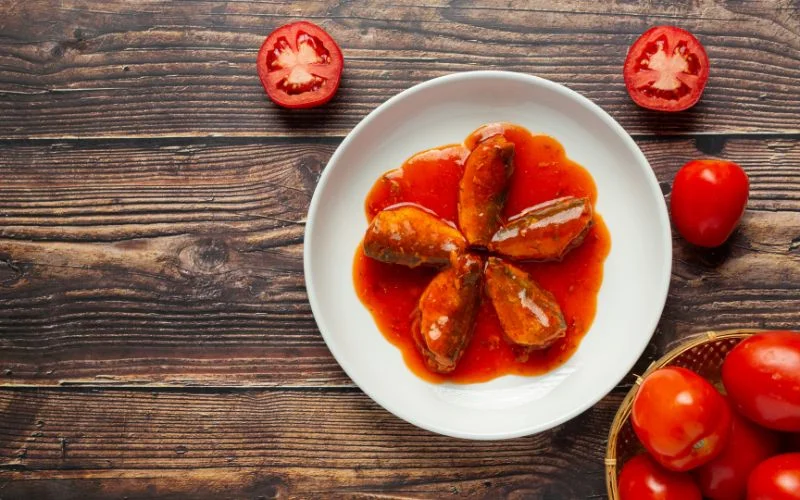
When feeding our furry friends, we must consider their dietary needs and the potential harm foods may pose.
Dogs can indeed eat ripe tomatoes in moderation without adverse effects. Ripe tomatoes contain minimal amounts of tomatine and solanine, harmful substances in green tomatoes and other nightshade plants. However, it’s important to note that while ripe tomatoes are generally considered non-toxic for dogs, excessive consumption can lead to stomach upsets.
We must also take into account individual variations among dogs. Some may prefer tomatoes or be attracted to their smell or taste. In contrast, others may not show interest or even dislike them entirely. It’s always best to observe your dog’s reactions when introducing new foods into their diet, including tomatoes.
Now, let’s explore the difference between ripe and unripe tomatoes and discuss which option is safer for our canine companions.
Ripe vs Unripe: Which is Safer?
With their vibrant colors and sweet flavors, ripe tomatoes are generally safer for dogs than unripe ones. This is because harmful substances like tomatine and solanine decrease as the tomato ripens. So, if you’re considering sharing a tomato treat with your furry friend, opting for fully ripe tomatoes is advisable.
You’re enjoying a delicious tomato salad on a sunny day, and your pup gives you those irresistible puppy eyes, hoping for a bite of that juicy red fruit. You share a small piece of ripe tomato with him as an occasional treat. It should be safe for your furry friend in moderation and without additives like seasonings or sauces.
On the other hand, unripe or green tomatoes should be avoided when feeding dogs. This is because unripe tomatoes contain higher concentrations of tomatine and solanine, which can harm dogs if ingested in large amounts. It’s important to remember that the stems and leaves of the tomato plant also contain higher levels of these substances. So, it’s best to fence off or keep green tomatoes, stems, and leaves out of your dog’s reach.
While ripe tomatoes may be safe for dogs in moderation, certain factors should be considered before incorporating them into your dog’s diet. In the next section, we’ll explore the toxic contents found in tomatoes and discuss precautions for dogs with specific health conditions.
- Ripe tomatoes are generally safe for dogs, but unripe or green ones should be avoided. Dogs should be fed fully ripe tomatoes without additives like seasonings or sauces. It’s important to keep green tomatoes, stems, and leaves out of a dog’s reach as they contain higher levels of harmful substances like tomatine and solanine. Before incorporating tomatoes into a dog’s diet, it’s important to consider factors such as toxicity and specific health conditions.
Toxic Contents in Tomatoes
While tomatoes may seem like a healthy and harmless snack for humans, it is crucial to understand that they can contain certain toxic components for dogs. One of these substances is solanine, which is in higher concentrations in green tomatoes, stems, and leaves. Solanine can cause gastrointestinal upset and discomfort in dogs if ingested in large amounts. Another harmful compound found in tomatoes is tomatine, which is also more prevalent in unripe or green tomatoes.
Green tomatoes should be avoided as they can potentially harm your furry friend due to the high levels of solanine and tomatine they contain. It’s essential to fence off or keep any green tomato parts, including stems and leaves, out of reach to prevent accidental consumption by your dog.
It’s important to note that ripe tomatoes are generally non-toxic for dogs. However, moderation is key even when feeding them ripe tomatoes as an occasional treat. Excessive consumption may lead to stomach upsets and discomfort for your canine companion.
Nutritional Benefits and Risks of Tomatoes for Dogs

Regarding the nutritional aspect of tomatoes for dogs, they offer some benefits but also come with potential risks. Tomatoes are rich in vitamins such as C, A, and K. These vitamins play essential roles in maintaining a dog’s overall health, immune system function, and proper blood clotting.
However, it’s important to consider that each dog is unique, and their tolerance to certain foods may vary. Some dogs may have sensitivities or allergies that could cause adverse reactions to tomatoes or other ingredients within them. Therefore, observing your dog closely after introducing tomatoes into their diet is crucial, and consult with a veterinarian if you notice any unusual symptoms.
On the other hand, tomatoes also contain a substance called lycopene, which acts as a powerful antioxidant. This antioxidant property can help protect against certain types of cancer and age-related diseases in dogs. Additionally, the high water content in tomatoes can aid in maintaining proper hydration levels.
It’s worth noting that while some dogs may enjoy the taste and texture of raw tomatoes, others may not find them appealing. Preferences can vary among dogs, and respecting their tastes is important.
For instance, consider Bella, an adventurous and food-loving Labrador Retriever who devours cherry tomatoes straight from the garden with delight. On the other hand, Max, a picky French Bulldog, wrinkles his nose at the mere sight of a tomato slice. Dogs’ preferences can be as unique as their personalities.
Vitamins in Tomatoes and Their Benefits
Tomatoes are a rich source of essential vitamins that can provide numerous health benefits to dogs. One key vitamin found in tomatoes is Vitamin C, vital in boosting the immune system. This vitamin can help dogs fight off infections and keep their overall health in check. By incorporating tomatoes into their diet in moderation, dogs can receive a natural boost of this crucial nutrient.
Additionally, tomatoes contain Vitamin A, important for maintaining healthy eyesight and promoting good skin health. Vitamin A also contributes to proper growth and development, making it particularly beneficial for young and growing dogs.
Another vitamin in tomatoes is Vitamin K, which aids blood clotting and helps maintain bone health. This vitamin is essential for ensuring proper blood circulation and preventing excessive bleeding, even from minor injuries.
Furthermore, tomatoes contain B vitamins such as B6, niacin, folate, and thiamin. These vitamins contribute to energy production, support brain function, and promote proper cell growth and division.
Think of tomatoes as a nutrient-packed superfood bouquet tailored for your furry companion’s well-being. Just like humans benefit from their richness in essential vitamins, dogs can reap the rewards, too.
It’s important to note that while tomatoes offer these beneficial vitamins, they should be given to dogs in moderation as part of a balanced diet. Excessive consumption of any food can lead to undesirable consequences.
Now that we understand tomatoes’ vitamin content and potential benefits for dogs let’s look at what parts of the tomato are safe for our canine friends to consume.
What Parts of the Tomato Can Dogs Eat?
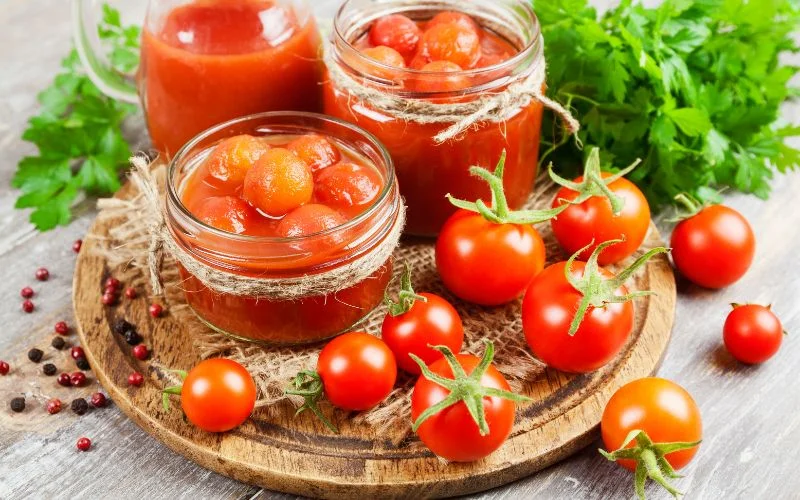
When it comes to feeding your dog tomatoes, knowing which parts are safe for them to consume is crucial. Ripe tomatoes themselves are generally safe for dogs to eat in moderation. The flesh of ripe tomatoes contains essential vitamins and nutrients that can provide some health benefits to your furry friend. However, it’s important to note that excessive consumption may cause stomach upsets in some dogs, so it’s best to introduce tomatoes gradually and observe how your dog responds.
The stems and leaves of the tomato plant contain higher concentrations of substances like solanine and tomatine, which can be toxic to dogs if consumed in large amounts. It is best to keep green tomatoes, stems, and leaves fenced off or out of reach from dogs.
Imagine a scenario where your curious pup ventures into your backyard garden and chomps down on unripe tomatoes or starts chewing on tomato leaves. This could lead to gastrointestinal issues and even tomatine poisoning in rare cases.
- A study published in the Journal of Veterinary Diagnostic Investigation found that solanine poisoning, which can occur from dogs eating too many unripe tomatoes, is rare, with only a handful of reported cases yearly.
- According to The American Society for the Prevention of Cruelty to Animals (ASPCA), tomatoes are listed as human foods that can harm pets. However, this risk primarily pertains to green tomatoes and parts of the tomato plant.
- A Pet Food Manufacturers‘ Association survey found that 8% of dog owners occasionally fed their pets fruits and vegetables, including tomatoes, without significant health risks reported.
Symptoms of Tomatine Poisoning in Dogs
Tomatoes are a delicious and nutritious fruit that many of us enjoy in our meals. While ripe tomatoes pose minimal risks to dogs when consumed in moderation, green tomatoes and the stems and leaves of the plant contain higher concentrations of these toxic compounds.
In rare cases where dogs consume excessive amounts of green tomato parts, they may experience symptoms associated with tomatine poisoning. These symptoms can vary depending on the individual dog’s sensitivity and the amount ingested. Dog owners must recognize these signs promptly to seek veterinary care if necessary.
Tomatine Poisoning
Dogs may experience vomiting, diarrhea, or both, accompanied by abdominal discomfort. Watch for changes in your dog’s bowel movements or signs of distress after consuming tomatoes or parts of the tomato plant. If you notice persistent vomiting or diarrhea that does not subside within a day or two, it is advisable to consult with your veterinarian.
Another symptom that may manifest in dogs with tomatine poisoning is drooling and increased salivation. This excessive drooling can respond to the body’s attempt to eliminate the harmful substances ingested. Pay attention to any abnormal saliva production in your dog, especially if it is accompanied by other symptoms or behaviors like reluctance to eat or drink.
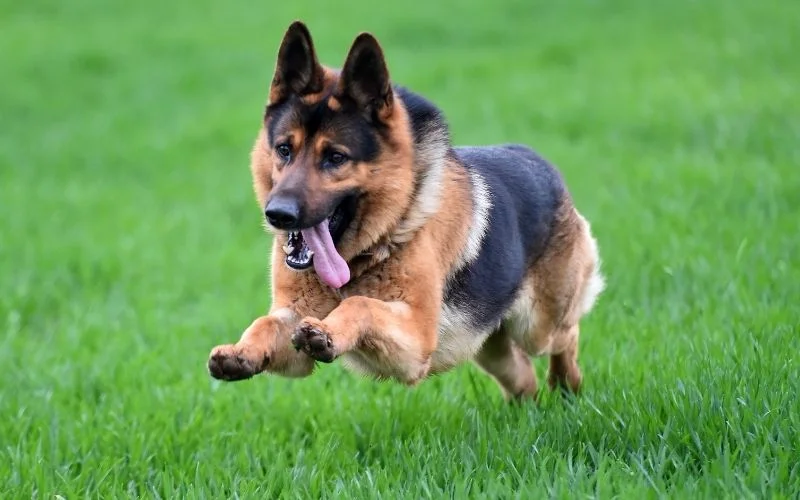
In some cases, dogs with tomatine poisoning may exhibit weakness or lethargy. They may appear tired and lack energy, potentially reluctant to engage in normal activities or exercise.
It’s important to note that these symptoms can indicate various other health issues, so it’s essential to consider them within the context of tomato consumption. If your dog displays any of these symptoms and you suspect tomatine poisoning, it is best to consult a veterinarian for a proper diagnosis and appropriate treatment.
Remember, every dog is unique, and individual tolerance to tomato consumption may vary. Some dogs may not exhibit any adverse reactions even after consuming small amounts of green tomatoes or parts of the plant, while others may be more sensitive. It’s always best to err on the side of caution and limit your dog’s access to unripe or green tomatoes and the potentially toxic components of the plant.
FAQs
1. Can tomatoes cause any negative effects in dogs if consumed regularly?
Regular consumption of tomatoes can potentially cause negative effects in dogs. While tomatoes are generally safe for dogs, they contain solanine and tomatine, which are toxic in large quantities. These compounds can lead to symptoms like gastrointestinal upset, muscle weakness, and even cardiac issues. Additionally, some dogs may have an allergic reaction to tomatoes. It is best to consult with a vet regarding the appropriate amount and frequency of tomato consumption for your dog’s needs.
2. What parts of the tomato are safe for dogs to consume?
Dogs can safely consume ripe tomatoes in moderation, but removing the stems, leaves, and green parts is important as they contain harmful compounds like solanine. The flesh of a ripe tomato is generally safe for dogs and can provide some nutritional benefits like vitamins A and C. However, excessive consumption may cause digestive upset due to the high acidity content of tomatoes. So, it’s best to consult your veterinarian about incorporating tomatoes into your dog’s diet.
3. Are there specific breeds of dogs that should avoid eating tomatoes altogether?
While tomatoes are generally safe for dogs in small amounts, certain breeds may be more prone to tomato-related issues. Brachycephalic breeds with shorter muzzles, such as Bulldogs and Pugs, are more susceptible to gastrointestinal problems caused by acidic foods like tomatoes. Dogs with a history of kidney issues or allergies may also need to avoid tomatoes. It is always advisable to consult with your veterinarian before introducing new food to your dog’s diet.
4. Are there any health benefits for dogs in eating tomatoes?
Yes, there are health benefits for dogs in eating tomatoes. Tomatoes are a good source of vitamins A and C, which support overall immune health and vision. They also contain antioxidants such as lycopene, which can help reduce the risk of certain cancers. However, it’s important to note that dogs should only consume ripe tomatoes in moderation, as unripe or green tomatoes can cause upset stomachs due to their higher levels of solanine.
