

Low-Fat Dog Food Options: A Guide to Keeping Your Pup Healthy
When it comes to our furry friends, we all want what’s best for them. We shower them with love, take them on long walks, and give them belly rubs.
But what about their diet? Like humans, dogs need a balanced and nutritious diet to stay healthy and happy. And for some dogs, that means a low-fat dog food option.
Low-fat dog food has gained popularity recently as pet owners become more conscious of their dog’s health.
Whether your pup needs to shed a few pounds or has a sensitive stomach, plenty of options are available to cater to their needs.
So, what exactly is low-fat dog food? It’s a specialized dog food formulated to be lower in fat than regular dog food.
These options typically contain lean proteins, whole grains, and a variety of fruits and vegetables. They provide all the necessary nutrients while keeping the fat content in check.
One of the key benefits of low-fat dog food is weight management. Like humans, dogs can struggle with weight gain, leading to various health issues.
Opting for a low-fat diet can help your pup maintain a healthy weight and reduce the risk of obesity-related problems.
But weight management is not the only reason to consider low-fat dog food. Some dogs have sensitive stomachs that can’t tolerate high-fat diets.
These dogs may experience digestive issues such as diarrhea or vomiting. Switching to a low-fat option can alleviate these problems and promote better digestion.
In addition, low-fat dog food can also benefit dogs with certain health conditions, such as pancreatitis or liver disease.
These conditions often require a restricted fat intake to prevent further complications. Low-fat dog food can provide the necessary nutrition while minimizing the strain on their organs.
This guide will explore low-fat dog food options, from homemade recipes to commercial brands.
We’ll explore the benefits, potential drawbacks, and tips for transitioning your dog to a low-fat diet. So, grab a coffee and dive into low-fat dog food options. Your pup will thank you!
What Are the Benefits of Low-Fat Dog Food?
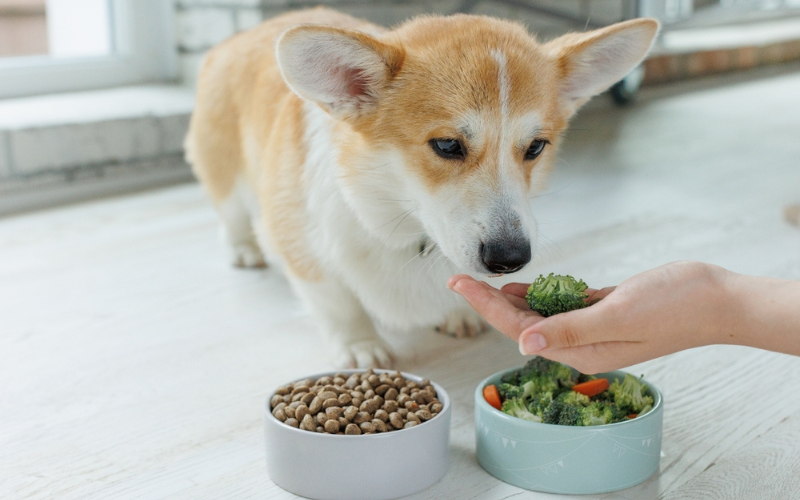
Low-fat dog food options have become increasingly popular among pet owners looking to improve their furry friend’s health and well-being.
But what are the actual benefits of feeding your dog a low-fat diet? In this article, we will explore the advantages of low-fat dog food and why it might be a good choice for your canine companion.
One of the main benefits of low-fat dog food is weight management. Like humans, dogs can become overweight or obese if they consume too many calories.
By opting for a low-fat diet, you can help your dog maintain a healthy weight and reduce the risk of obesity-related health issues such as diabetes and joint problems.
Another advantage of low-fat dog food is improved digestion. Dogs with sensitive stomachs or gastrointestinal issues can benefit from a low-fat diet, which is easier to digest.
This can reduce digestive problems like diarrhea, vomiting, and gas, leading to a happier and healthier pup.
Furthermore, low-fat dog food can benefit dogs with certain health conditions. For instance, dogs with pancreatitis or liver disease often require a low-fat diet to manage their symptoms and prevent further complications.
Additionally, low-fat dog food can benefit dogs with allergies, as it often contains fewer potential allergens.
In conclusion, low-fat dog food offers numerous benefits for your furry friend. From weight management to improved digestion and support for specific health conditions, choosing a low-fat diet can help your dog live a healthier and happier life.
Consult your veterinarian to determine if a low-fat dog food option suits your pet’s needs.
How to Choose the Best Low-Fat Dog Food?

When choosing the best low-fat dog food for your furry friend, there are a few key factors to consider. With so many options available on the market, it can be overwhelming to make the right choice.
However, by keeping a few things in mind, you can ensure that you provide your dog with a healthy and balanced diet.
First and foremost, it’s important to look for dog food labeled as “low-fat.” These products are formulated to have reduced fat content, which is important for dogs prone to weight gain or having certain health conditions. Look for options with a fat content of around 10% or less.
Next, take a look at the ingredients list. Opt for dog food that is made with high-quality, natural ingredients.
Avoid products that contain fillers, by-products, or artificial additives. Instead, look for options that include lean protein sources, such as chicken or fish, and healthy carbohydrates, like sweet potatoes or brown rice.
Consider your dog’s specific needs and any dietary restrictions they may have. If your dog has allergies or sensitivities, look for a low-fat food specifically formulated to address these issues. Also, consult your veterinarian to ensure you choose a dog food that meets your dog’s nutritional requirements.
Lastly, don’t forget to consider your budget. While providing your dog with a high-quality diet is important, choosing a food that fits your budget is also important. Many affordable options still provide the necessary nutrients for your dog’s health.
Following these tips, you can choose the best low-fat dog food for your furry friend. Always consult your veterinarian for personalized recommendations based on your dog’s needs.
Can All Dogs Eat Low-Fat Dog Food?
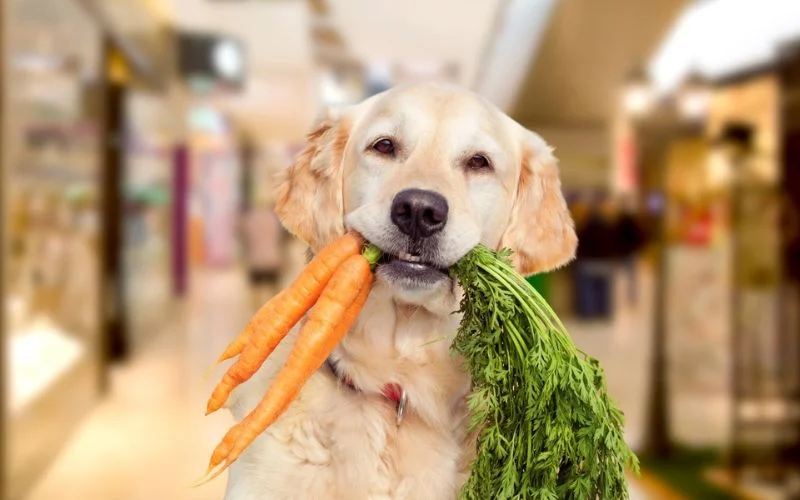
When it comes to the health and well-being of our furry friends, choosing the right dog food is crucial. Low-fat dog food options can be great for dogs that need to watch their weight or have specific dietary requirements. But can all dogs eat low-fat dog food? Let’s explore this question further.
Low-fat dog food is designed to provide the necessary nutrients while reducing fat content. It can benefit dogs prone to weight gain or have certain health conditions like pancreatitis or gastrointestinal issues. However, not all dogs may require a low-fat diet.
It’s important to consider your dog’s needs and consult a veterinarian before making any dietary changes. Some dogs may have specific dietary restrictions or allergies that need to be considered.
Additionally, puppies, working dogs, or highly active dogs may require a higher fat content in their diet to meet their energy needs.
Transitioning to a low-fat dog food should be done gradually to avoid any digestive upset. Start by mixing small amounts of the new food with the old food and gradually increase the ratio over a week or two. Monitor your dog’s weight, overall health, and energy levels during this transition period.
It’s also worth noting that low-fat dog food options vary in ingredients and quality. Find reputable brands that use high-quality protein sources and avoid fillers or artificial additives. Reading the labels and understanding the nutritional information can help you make an informed decision.
In conclusion, while low-fat dog food can benefit some dogs, it may not suit all. Consulting with a veterinarian and considering your dog’s individual needs is essential. Remember, every dog is unique, and what works for one may not work for another.
What Are the Recommended Low-Fat Dog Food Brands?
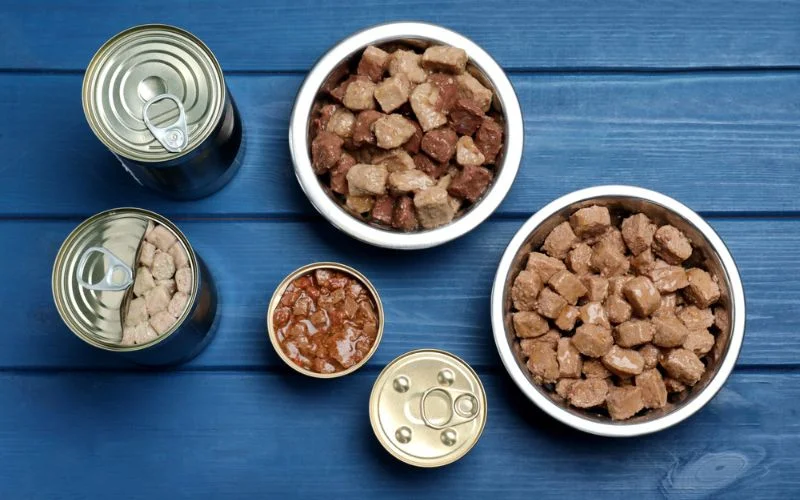
When it comes to our furry friends, we want to provide them with the best nutrition possible. Choosing the right dog food brand is important for dogs requiring a low-fat diet. This article will explore some of the recommended low-fat dog food options today.
One popular brand that offers low-fat dog food is Blue Buffalo. Their Wilderness Healthy Weight recipe is specifically formulated for dogs that need to maintain a healthy weight.
It is made with real chicken, which provides a high-quality source of protein and contains no artificial preservatives or flavors. With a balanced blend of nutrients, this dog food is designed to support your dog’s overall health and well-being.
Another great option is Hill’s Science Diet. Their Perfect Weight formula is ideal for dogs that need to shed a few pounds.
It is made with real chicken as the main ingredient and is packed with essential vitamins and minerals. This low-fat dog food helps dogs maintain a healthy weight while providing them with all the necessary nutrients.
If you’re looking for a grain-free option, Wellness CORE is a brand worth considering. Their Reduced Fat recipe is made with high-quality proteins like turkey and chicken and a blend of fruits and vegetables.
This low-fat dog food is grain-free, making it a great choice for dogs with food sensitivities or allergies.
Purina Pro Plan offers a low-fat dog food option for pet owners on a budget. Their SAVOR Weight Management formula is formulated with real chicken and rice, providing a balanced diet for dogs that need to lose weight. It also contains omega-6 fatty acids to promote healthy skin and coat.
In conclusion, when it comes to choosing a low-fat dog food brand, several options are available.
Whether you prefer Blue Buffalo, Hill’s Science Diet, Wellness CORE, or Purina Pro Plan, finding a brand that meets your dog’s specific dietary needs is important. Remember to consult with your veterinarian before changing your dog’s diet.
Are Homemade Low-Fat Dog Food Recipes Safe?

Many dog owners turn to homemade low-fat dog food recipes when providing the best nutrition for their furry friends. But are these recipes safe for our dogs? Let’s take a closer look.
One of the main concerns with homemade dog food is ensuring that it meets all of the dog’s nutritional needs.
Dogs require a balanced diet with enough protein, carbohydrates, fats, vitamins, and minerals. It can be challenging to achieve this balance when creating homemade recipes, especially if you’re not a veterinary nutritionist.
However, careful planning and research can create safe, nutritious, low-fat dog food at home.
The key is to consult with a veterinarian or a veterinary nutritionist to ensure the recipes meet your dog’s dietary requirements. They can help you determine the appropriate portion sizes and ingredients to include.
Another important consideration is the quality and safety of the ingredients used in homemade dog food. Using fresh, high-quality ingredients and avoiding potentially harmful substances is crucial. This includes avoiding ingredients that are toxic to dogs, such as onions, garlic, and certain spices.
Additionally, it’s essential to properly store and handle homemade dog food to prevent bacterial contamination.
This means refrigerating or freezing leftovers promptly and washing all utensils and surfaces used in preparation.
While homemade low-fat dog food can be a healthy option, it’s important to remember that not all dogs have the same dietary needs.
Some dogs may require a specialized diet due to health conditions or allergies. Consulting with a veterinarian is crucial to ensure the homemade recipes are appropriate for your dog’s needs.
In conclusion, homemade low-fat dog food recipes can be safe and nutritious for your furry friend. Still, consulting with a veterinary professional is essential to ensure that the recipes meet your dog’s specific dietary requirements.
Taking the necessary precautions and using high-quality ingredients can provide your dog with a healthy and delicious low-fat diet.
How to Transition a Dog to a Low-Fat Diet?
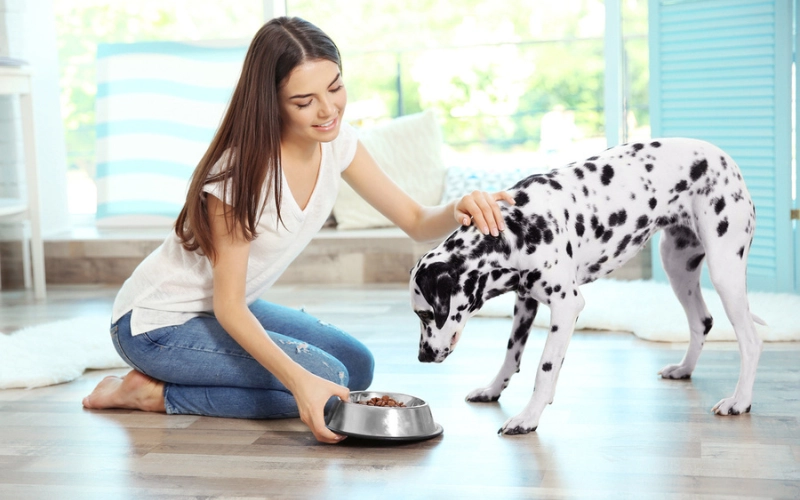
Transitioning your dog to a low-fat diet can be a beneficial step toward their overall health and well-being.
Whether your dog needs to lose weight or has specific dietary requirements, making this change can positively impact their life. Here are some tips on successfully transitioning your dog to a low-fat diet.
Firstly, it’s important to consult with your veterinarian before making any dietary changes for your dog. They can guide your dog’s nutritional needs and recommend suitable low-fat options. This ensures that your dog’s transition is safe and effective.
When starting the transition, it’s best to do it gradually. Sudden dietary changes can cause digestive upset for your dog.
Mix a small amount of the new low-fat dog food with their regular food. Over a week or two, gradually increase the proportion of the fresh food while decreasing the old food. This allows your dog’s digestive system to adjust to the new diet without discomfort.
During the transition, monitor your dog’s weight and overall health. If you notice any changes, such as excessive weight loss or gain, consult your veterinarian for further guidance.
They may need to adjust the portions or recommend additional dietary supplements to ensure your dog gets all the necessary nutrients.
It’s also important to provide your dog with plenty of fresh water throughout the transition process. Staying hydrated is crucial for their overall health, and it can aid in digestion as well.
In conclusion, transitioning your dog to a low-fat diet requires careful planning and monitoring. Consulting with your veterinarian and following a gradual transition process can ensure a smooth and successful change in your dog’s diet.
Remember to prioritize your dog’s health and well-being throughout the transition and seek professional advice when needed.
Can Low-Fat Dog Food Help with Weight Loss?

When it comes to our furry friends, we want nothing but the best for them. Like humans, dogs can struggle with weight issues, and finding the right diet is crucial. One option that many pet owners consider is low-fat dog food. But can it help with weight loss?
Low-fat dog food is specifically formulated to provide all the necessary nutrients while reducing the fat content. It aims to promote weight loss and maintain a healthy weight for your canine companion.
These types of dog food often contain high-quality protein sources and fiber to help your dog feel full and satisfied.
One of the main benefits of low-fat dog food is its ability to control calorie intake. By reducing the fat content, the overall calorie count is also reduced.
This is important because weight loss occurs when the calories consumed are fewer than burned. Low-fat dog food can help create a calorie deficit, leading to gradual and healthy weight loss.
Additionally, low-fat dog food can benefit dogs with certain health conditions. Obesity in dogs can lead to various health problems, such as joint issues, diabetes, and heart disease. You can help manage these conditions and improve their well-being by feeding them a low-fat diet.
However, it’s important to note that low-fat dog food is not a magic solution. Weight loss in dogs requires a comprehensive approach, including regular exercise and portion control. It’s always best to consult your veterinarian before significantly changing your dog’s diet.
In conclusion, low-fat dog food can be a helpful tool in your dog’s weight loss journey. It provides a balanced and nutritious option while reducing calorie intake.
Remember to combine it with exercise and portion control for the best results. Your furry friend will thank you for helping them achieve a healthier weight and a better quality of life.
Are There Any Side Effects of Low-Fat Dog Food?

When it comes to the health and well-being of our furry friends, choosing the right dog food is crucial.
Many pet owners choose low-fat dog food options to help their dogs maintain a healthy weight and prevent obesity-related health issues. But are there any side effects of feeding your dog low-fat dog food? Let’s take a closer look.
One potential side effect of low-fat dog food is a lack of essential nutrients. Fat is an important source of energy for dogs, and by reducing the fat content in their diet, you may inadvertently deprive them of the power they need to stay active and healthy.
It’s important to ensure that your dog’s low-fat diet still provides all the necessary nutrients, such as proteins, vitamins, and minerals, to support their overall health.
Another possible side effect is a decrease in palatability. Low-fat dog food sometimes lacks the rich flavors and aromas that dogs find enticing. This might make your dog less interested in their meals, leading to a decreased appetite.
To combat this, add small amounts of low-sodium broth or natural flavor enhancers to make the food more appealing to your furry friend.
Additionally, some dogs may experience digestive issues when transitioning to a low-fat diet. Sudden changes in diet can cause gastrointestinal upset, including diarrhea or constipation.
To minimize these side effects, it’s recommended to gradually introduce the new low-fat dog food by mixing it with their current food over some time.
In conclusion, while low-fat dog food can benefit dogs that need to lose or maintain a healthy weight, it’s important to be aware of the potential side effects.
Ensuring your dog’s diet is balanced and contains all the necessary nutrients, making the food palatable, and gradually transitioning them to the new diet can help minimize any adverse effects. Always consult your veterinarian before making significant changes to your dog’s diet.
Conclusion
Exploring low-fat dog food options can benefit you and your furry friend. Throughout this post, we have discussed various key points related to the keyword “Low-Fat Dog Food Options.”
We started by highlighting the benefits of low-fat dog food, emphasizing how it can contribute to your dog’s overall health and well-being.
We then delved into choosing the best low-fat dog food, providing valuable tips to ensure you make an informed decision.
Furthermore, we addressed the common concern of whether all dogs can eat low-fat dog food. While most dogs can benefit from a low-fat diet, it is crucial to consult your veterinarian to determine if it suits your specific dog’s needs.
We recommended several trusted and reputable options to assist you in your search for the best low-fat dog food brands.
However, it is essential to note that homemade low-fat dog food recipes may not always be safe, as they may lack the necessary nutrients. Consulting with a veterinary nutritionist is always a wise choice.
Additionally, we discussed transitioning your dog to a low-fat diet, providing step-by-step guidance to ensure a smooth transition.
We also touched on the potential of low-fat dog food to aid in weight loss, highlighting its effectiveness as part of a comprehensive weight management plan.
Lastly, we addressed the potential side effects of low-fat dog food, emphasizing the importance of monitoring your dog’s health and consulting with a veterinarian if any issues arise.
As we move forward, staying informed about future developments or trends in low-fat dog food options is important.
New brands may emerge, and advancements in nutrition science may lead to even more tailored options for our furry companions.
Thank you for taking the time to read this post. We encourage you to leave any comments or feedback, as your input is valuable to us.
Remember, your dog’s health is a priority, and exploring low-fat dog food options is a step towards providing them with a happy and healthy life.
