

Dog Food Ingredients: Secrets Behind Your Furry Friend’s Meal
When it comes to our beloved canine companions, their health and well-being are always on our minds. As responsible pet owners, we strive to provide the best possible care, including choosing the right food for their nourishment.
But have you ever wondered what goes into making your dog’s food? What ingredients make up those kibbles and treats they devour with such gusto?
This article delves into the fascinating world of dog food ingredients, shedding light on what goes into your furry friend’s meal. From the essential nutrients they need to thrive to the controversial additives that raise eyebrows, we aim to uncover the secrets behind the ingredients that make up your dog’s diet.
As you embark on this exploration, be prepared to uncover a plethora of information to help you make informed choices regarding feeding your four-legged friend.
We will discuss the importance of high-quality proteins, such as chicken, beef, and fish, which serve as the building blocks for your dog’s muscles and overall growth.
But it’s not just about proteins. We’ll also dive into carbohydrates, exploring the benefits of whole grains and vegetables that give your dog the energy they need to chase their tails and explore the great outdoors.
Additionally, we’ll explore the role of healthy fats and oils in promoting a shiny coat and supporting brain function.
Furthermore, we’ll take a closer look at the controversial additives often found in commercial dog food. Are preservatives really necessary? What about artificial colors and flavors? Join us as we navigate these hot-button topics and separate fact from fiction.
So, get ready to embark on a journey of discovery as we unravel the mysteries of dog food ingredients. From the basic building blocks to the controversial additives, we’ll provide you with the knowledge you need to make informed decisions about your furry friend’s diet.
Stay tuned for the upcoming chapters, where we delve deeper into the fascinating world of dog food and its impact on your dog’s health and happiness.
What Are the Common Ingredients in Dog Food?
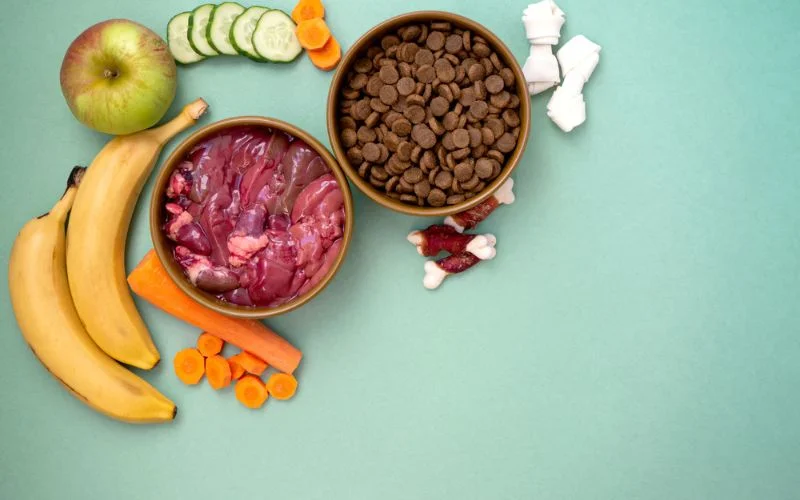
Understanding the ingredients is crucial when choosing dog food for your furry friend. A well-balanced diet is essential for your dog’s overall health and well-being. So, what are the common elements you should look for in dog food?
Protein: Dogs are carnivores by nature, so a high-quality source of protein should be the primary ingredient in their food. Look for ingredients like chicken, beef, fish, or lamb.
Whole Grains: While dogs primarily need protein, they also benefit from carbohydrates. Whole grains like brown rice, oats, and barley provide essential nutrients and fiber.
Fruits and Vegetables: Like humans, dogs can benefit from the vitamins and minerals in fruits and vegetables. Look for ingredients like sweet potatoes, carrots, peas, and blueberries.
Healthy Fats: Fats are an important energy source and help with nutrient absorption. Look for ingredients like salmon oil or flaxseed, which provide omega-3 fatty acids for a shiny coat and healthy skin.
Natural Preservatives: Natural preservatives like tocopherols (vitamin E) or ascorbic acid (vitamin C) are commonly used to ensure the food stays fresh.
Avoid Fillers and Artificial Additives: It’s best to avoid dog foods that contain fillers like corn, wheat, or soy, as they offer little nutritional value. Additionally, artificial colors, flavors, and preservatives should be avoided.
Remember, every dog is unique, and their dietary needs may vary. Consult your veterinarian to determine the best dog food for your furry friend. Choosing dog food with high-quality ingredients ensures your dog receives the nutrition it needs to live a long and healthy life.
Sources:
– www.akc.org
– www.petmd.com
– www.hillspet.com
Are There Any Harmful Ingredients in Dog Food?

When it comes to our furry friends, we want to ensure that we provide them with the best nutrition possible. One important aspect of their diet is the ingredients found in their dog food. But are there any harmful ingredients lurking in their meals?
Many dog owners may be surprised to learn that some foods contain potentially harmful ingredients. One such ingredient is artificial preservatives.
These are often added to extend the shelf life of the food, but they can negatively affect our dogs’ health. Common artificial preservatives to watch out for include BHA, BHT, and ethoxyquin.
Another concerning ingredient is artificial colors. While they may make the food more visually appealing, these colors serve no nutritional purpose for our dogs and can even cause allergic reactions in some pets. Look for dog foods that use natural colorings instead.
In addition, some dog foods contain by-products. These are the leftovers from the meat industry, such as organs, bones, and feathers. While they may not be harmful in small quantities, excessive by-products can lead to an unbalanced diet for our pets.
Furthermore, grains are a common ingredient in many dog foods, but they can be problematic for some dogs. Grain allergies are common and can cause digestive issues and skin problems. Choosing a grain-free dog food is important if your dog has a grain allergy.
In conclusion, dog owners must know the ingredients in their pet’s food. Artificial preservatives, colors, by-products, and grains can all negatively affect our dogs’ health.
We can ensure our furry friends get the nutrition they need to thrive by choosing dog foods free from these potentially harmful ingredients.
What Are the Benefits of Natural Ingredients in Dog Food?

When choosing the right dog food for your furry friend, it’s important to consider the ingredients. Natural ingredients can provide numerous benefits for your dog’s health and well-being. This article will explore the advantages of incorporating natural elements into your dog’s diet.
Natural ingredients’ main benefits are that they are free from artificial additives and preservatives. Many commercial dog foods contain synthetic ingredients that can harm your dog’s health. Opting for natural ingredients ensures your dog gets a wholesome and nutritious meal without any unnecessary additives.
Natural ingredients are also known to be more easily digestible for dogs. They contain high-quality proteins and carbohydrates to support your dog’s digestion and overall gut health. This can improve nutrient absorption and reduce digestive issues such as gas and bloating.
Furthermore, natural ingredients often provide a wide range of essential nutrients for your dog’s overall health. For example, fruits and vegetables are rich in vitamins, minerals, and antioxidants, boosting your dog’s immune system and promoting a healthy coat and skin.
In addition, natural ingredients can help address specific dietary needs or health concerns. For instance, if your dog has allergies or sensitivities, choosing a dog food with limited ingredients and natural sources can help alleviate their symptoms.
Incorporating natural ingredients into your dog’s diet can benefit its health and wellbeing. Providing them with a wholesome and nutritious meal ensures they receive the essential nutrients they need to thrive.
So, next time you shop for dog food, check the ingredients and opt for natural choices that support your dog’s overall health.
What Are the Most Nutritious Ingredients for Dogs?
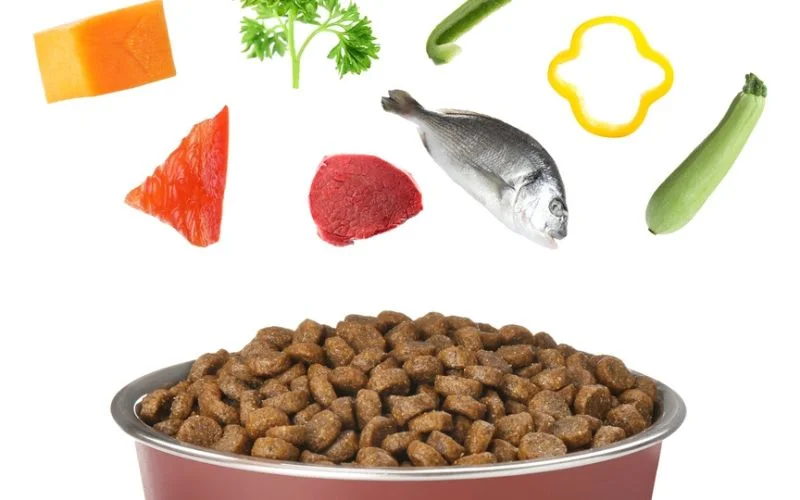
When choosing the best dog food for your furry friend, it’s important to consider the ingredients. Like humans, dogs require a balanced diet to stay healthy and thrive. So, what are the most nutritious ingredients for dogs?
One of the key ingredients to look for in dog food is high-quality animal protein. This can come from chicken, beef, fish, or lamb. Animal protein is essential for maintaining strong muscles and promoting dog growth and development.
In addition to animal protein, carbohydrates are also important for dogs. Look for dog foods that contain whole grains, like brown rice or oats. These carbohydrates provide energy and help support a healthy digestive system.
Fruits and vegetables are another important component of a nutritious dog food. They provide essential vitamins, minerals, and antioxidants that can help boost your dog’s immune system and overall health. Some common fruits and vegetables in dog food include sweet potatoes, carrots, peas, and blueberries.
Healthy fats are also crucial for dogs. Look for dog foods containing omega-3 and omega-6 fatty acids, such as fish oil or flaxseed. These fats promote healthy skin and a shiny coat and support brain function.
Lastly, avoiding artificial additives and preservatives in dog food is important. These can be harmful to your dog’s health. Instead, choose dog foods made with natural ingredients and minimal processing.
In conclusion, the most nutritious ingredients for dogs include high-quality animal protein, carbohydrates from whole grains, fruits and vegetables, healthy fats, and natural ingredients.
By choosing dog food containing these ingredients, you can ensure your furry friend gets the nutrition they need to live a happy and healthy life.
Are There Any Ingredients That Dogs Should Avoid?

When choosing the right dog food for your furry friend, paying attention to the ingredients is important. Just like humans, dogs can have allergies or sensitivities to certain foods. So, are there any ingredients that dogs should avoid?
One common ingredient that can be harmful to dogs is artificial preservatives. These are often added to dog food to extend its shelf life but can negatively affect your pet’s health.
Some artificial preservatives, such as BHA and BHT, have been linked to dog cancer. It’s best to look for dog foods that use natural preservatives like vitamin E or rosemary extract instead.
Another ingredient to watch out for is artificial colors and flavors. While these may make the food more appealing to humans, they can be unnecessary and potentially harmful for dogs.
Some artificial colors have been linked to allergies and hyperactivity in dogs. It’s best to opt for dog foods that use natural colors and flavors, or even better, no added colors or flavors.
Grains are another controversial ingredient in dog food. While some dogs can tolerate grains without issues, others may have allergies or sensitivities.
Common grains like wheat, corn, and soy are often used as fillers in dog food, but they can cause digestive problems in some dogs. A grain-free dog food is best if your dog has a grain allergy or sensitivity.
In conclusion, there are certain ingredients that dogs should avoid in their food. Artificial preservatives, colors, and flavors can harm your pet’s health. Additionally, some dogs may have allergies or sensitivities to grains.
By carefully reading the ingredient list and choosing high-quality dog food, you can ensure your furry friend gets the nutrition they needs without harmful ingredients.
What Are the Protein Sources in Dog Food?

When choosing the right dog food for your furry friend, protein content is one of the most important factors. Protein is an essential nutrient for dogs as it helps support their overall health and well-being.
But have you ever wondered where the protein in dog food comes from? Let’s look at the protein sources commonly found in dog food.
Meat: The primary source of protein in dog food is usually meat. This can include chicken, beef, lamb, or fish. These animal-based proteins are highly digestible for dogs and provide them with the essential amino acids for muscle development and repair.
Poultry By-Products: Poultry by-products, such as chicken or turkey liver, hearts, and kidneys, are also used as protein sources in dog food. While some may consider these ingredients less desirable, they are still nutrient-rich and valuable to a balanced diet.
Plnt-Based Proteins: In recent years, there has been a rise in the popularity of plant-based proteins in dog food. Ingredients like peas, lentils, and chickpeas are often included to provide an alternative protein source for dogs with specific dietary needs or allergies.
Eggs: Eggs are another excellent source of protein for dogs. They are highly digestible and contain all the essential amino acids. Eggs are often included in dog food formulas to boost protein.
Supplements: Some dog foods may include protein supplements, such as whey or soy protein isolate. These supplements are added to enhance the protein content of the food and provide additional amino acids.
In conclusion, the protein sources in dog food can vary, but the most common ones include meat, poultry by-products, plant-based proteins, eggs, and protein supplements.
Choosing a dog food that provides a balanced and complete protein profile to meet your dog’s nutritional needs is important. Always consult your veterinarian to determine the best protein sources for your dog’s breed and age.
Are There Any Allergenic Ingredients in Dog Food?
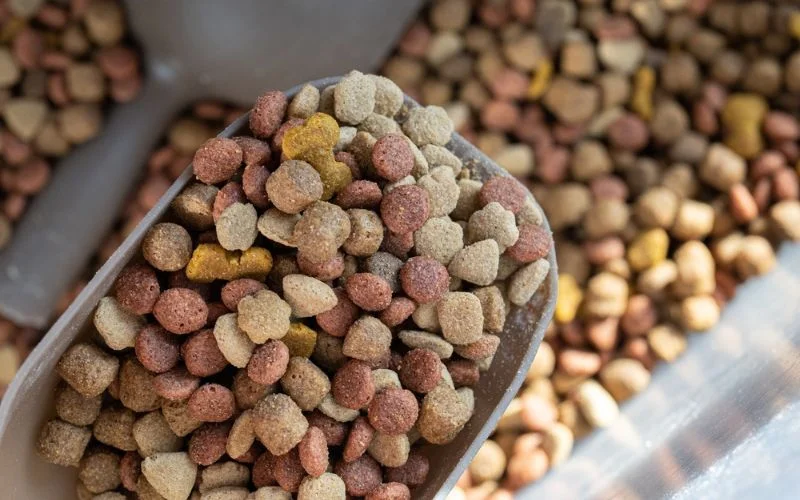
When choosing the right dog food for your furry friend, it’s important to consider the ingredients. One crucial factor to remember is the potential for allergenic ingredients that could cause discomfort or health issues for your dog.
In this article, we will explore the topic of allergenic ingredients in dog food and provide you with the information you need to make an informed decision.
One common allergenic ingredient found in dog food is grains. Wheat, corn, and soy are often used as fillers in commercial dog food, but they can trigger allergies in some dogs.
A grain-free diet may be worth considering if your dog experiences itching, digestive issues, or skin problems.
Another potential allergenic ingredient is meat. While dogs are primarily carnivorous, certain types of meat can cause allergies in some dogs. Beef, chicken, and dairy products are among the most common culprits.
If you suspect that your dog may be allergic to a specific type of meat, it’s important to consult with your veterinarian to determine the best course of action.
Artificial additives and preservatives are also known to cause allergies in dogs. Ingredients such as artificial colors, flavors, and chemical preservatives can lead to allergic reactions. Opting for dog food free from these additives can help reduce the risk of allergies.
It’s important to note that every dog is different, and what may cause allergies in one dog may not affect another. If you suspect that your dog has allergies, it’s crucial to consult with your veterinarian for proper diagnosis and treatment.
In conclusion, when choosing dog food, it’s essential to be aware of potential allergenic ingredients. Grains, certain types of meat, and artificial additives can trigger dog allergies.
Understanding your dog’s dietary needs and consulting with your veterinarian can ensure your furry friend stays healthy and happy.
What Are the Essential Vitamins and Minerals in Dog Food?

Understanding dog food’s essential vitamins and minerals is crucial when properly nourishing your furry friend. Like humans, dogs require a balanced diet to maintain health and well-being. Let’s delve into the key nutrients that should be present in your dog’s food.
One of the most important vitamins for dogs is vitamin A. This vitamin is essential for maintaining healthy skin, coat, and vision. It also plays a crucial role in supporting the immune system. Vitamin A can be found in the liver, fish oil, and carrots.
Vitamin D is another vital nutrient for dogs. It aids in absorbing calcium and phosphorus, promoting strong bones and teeth. Exposure to sunlight is the primary source of vitamin D for dogs, but it can also be found in fatty fish and eggs.
Vitamin E is an antioxidant that helps protect cells from damage and supports a healthy immune system. It can be found in vegetable oils, nuts, and seeds.
B vitamins are a group of essential nutrients that play various roles in a dog’s body. They are responsible for energy production, nerve function, and the formation of red blood cells. B vitamins can be found in meat, liver, and whole grains.
Minerals are equally important for dogs’ overall health. Calcium and phosphorus are essential for strong bones and teeth. These minerals can be found in meat, fish, and dairy products.
Iron is crucial for the formation of red blood cells and oxygen transport. Ingredients like liver, beef, and spinach are good sources of iron.
In conclusion, ensuring your dog’s food contains vitamins and minerals is necessary for their health and well-being. A balanced diet with these nutrients can help your furry friend live a long and healthy life.
In conclusion, understanding the Ingres food is a crucial ingredient l for their overall health and well-being. This post has covered various “dog food ingredients” topics to provide valuable insights.
We began by exploring the common ingredients found in dog food. Knowing what goes into your furry friend’s diet ensures they get the necessary nutrients.
We also discussed the potentially harmful components that can be present in some dog foods, emphasizing the importance of reading labels and choosing high-quality options.
Natural ingredients in dog food offer numerous benefits. They provide essential nutrients, promote better digestion, and contribute to a healthier coat and skin. Natural ingredients can greatly enhance your dog’s overall health and vitality.
Regarding the most nutritious ingredients for dogs, protein sources play a vital role. We discussed the importance of high-quality protein from sources such as chicken, beef, and fish and the benefits of including other nutrient-rich ingredients like fruits, vegetables, and whole grains.
We also highlighted certain ingredients dogs should avoid, such as artificial preservatives, flavors, and colors. These additives can negatively affect your dog’s health and should be avoided whenever possible.
Furthermore, we touched on allergenic ingredients that some dogs may be sensitive to, such as wheat, soy, and dairy. Identifying and eliminating these ingredients can help alleviate any discomfort or allergic reactions.
Lastly, we delved into the essential vitamins and minerals that should be included in your dog’s diet. These nutrients are crucial for their overall health, including their immune system, bone strength, and organ function.
As we move forward, the demand for high-quality, natural dog food will continue to rise. Pet owners are becoming more aware of the importance of proper nutrition for their furry companions.
This trend will likely lead to further developments in the dog food industry, with an increased focus on natural and nutritious ingredients.
Thank you for taking the time to read this post. We hope you found it informative and helpful in understanding the importance of dog food ingredients.
We encourage you to leave any comments or feedback, as your input is valuable to us. Remember, providing your dog with the best ingredients ensures their long and healthy life.
Related articles:
Best Dry Dog Food Brands: Guide to Nourishing Your Furry Friend