

Puppy Socialization Tips: Setting Your Furry Friend Up for Success
Bringing a new puppy into your home is an exciting and joyous occasion. Their playful antics and adorable faces make it easy to get caught up in the cuteness overload. However, it’s important to remember that proper socialization is crucial for your puppy’s well-being and development. This article will explore some essential puppy socialization tips to help your furry friend grow into a well-rounded and confident adult dog.
Socialization is exposing your puppy to various people, animals, environments, and experiences in a positive and controlled manner. This early exposure helps them develop the necessary skills to navigate the world easily. Introducing your puppy to different sights, sounds, smells, and textures ensures they become comfortable and confident.
One of the key aspects of puppy socialization is introducing them to other dogs and animals. This can be done through puppy classes or playdates with well-socialized adult dogs. These interactions teach your puppy valuable skills, such as appropriate play behavior and communication. It also helps them to develop a positive association with other animals, reducing the risk of fear or aggression later in life.
Another important aspect of socialization is exposing your puppy to various environments. Take them for walks in different neighborhoods, visit parks, and introduce them to grass, sand, and pavement surfaces. This exposure helps your puppy become accustomed to various stimuli and builds their confidence in new situations.
Exposing your puppy to different people, including children, adults, and individuals of diverse backgrounds, is also crucial. This helps them learn to trust and feel comfortable around various individuals. Encourage gentle interactions and reward your puppy for calm and friendly behavior.
In conclusion, proper socialization is vital for your puppy’s development. Following these puppy socialization tips, you can set your furry friend up for a lifetime of success. Stay tuned for our upcoming articles, where we will delve deeper into specific aspects of puppy socialization, including crate training, leash manners, and more.
Puppy Socialization Tips
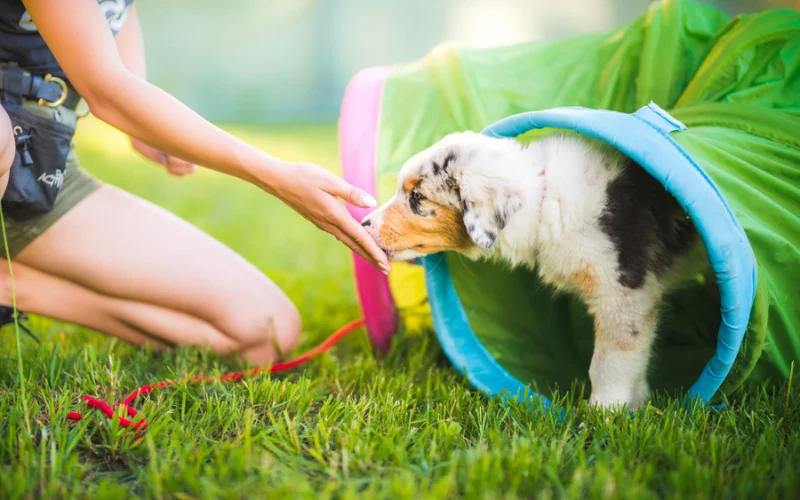
Socializing your puppy is essential to their development and will help them grow into well-adjusted and confident adult dogs. Exposing them to various people, animals, and environments ensures your puppy becomes comfortable and adaptable. Here are some tips to help you with puppy socialization:
1. Start early: The critical period for socialization is between 3 and 14 weeks of age. During this time, your puppy is most receptive to new experiences. Introduce them to different sights, sounds, and smells to build their confidence.
2. Positive experiences: Make sure all interactions are positive and rewarding for your puppy. Use treats, praise, and play to reinforce good behavior. This will help them associate new experiences with positive outcomes.
3. Puppy classes: Enroll your puppy in a puppy socialization class. These classes provide a controlled environment where they can interact with other puppies and learn valuable social skills. It’s also an excellent opportunity for you to learn from experienced trainers.
4. Expose them to different people: Introduce your puppy to people of all ages, sizes, and ethnicities. Please encourage them to interact with strangers calmly and positively. This will help them become comfortable around new people and reduce the risk of fear or aggression later in life.
5. Meet other animals: Expose your puppy to other friendly and vaccinated dogs, cats, and other animals. This will help them learn appropriate social behavior and reduce the risk of fear or aggression towards other animals.
Remember, socialization is an ongoing process. Continue to expose your puppy to new experiences throughout their life to ensure they remain confident and well-adjusted. Following these tips can help your puppy become a happy and friendly companion for years.
Introducing New Environments
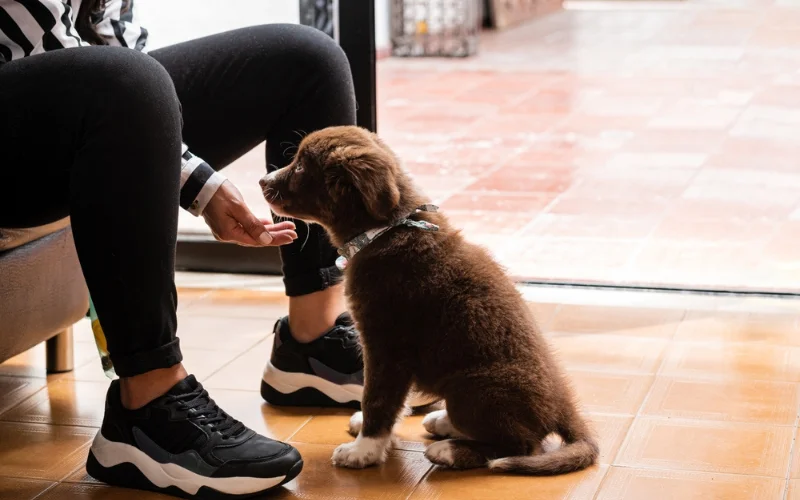
Puppy socialization is a crucial aspect of their development, and one important part of this is introducing them to new environments. By gradually exposing your puppy to different places, you can help them become well-adjusted and confident in various situations. Here are some tips to help you with this process.
Firstly, it’s important to start small. Begin by introducing your puppy to new environments in a controlled and safe manner. This could be as simple as taking them to a different room in your house or introducing them to new sounds and smells. Gradually increase the complexity of the environment as your puppy becomes more comfortable.
When introducing your puppy to new environments, providing positive reinforcement is essential. Reward them with treats, praise, and affection when they show calm and confident behavior. This will help them associate new environments with positive experiences and build confidence.
Another important tip is to expose your puppy to different types of surfaces. This could include grass, gravel, sand, or even other types of flooring. By doing so, you are helping them develop a strong foundation and adaptability to different surfaces they may encounter in the future.
Additionally, it’s crucial to introduce your puppy to different people and animals. This will help them learn how to interact appropriately and confidently with others. Gradually expose them to different individuals, including children, adults, and other pets, ensuring that each interaction is positive and supervised.
In conclusion, introducing new environments to your puppy is essential to their socialization process. By following these tips and gradually exposing them to different places, surfaces, people, and animals, you can help them become well-adjusted and confident in various situations. Remember to provide positive reinforcement and take things at your puppy’s pace.
Positive Reinforcement Training
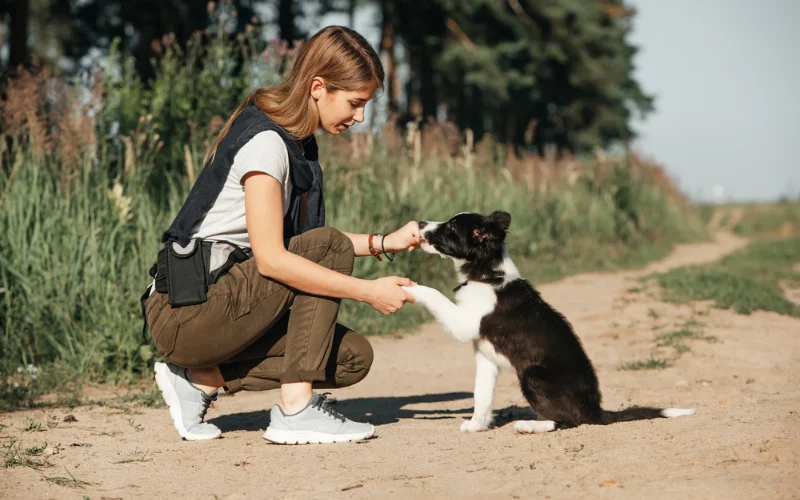
Puppy socialization is an essential aspect of raising a well-behaved and happy dog. Positive reinforcement training is one of the most effective methods of socializing a puppy. This training technique focuses on rewarding desired behaviors rather than punishing unwanted behaviors. By using positive reinforcement, you can encourage your puppy to learn and grow positively and enjoyably.
When it comes to positive reinforcement training, consistency is key. Set expectations for your puppy and reward them whenever they exhibit the desired behavior. This could be anything from sitting on command to walking calmly on a leash. Your puppy will quickly learn what is expected of them by consistently rewarding these behaviors.
Another important aspect of positive reinforcement training is timing. Rewarding your puppy immediately after it performs the desired behavior is crucial. This helps them make the connection between the behavior and the reward. If you wait too long to reward, your puppy may not understand what they did to earn it.
In addition to treats, praise and affection are powerful rewards for puppies. Verbal praise, such as saying “good boy” or “good girl,” can reinforce positive behaviors. Physical love, such as petting or belly rubs, can also be rewarded. Remember to use a happy and enthusiastic tone when praising your puppy, reinforcing their good behavior.
It’s important to note that positive reinforcement training should never involve punishment or harsh corrections. This can create fear and anxiety in your puppy, hindering their socialization progress. Instead, focus on rewarding the behaviors you want to see more of and redirecting unwanted behaviors.
In conclusion, positive reinforcement training is highly effective for socializing your puppy. You can encourage your puppy to learn and grow positively and enjoyably by using rewards and praise. Remember to be consistent, use proper timing, and avoid punishment. Your puppy will become a well-socialized and well-behaved companion with patience and dedication.
Socializing with Other Dogs
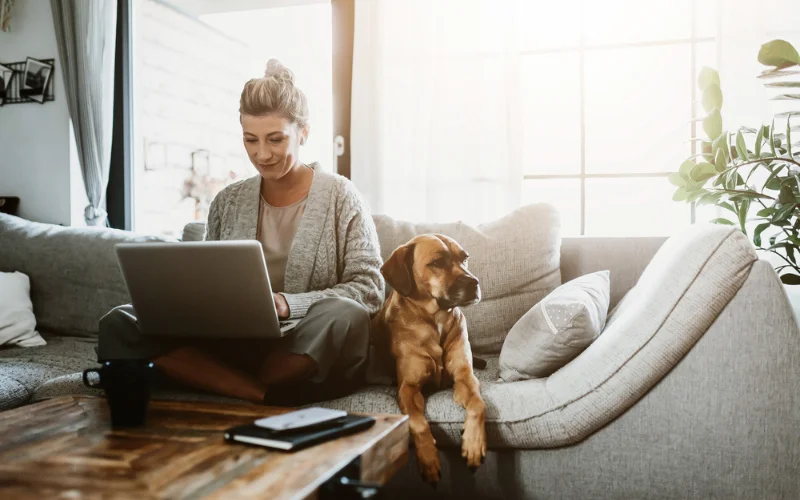
Socializing your puppy with other dogs is an essential part of their development. It helps them learn how to communicate, play, and build positive relationships with their canine counterparts. Here are some tips to ensure successful and beneficial socialization experiences for your furry friend.
Firstly, start socializing your puppy at an early age. The critical period for socialization is between 3 and 14 weeks, so it’s important to expose them to other dogs during this time. This will help them become comfortable and confident around other dogs as they grow older.
When introducing your puppy to other dogs, choose calm and friendly dogs with a good temperament. Avoid overwhelming situations or dogs that display aggressive behavior, as this can create negative associations for your puppy. Gradually increase the complexity of the interactions as your puppy becomes more comfortable.
Supervised playdates with other puppies or well-socialized adult dogs can benefit your puppy’s socialization. These interactions allow them to learn appropriate play behaviors, body language, and boundaries. It’s important to monitor these play sessions to ensure all dogs have a positive experience and intervene if necessary.
Expose your puppy to different environments and situations. Take them to dog parks, pet-friendly stores, or training classes where they can encounter new dogs and people. This exposure will help them become well-rounded and adaptable in various social settings.
Positive reinforcement is crucial during socialization. Reward your puppy with treats, praise, and play for calm and appropriate behavior around other dogs. This reinforces positive associations and encourages them to behave well during social interactions.
In conclusion, socializing your puppy with other dogs is vital for their development. Following these tips and providing positive experiences can help your puppy become a well-adjusted and friendly canine companion. Remember always to prioritize their safety and comfort during socialization experiences.
Handling and Grooming Exercises
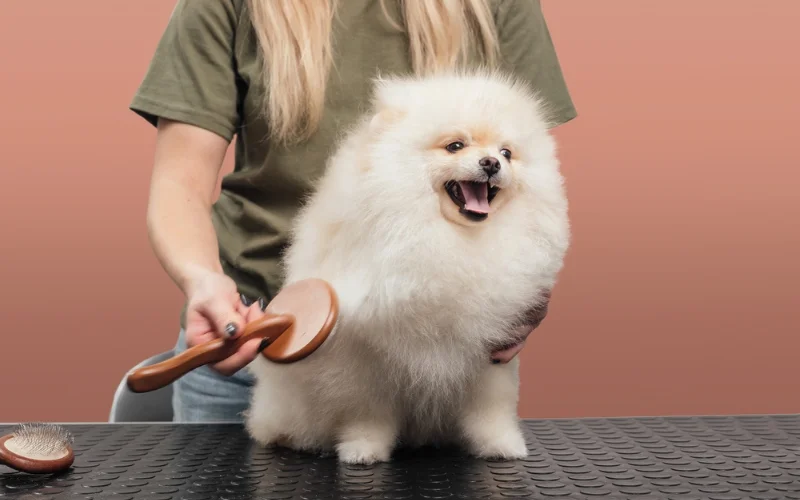
Socializing your puppy is an essential part of their development, and one aspect that should not be overlooked is handling and grooming exercises. These exercises help your puppy become comfortable with being touched and held and ensure they are well-groomed and healthy. This article will explore some tips and techniques for effective handling and grooming exercises.
One important aspect of handling exercises is getting your puppy used to being touched all over their body. Start gently stroking their back, then gradually move to their legs, paws, and tail. Use positive reinforcement, such as treats or praise, to reward your puppy for staying calm and relaxed. This will help them associate being touched with positive experiences.
Introducing your puppy to different grooming tools, such as brushes, combs, and nail clippers, is crucial. Start by letting them sniff and investigate the mechanisms, then gradually introduce them to the sensation of being brushed or having their nails trimmed. Again, use positive reinforcement to reward your puppy for cooperating and staying calm.
Regular grooming sessions also provide an opportunity to check your puppy’s overall health. Take the time to inspect their ears, teeth, and coat for any signs of infection or abnormalities. If you notice anything unusual, consult your veterinarian for further guidance.
Incorporating handling and grooming exercises into your puppy’s routine from an early age will help them become well-adjusted and comfortable with being handled throughout their lives. Remember to be patient and take things at your puppy’s pace, as each dog is unique and may require different levels of exposure and training.
Following these handling and grooming exercises will ensure that your puppy is well-socialized and maintains their overall health and well-being. So, start incorporating these exercises into your puppy’s routine today and watch them grow into a confident and happy adult dog.
Exposure to Different Sounds and Stimuli
Puppy socialization is a crucial aspect of their development and overall well-being. One important element of socialization is exposing your puppy to different sounds and stimuli. This helps them become more confident and adaptable in various situations. Here are some tips to help you with this aspect of puppy socialization.
Firstly, it’s important to introduce your puppy to different sounds gradually. Start with softer and more familiar sounds, such as household noises like the vacuum cleaner or the television sound. As they become comfortable with these sounds, you can gradually expose them to louder or more unfamiliar sounds, like car horns or fireworks. This gradual approach will prevent overwhelming your puppy and ensure a positive experience.
In addition to sounds, exposing your puppy to different stimuli is important. This includes various textures, surfaces, and objects. Take your puppy for walks on different types of terrain, such as grass, gravel, or sand. Allow them to explore other things, like toys of different shapes and sizes. This exposure will help them develop confidence and adaptability in various environments.
During these exposures, it’s essential to observe your puppy’s reactions. If they show signs of fear or anxiety, it’s important to provide reassurance and support. Never force your puppy to confront something that scares them, which can hurt their socialization process.
Remember always to create positive associations with new sounds and stimuli. Use treats, praise, and rewards to reinforce positive behaviors and help your puppy feel more comfortable. This will make the socialization process more enjoyable for you and your puppy.
In conclusion, exposing your puppy to different sounds and stimuli is an important part of their socialization process. By gradually introducing them to new experiences and providing positive reinforcement, you can help your puppy become more confident and adaptable in various situations.
Teaching Basic Commands and Manners
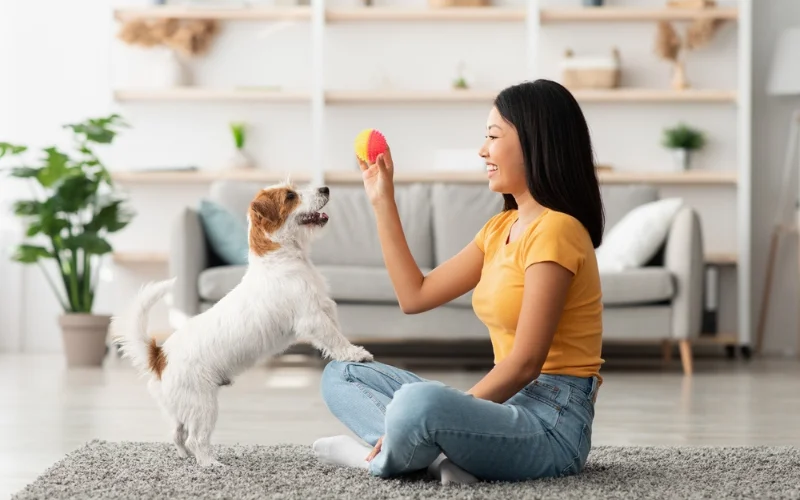
Teaching your puppy basic commands and manners is essential to their socialization process. By instilling these skills early on, you are setting the foundation for a well-behaved and obedient dog. In this article, we will explore some effective strategies to help you teach your puppy basic commands and manners.
One of the first commands you should teach your puppy is “sit.” This command is relatively easy to prepare and can be used in various situations. Hold a treat close to your puppy’s nose and slowly move it upwards. As their head follows the treat, their bottom will naturally lower into a sitting position. Once they are sitting, reward them with joy and praise. Repeat this process multiple times until your puppy understands the command.
Another important command is “stay.” This command is particularly useful when you want your puppy to remain in one place. Begin by saying “stay” while holding your hand up in a stop gesture. Take a step back and wait for a few seconds. If your puppy stays in place, reward them with a treat and praise. Gradually increase the duration of the stay and practice in different environments to reinforce the command.
“Come” is another crucial command for your puppy to learn. It is essential for their safety and allows you to have control in various situations. Start by getting down to your puppy’s level and using an enthusiastic tone. Call their name followed by the command “come.” When your puppy comes to you, reward them with a treat and praise. Practice this command in a secure, distraction-free environment before gradually introducing more distractions.
In addition to commands, teaching your puppy basic manners is equally important. Encourage them to greet people politely by not jumping up and to walk calmly on a leash. Use positive reinforcement techniques such as treats, praise, and rewards to encourage good behavior.
By teaching your puppy basic commands and manners, you are helping them become well-adjusted and obedient dogs. Remember to be patient consistent, and use positive reinforcement to achieve the best results. Your puppy will learn these skills with time and practice and become a well-rounded canine companion.
Gradual Desensitization to Common Fears and Phobias
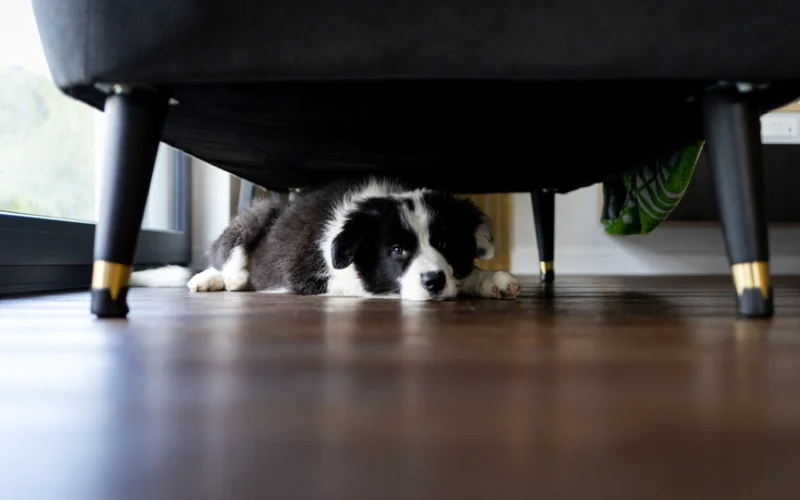
Puppy socialization is crucial to their development, helping them grow into well-adjusted and confident adult dogs. One important part of socialization is gradually desensitizing puppies to common fears and phobias they may encounter throughout their lives. Exposing them to these fears in a controlled and positive manner can help them build resilience and overcome their anxieties.
One common fear that puppies may have is loud noises, such as thunderstorms or fireworks. To desensitize them to these sounds, start by playing recordings of these noises at a low volume while engaging in a fun and positive activity, like playing with their favorite toy or giving them treats. Gradually increase the volume over time, ensuring they remain calm and relaxed. This gradual exposure will help them associate these loud noises with positive experiences, reducing their fear response.
Another common fear for puppies is meeting new people or encountering unfamiliar animals. To desensitize them to these situations, start by introducing them to one new person or animal in a controlled environment. Allow them to approach at their own pace, rewarding them with treats and praise for calm behavior. As they become more comfortable, they gradually increase the number of people or animals they interact with, ensuring positive experiences.
Desensitization to other common fears, such as car rides or being alone, can also be achieved through gradual exposure. Start by taking short car rides or leaving them alone for short periods, gradually increasing the duration over time. Pair these experiences with positive rewards, such as treats or playtime, to create positive associations.
Remember, the key to successful desensitization is always going at your puppy’s pace and providing positive reinforcement. You can help your puppy overcome their fears and phobias with patience and consistency, setting them up for a happy and well-adjusted life.
We started by emphasizing the importance of introducing new environments to your puppy. By gradually exposing them to different places, you can help them become comfortable and adaptable in various situations. Additionally, positive reinforcement training is highly effective in encouraging good behavior and building a strong bond with your puppy.
Socializing with other dogs is another essential aspect of puppy socialization. By arranging playdates and supervised interactions, you can help your puppy develop proper social skills and learn appropriate behavior with their canine counterparts.
Handling and grooming exercises are also crucial for your puppy’s overall well-being. By gently touching their paws, ears, and mouth, you can help them become accustomed to being handled, making vet visits and grooming sessions much easier.
Exposure to different sounds and stimuli is important to prevent fear and anxiety in your puppy. By gradually introducing them to various noises, such as thunderstorms or fireworks, you can help them become more resilient and less fearful in the face of unexpected sounds.
Teaching basic commands and manners is an essential part of puppy socialization. By establishing clear boundaries and training your puppy in basic obedience, you can ensure they grow up well-behaved and respectful members of society.
Lastly, gradual desensitization to common fears and phobias is crucial for your puppy’s emotional well-being. By slowly exposing them to things they may find scary, such as vacuum cleaners or car rides, you can help them overcome their fears and build confidence.
Looking ahead, the field of puppy socialization is constantly evolving. New training techniques and methods are being developed, and staying informed about these advancements is important. Additionally, as society becomes more aware of the importance of puppy socialization, we can expect to see an increased emphasis on early socialization in the future.
Conclusion
In conclusion, puppy socialization is crucial to raising a well-rounded and confident dog. Throughout this post, we have discussed various puppy socialization tips that can help you ensure your furry friend grows up to be a happy and well-adjusted companion.