

Dog Training Techniques: Secrets to a Well-Behaved Pooch
Are you tired of your furry friend’s unruly behavior? Do you dream of having a well-behaved and obedient dog? If so, you’ve come to the right place. Welcome to a comprehensive guide on dog training techniques that will transform your pup into the well-mannered companion you’ve always wanted.
Dogs have been our faithful companions for centuries, but their behavior can sometimes leave us scratching our heads. From incessant barking to chewing on furniture, it’s easy to become frustrated with our furry friends. However, with the right training techniques, you can teach your dog to behave in a way that is both enjoyable for you and fulfilling for them.
In this article, we will delve into dog training techniques, exploring various methods and approaches that have proven effective. Some plans can be tailored to suit your specific needs and goals, whether you have a new puppy or an older dog.
From positive reinforcement to clicker training, we will explore the different approaches to dog training and discuss their benefits and drawbacks. We will also delve into consistency, patience, and understanding when training your furry friend.
But our exploration doesn’t stop there. We will also touch on crates, leashes, and advanced obedience training. We will provide practical tips and advice to help you implement these techniques effectively with each topic.
So, if you’re ready to embark on a journey towards a well-behaved and happy dog, join us as we dive into dog training techniques. Get ready to unlock the secrets to a harmonious relationship with your four-legged friend. Let’s get started!
What Are the Best Dog Training Techniques?
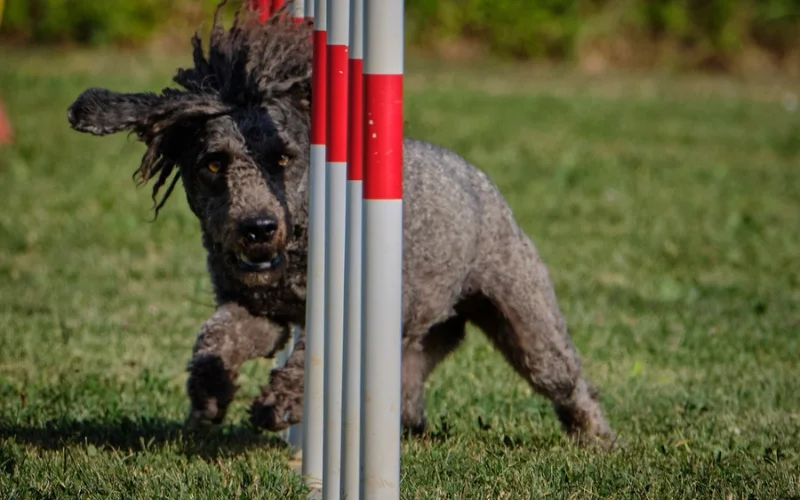
Dog training is an essential part of owning a canine companion. Whether you have a new puppy or an older dog, teaching them basic commands and proper behavior is crucial for a harmonious relationship. But with so many different dog training techniques, it can be overwhelming to determine which ones are the best. This article will explore some of the most effective and popular dog training techniques.
Positive reinforcement is a widely recognized and successful method of training dogs. This technique involves rewarding your dog for good behavior, such as sitting or staying, with treats, praise, or play. By associating positive experiences with desired actions, dogs are motivated to repeat these behaviors.
Another effective technique is clicker training. This method uses a small handheld device that makes a clicking sound when pressed. A reward immediately follows the click, creating a clear communication link between the desired behavior and the reward. Dogs quickly learn to associate the click with positive reinforcement.
On the other hand, some trainers prefer using aversive techniques, such as dominance training or punishment-based methods. These techniques establish the owner as the pack leader and use corrective measures to discourage unwanted behavior. However, it is important to note that these methods can be controversial and may not be suitable for all dogs.
In recent years, science-based training methods have gained popularity. These techniques rely on understanding the dog’s behavior and using positive reinforcement to encourage desired actions. Science-based training methods promote long-lasting behavioral changes by focusing on building a strong bond and trust between the owner and the dog.
In conclusion, there are various dog training techniques available. Still, the best ones prioritize positive reinforcement and focus on building a strong bond between the owner and the dog. Choosing a method that suits your dog’s needs and temperament is important. Patience, consistency, and positive reinforcement are key to successful dog training.
How Do I Teach My Dog Basic Commands?
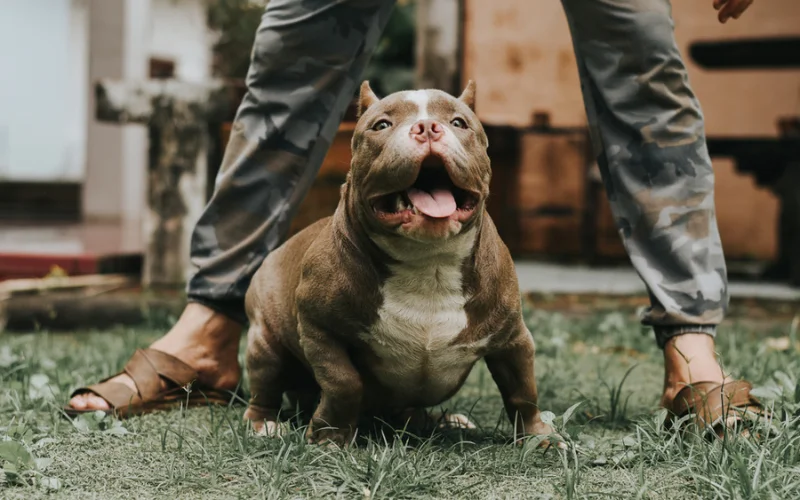
Teaching your dog basic commands is an essential part of their training, and it can be a fun and rewarding experience for you and your furry friend. Whether you have a new or older puppy, these techniques will help you establish a strong foundation for obedience.
Start with the basics: Sit, Stay, and Come. These fundamental commands will form the building blocks for more advanced training. To teach your dog to sit, hold a treat close to its nose and slowly move it upwards. As their head follows the treat, their bottom will naturally lower into a sitting position. Once they are sitting, reward them with joy and praise. Repeat this process until they can sit on command without the charm.
To teach your dog to stay, have them sit and hold your hand up, palm facing them, and say, “Stay.” Please step back and wait a few seconds before returning to them and rewarding them with praise. Gradually increase the distance and duration of the stay as they become more comfortable.
The “come” command is crucial for your dog’s safety. Start by kneeling and calling their name, followed by “come.” Please encourage them to come to you with a happy and inviting tone. When they come to you, reward them with praise and a treat. Practice this command in different environments to ensure they understand it in various situations.
Consistency is key when training your dog. Use the same commands and hand signals every time, and be patient with them. Keep training sessions short and positive, and always end on a high note. Remember, positive reinforcement is the most effective training technique, so reward your dog for success.
Following these simple techniques, you can teach your dog basic commands and establish a strong bond based on trust and obedience. Training takes time and effort, but the rewards are well worth it. So get started today and enjoy the benefits of a well-trained dog.
How Can I Stop My Dog from Barking?
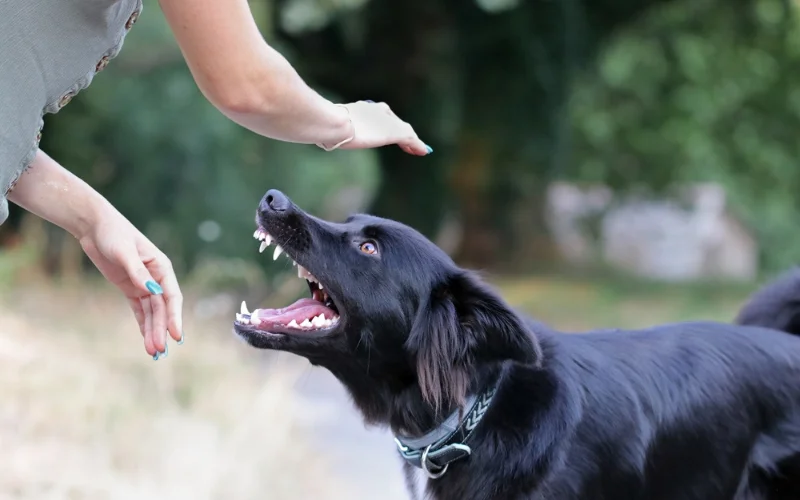
Barking is a natural behavior for dogs, but excessive barking can be a nuisance for you and your neighbors. If you’re wondering how to stop your dog from barking, you can try several effective techniques.
One method is to teach your dog the “quiet” command. Start by saying “quiet” in a calm, firm voice when your dog starts barking. Once they stop barking, reward them with a treat and praise. Repeat this process until your dog learns to associate the command with being quiet.
Another technique is to identify the triggers that cause your dog to bark. Is it the doorbell, other dogs, or strangers passing by? Once you know the triggers, you can work on desensitizing your dog to them. For example, if your dog barks at the doorbell, you can repeatedly ring the bell until your dog becomes accustomed to the sound and no longer needs to bark.
Consistency is key when training your dog to stop barking. Ensure everyone in your household is on board and follows the same training techniques. It’s also important to be patient and understanding, as it may take time for your dog to learn new behaviors.
In addition to training, providing mental and physical stimulation for your dog can help reduce excessive barking. Ensure your dog gets plenty of exercise and playtime to keep them happy and tired. Puzzle toys and interactive games can also help keep their minds occupied.
Remember, every dog is different, so finding the best techniques for your furry friend may take trial and error. You can successfully stop your dog from barking excessively with consistency, patience, and positive reinforcement.
What Is the Most Effective Way to House Train a Dog?

House training a dog can be challenging, but with the right techniques and consistency, it can be achieved successfully. You can use several methods to house-train your dog, but which is the most effective? This article will explore some of the most popular and successful techniques for house-training dogs.
One of the most effective ways to house a dog is crate training. This method involves using a crate or a small enclosed space as your dog’s designated “den.” Dogs are naturally den animals and prefer to keep their sleeping area clean. By confining your dog to a crate when you cannot supervise them, you teach them to hold their bladder and bowels until they are taken outside.
Another effective technique is the use of positive reinforcement. This involves rewarding your dog for eliminating in the appropriate spot, such as a designated outdoor area. You can use treats, praise, or a combination of both to reinforce the desired behavior. It’s important to be consistent with your rewards and to give them immediately after your dog eliminates them.
Consistency and a regular schedule are key when house training a dog. Take your dog outside regularly throughout the day, especially after meals, playtime, and naps. By establishing a routine, your dog will learn when and where they are expected to eliminate.
In conclusion, there are several effective techniques for house training a dog. Crate training, positive reinforcement, and consistency are all important factors in successfully house-preparing your furry friend. Using these methods and being patient and consistent, you can teach your dog to become fully house-trained.
How Do I Stop My Dog from Jumping on People?
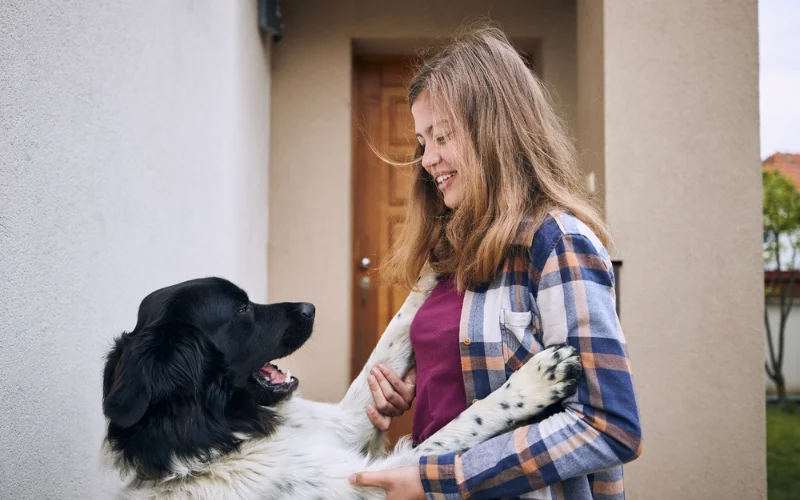
Dogs are known for their playful and energetic nature, but when it comes to jumping on people, it can quickly become a nuisance. Whether it’s a friendly greeting or an attempt to assert dominance, this behavior can be frustrating for the dog owner and the person being jumped on. Fortunately, there are effective techniques you can use to stop your dog from jumping on people.
One of the first steps in addressing this behavior is teaching your dog the “off” command. Start by holding a treat and showing it to your dog. As soon as your dog jumps up, firmly say “off” and withhold the joy. Repeat this process until your dog understands that jumping will not result in a reward. Consistency is key, so practice this command in various situations and with different people.
Another technique is to teach your dog an alternative behavior. For example, you can train your dog to sit or lie down when someone approaches. This not only redirects their attention but also reinforces positive behavior. Use treats and praise to reward your dog for obeying the command, and gradually phase out the treats as they become more reliable.
It’s also important to address the underlying cause of the jumping behavior. Dogs may jump on people to seek attention or because they are anxious or excited. Providing them with regular exercise, mental stimulation, and socialization can help reduce their need to seek attention through jumping.
In conclusion, stopping your dog from jumping on people requires patience, consistency, and positive reinforcement. By teaching them the “off” command, redirecting their attention, and addressing any underlying causes, you can effectively curb this behavior and ensure a more pleasant interaction between your dog and others.
What Are Some Tips for Leash Training a Dog?
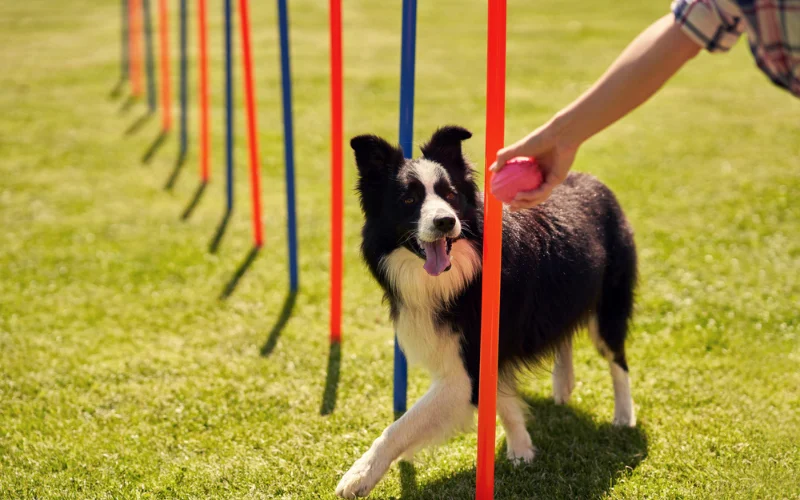
Leash training is an essential skill for every dog owner. It allows you to take your furry friend for walks and adventures while ensuring their safety and control. If you’re wondering how to leash train your dog effectively, here are some tips to help you.
Firstly, choose the right leash and collar or harness for your dog. A standard leash of about six feet in length is usually suitable for most dogs. Ensure the collar or harness fits properly and is comfortable for your dog.
Start by introducing your dog to the leash positively and gradually. Let them sniff and explore the leash before attaching it to their collar or harness. Reward them with treats and praise for their calm behavior.
Next, teach your dog to walk on a loose leash. Hold the leash loosely and encourage your dog to walk beside you. If they start to pull, stop walking and wait until they relax and the leash becomes loose again. Reward them for walking calmly by your side.
Consistency is key in leash training. Practice short sessions regularly, and be patient with your dog. Gradually increase the duration and distance of your walks as your dog becomes more comfortable and obedient on the leash.
Use positive reinforcement techniques such as treats, praise, and toys to reward your dog for good behavior. Avoid punishment or harsh corrections, as this can create fear and anxiety in your dog.
Remember to stay calm and confident during leash training. Dogs can sense your emotions, so remaining composed and assertive is important. With time and practice, your dog will become a well-behaved walker on a leash.
In conclusion, leash training is an essential skill for every dog owner. Following these tips and techniques ensures a pleasant walking experience with your furry companion. Happy training!
How Can I Teach My Dog to Come When Called?
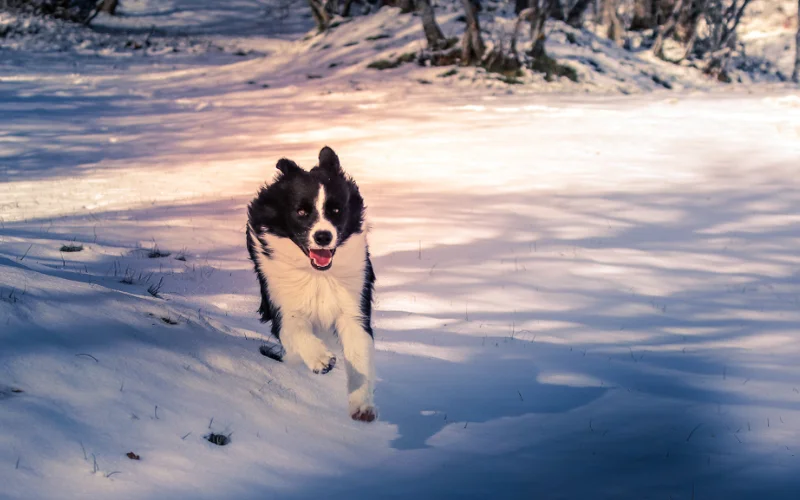
Teaching your dog to come when called is an essential command that every dog owner should master. Whether you want your dog to return to you during a walk or inside the house when called, having a reliable recall command is crucial for their safety and peace of mind. This article will explore some effective techniques to teach your dog to come when called.
Positive reinforcement is one of the most effective ways to teach your dog to come when called. Start using a long leash in a controlled environment like a backyard or quiet park. Call your dog’s name followed by the command “come” in a cheerful and enthusiastic tone. When your dog starts to approach you, reward them with praise, treats, or a favorite toy. Repeat this exercise several times, gradually increasing the distance between you and your dog.
Another technique is to use a whistle or a clicker to associate the sound with the command “come.” Start by making the sound and immediately rewarding your dog when they come to you. With consistent practice, your dog will start associating the sound with the desired behavior.
Consistency is key when training your dog to come when called. Always use the same command and reward system, and never punish your dog for not coming immediately. Remember, positive reinforcement is the most effective way to train your dog.
In conclusion, teaching your dog to come when called is an important command to ensure their safety and peace of mind. You can successfully train your dog to come when called by positive reinforcement techniques and consistent practice. So, start training today and enjoy the benefits of a well-trained and obedient canine companion.
What Are Some Strategies for Training a Reactive Dog?

Reactive dogs can be challenging to train, but with the right strategies, it is possible to help them overcome their reactive behavior. Whether your dog barks, lunges, or growls at other dogs, people, or objects, there are several techniques you can employ to address this issue.
One effective strategy is desensitization and counterconditioning. This involves gradually exposing your dog to the trigger that causes their reactive behavior while providing positive reinforcement. For example, if your dog barks at other dogs, you can start by keeping a safe distance and rewarding them with treats or praise for calm behavior. Gradually decrease the space over time, always rewarding them for staying calm.
Another technique is to use redirection. When you notice your dog becoming reactive, redirect their attention to something positive, such as a toy or a treat. This helps to shift their focus away from the trigger and promotes a more positive response.
Training your dog to focus on you can also be beneficial. Teaching them a strong “watch me” command can help redirect their attention and prevent reactive behavior. Practice this command in various environments and gradually increase distractions to reinforce their focus on you.
Consistency is key when training a reactive dog. Establish clear rules and boundaries and stick to them. Avoid reinforcing reactive behavior by not rewarding or comforting your dog when it displays it. Instead, reward calm and non-reactive behavior consistently.
Remember, training a reactive dog takes time and patience. It is important to seek professional help if you are struggling or your dog’s reactive behavior is severe. You can help your reactive dog become calmer and well-behaved with the right strategies and consistent training.
Understanding the best dog training techniques is crucial for any dog owner, as it allows for effective communication and a harmonious relationship with our furry friends. By implementing positive reinforcement methods, such as rewards and praise, we can motivate our dogs to learn and respond to commands.
Teaching basic commands is an essential foundation for any dog’s training. We can ensure our dogs understand and obey our instructions by breaking down orders into simple steps and consistently practicing them.
Barking can be a common issue among dogs, but we can teach them to control their vocalizations with patience and consistent training. Using techniques such as distraction, desensitization, and leading the “quiet” command, we can help our dogs become more peaceful and well-behaved.
House training is another crucial aspect of dog training. By establishing a routine, providing positive reinforcement for desired behavior, and being patient, we can teach our dogs to relieve themselves in appropriate areas.
Preventing jumping on people requires consistent training and setting boundaries. By teaching our dogs alternative greetings, such as sitting or offering a paw, we can redirect their behavior and prevent them from jumping on guests.
Leash training is essential for both the safety of our dogs and others. By using positive reinforcement and gradually introducing the leash, we can teach our dogs to walk calmly by our side.
Recall training ensures our dogs return to us when called, even in distracting environments. We can strengthen our dog’s recall response by using high-value rewards and gradually increasing distractions.
Lastly, training reactive dogs requires patience, understanding, and professional guidance. By using counterconditioning techniques and gradually exposing them to triggers, we can help them overcome their reactive behavior.
As dog training techniques continue to evolve, we may see new developments and trends emerge. We must stay informed and adapt our training methods to provide our furry companions with the best care.
Conclusion
In conclusion, dog training techniques are vast and varied, offering numerous approaches to address behavioral issues and teach essential commands. Throughout this post, we have explored various topics, including the best dog training techniques, teaching basic commands, stopping barking, house training, preventing jumping on people, leash training, recall training, and strategies for training reactive dogs.